Tsinghua University Publishes in Top Journal! MatMeas/Partulab High-Temp Systems Empower Lead-Free Piezoelectric Breakthroughs
Company News
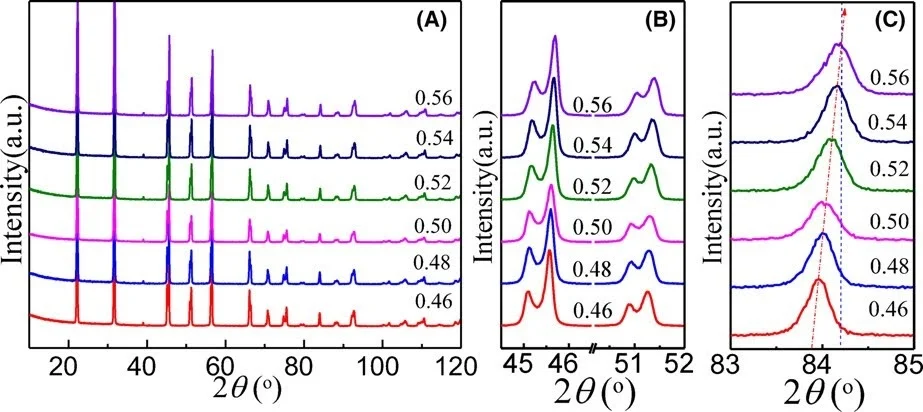
Recently, the prestigious Journal of the American Ceramic Society published a groundbreaking research paper from the State Key Laboratory of New Ceramics and Fine Processing at Tsinghua University.
📖 Literature Reference:
Title: Phase transition, microstructure and electrical properties of K1-xNaxNbO3-based ceramic sintered in reducing atmosphere
Journal: Journal of the American Ceramic Society
Research Team: Prof. Xiaohui Wang's Group, State Key Laboratory of New Ceramics and Fine Processing, School of Materials Science and Engineering, Tsinghua University
DOI Link: 10.1111/jace.16231
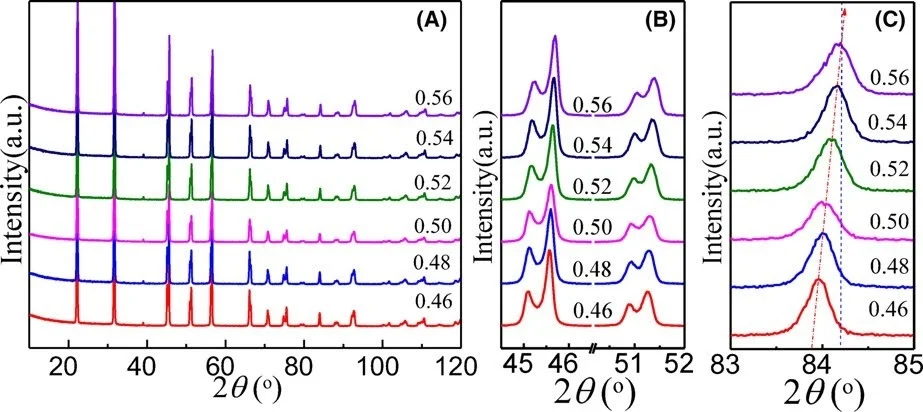
In the transition toward environmentally friendly functional materials, developing lead-free piezoelectric ceramics (such as KNN-based systems) is critical. Furthermore, to drastically reduce the manufacturing costs of multilayer piezoelectric actuators, industry is shifting toward using affordable Nickel (Ni) inner electrodes instead of expensive Silver-Palladium (Ag-Pd). However, utilizing Nickel requires the ceramics to be sintered in a reducing atmosphere, which typically generates oxygen vacancy defects that deteriorate piezoelectric performance and temperature stability. The Tsinghua University team successfully overcame this, engineering K1-xNaxNbO3-based lead-free ceramics sintered in a reducing atmosphere that exhibit outstanding piezoelectric properties (d33=326 pC/N).
🔬 Unveiling Microscopic Defects: The Partulab (MatMeas) HDMS-1000 Temperature Control System
Understanding the complex conduction mechanisms and oxygen vacancy concentrations inside ceramics sintered in reducing atmospheres is highly challenging. To accurately determine the activation energy differences between grains and grain boundaries, the researchers required ultra-precise impedance spectroscopy at extreme temperatures exceeding 300°C.
To acquire this mission-critical data, the Tsinghua University team relied on the HDMS-1000 Automated Temperature Controller by Partulab (MatMeas), seamlessly integrated with a precision capacitance meter:
Uncompromising High-Temperature Stability: The HDMS-1000 provided an exceptionally stable and precise thermal environment. Leveraging this system, the research team perfectly captured the dynamic evolution of the complex impedance spectra across a blistering high-temperature range of 633 K to 713 K (approx. 360°C to 440°C).
Decoding Conduction Mechanisms: Thanks to the equipment's outstanding low-frequency anti-interference capabilities and signal fidelity at high temperatures, the team successfully calculated the activation energies (Ea) of both the grains and grain boundaries. The robust data clearly demonstrated that the accumulation of oxygen vacancies at the grain boundaries was the core reason for the decreased high-temperature resistance. This insight is vital for optimizing material performance through defect engineering.
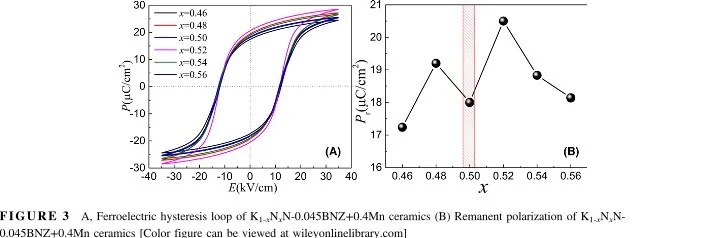
Figure 6 shows smooth impedance semicircle curves measured under the high temperature range of 633 K - 713 K. Data acquired using the Partulab (MatMeas) HDMS-1000 System.
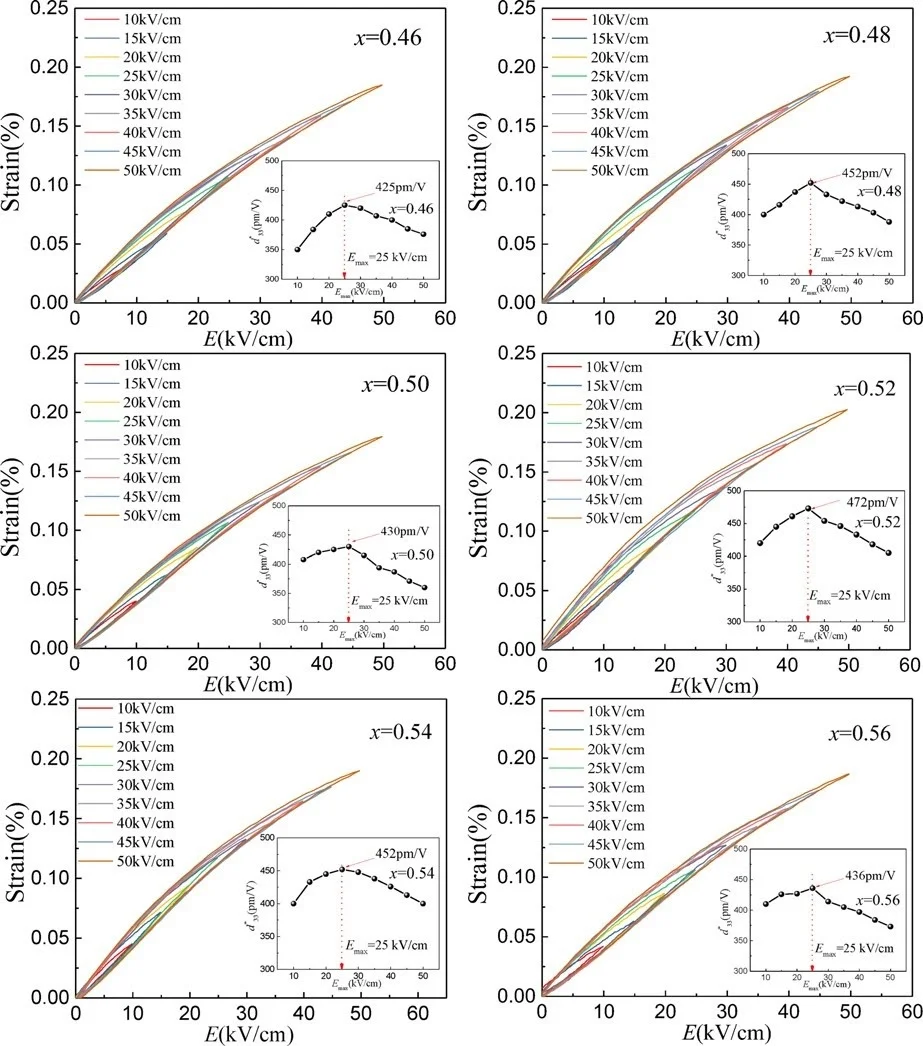
Figure 7 shows the activation energy (Ea) fitting results of both grains and grain boundaries. Data acquired using the Partulab (MatMeas) HDMS-1000 System.
The Choice of Top Institutions, The Benchmark for Extreme Testing
From the precise extraction of grain boundary activation energies to the flawless fitting of high-temperature impedance spectra, the remarkable achievements of the Tsinghua University team in this top-tier journal serve as a powerful testament to the excellence of MatMeas (Partulab) equipment in advanced materials characterization.
Whether it is the classic HDMS-1000 temperature control system or our next-generation DMS-1000 / HTS-1000 High-Temperature Dielectric Impedance Spectrometers, MatMeas remains relentlessly dedicated to providing global scientists with the most reliable and sophisticated electrical testing infrastructure available!
Discover more about our advanced high-temperature dielectric and impedance characterization solutions. Visit the MatMeas official website or contact our expert technical team today!
🏷️ Related Instruments:
📥 Literature PDF Download:
Request High-Precision Testing Solutions
Get expert guidance and customized instruments for your functional materials project.