Bailibo Piezoelectric Thin Film Polarization Technology: Analysis of the Principles and Characteristics of Four Core Methods
Technical News
Piezoelectric films are core functional materials in the fields of flexible electronics, intelligent sensing, energy harvesting and other fields. The activation and enhancement of their piezoelectric properties are highly dependent on polarization treatment. The essence of polarization is that under the synergistic effect of high temperature and high-voltage electric field, the chaotic electric dipoles or electric domains inside the film are forced to align in a specific direction, thereby causing the material to exhibit a macroscopic piezoelectric effect. At present, Bailibo Testing has formed four mature technology systems for the polarization needs of piezoelectric films: oil bath contact polarization, air contact polarization, positive corona polarization, and negative corona polarization. Different methods have significant differences in principles, applicable scenarios, and polarization effects.
Oil bath contact polarization is a traditional and widely used contact polarization method. This technology completely immerses the film sample in high-temperature resistant insulating silicone oil (such as methyl silicone oil), with the upper and lower surfaces in direct contact with metal electrodes, and polarization is completed under the combined action of heating and high-voltage electric fields (usually 100-300 MV/m). The insulating oil medium can effectively prevent high-voltage discharge and arc breakdown, ensure the safety of the polarization process and the uniformity of the electric field, while stably maintaining the polarization temperature of 100-140°C (close to the Curie temperature of polymer films such as PVDF). This method is fully polarized and highly stable, and is suitable for dense materials such as PVDF and PZT-based composite films. It can achieve a high piezoelectric constant (d33). However, it has limitations such that the sample is susceptible to silicone oil contamination, post-processing and cleaning is cumbersome, and it is not suitable for porous or oil-resistant films.
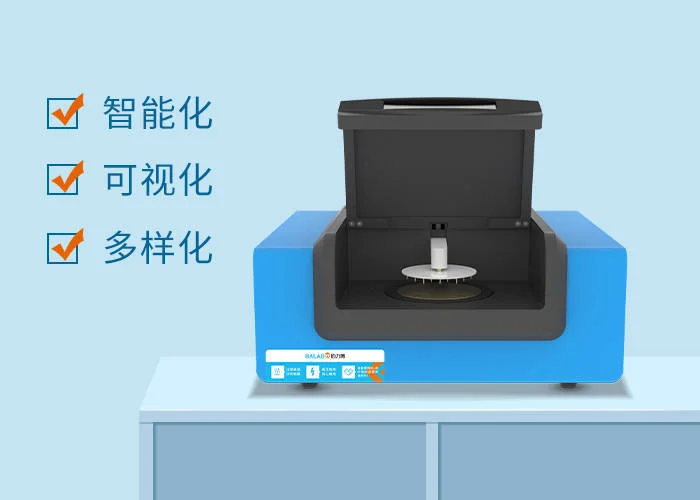
Air contact polarization is an improved contact technology of oil bath polarization. It eliminates the oil bath medium and directly applies contact high-voltage electric field and heating to the film in the air environment. By optimizing the electrode structure (such as gold-plated flat electrode) and using PID precise temperature control, the risk of air breakdown is reduced, and it is suitable for flexible film materials that are sensitive to insulating oil and easily contaminated. This method is simple to operate, pollution-free, has high sample processing efficiency, and the polarization temperature and electric field parameters are controllable. It is suitable for the development and small-batch preparation of thin and high-cleanliness piezoelectric films. However, compared with the oil bath environment, its high voltage tolerance limit is lower, and the voltage boost rate needs to be strictly controlled to avoid sample defects caused by partial discharge. It is more suitable for thin film materials with high breakdown strength and dense structure.
Corona polarization is a non-contact polarization technology, divided into two categories: positive corona and negative corona. The core principle is to use needle-shaped or linear high-voltage electrodes to generate a non-uniform strong electric field, which ionizes the air to form corona discharge, generates a large number of ions and bombards the film surface driven by the electric field, injects charges and stimulates the directional arrangement of internal dipoles. Positive corona polarization uses positive ions as the main carriers, has moderate ion energy, little damage to the film surface, and shallow charge injection depth. It is suitable for surface polarization, electret film preparation, and flexible polymer films such as PVDF and FEP. Negative corona polarization is dominated by electrons and negative ions, with deeper charge injection, more uniform distribution, and higher polarization efficiency. It can effectively improve the bulk piezoelectric properties of thin films, and is especially suitable for porous piezoelectric films, nanofiber membranes and other loose structural materials.
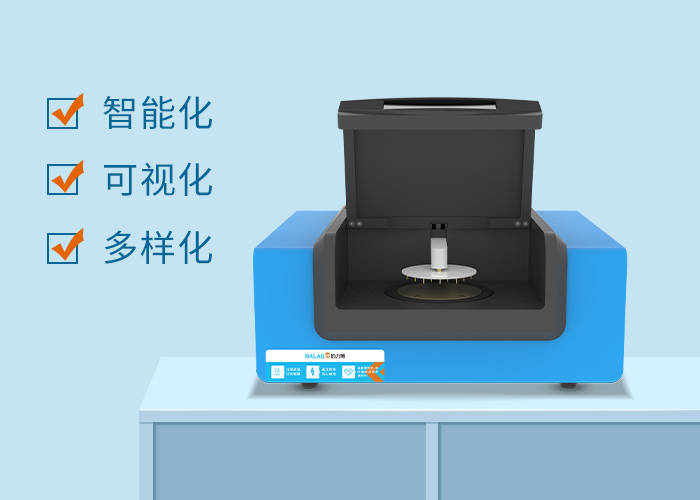
In summary, the four polarization methods each have their own technical focus: oil bath contact polarization is suitable for dense films with high stability and high degree of polarization; air contact polarization is pollution-free and high-efficiency for clean films; positive and negative corona polarization are non-contact and highly adaptable to cover flexible, porous, and large-area film scenarios. In practical applications, it is necessary to select the optimal polarization scheme based on the film material characteristics (such as material, density, temperature resistance), performance requirements (piezoelectric coefficient, uniformity) and scene requirements, or combine multiple methods to maximize performance, laying the foundation for the application of piezoelectric films in smart sensing, wearable electronics, micro-energy collection and other fields.
Request High-Precision Testing Solutions
Get expert guidance and customized instruments for your functional materials project.