Piezoelectric film dielectric performance test: temperature spectrum, frequency spectrum and key parameter characterization
Technical News
Piezoelectric film is a core functional material in the fields of intelligent sensing, precision driving, energy harvesting and other fields. Its dielectric properties directly determine the energy conversion efficiency, working stability and service life of the device. Dielectric constant, dielectric loss, dielectric temperature spectrum and dielectric/impedance-spectrum are core indicators to characterize the electrical properties of piezoelectric films. Accurate testing of these parameters is crucial for material development, process optimization and device application.
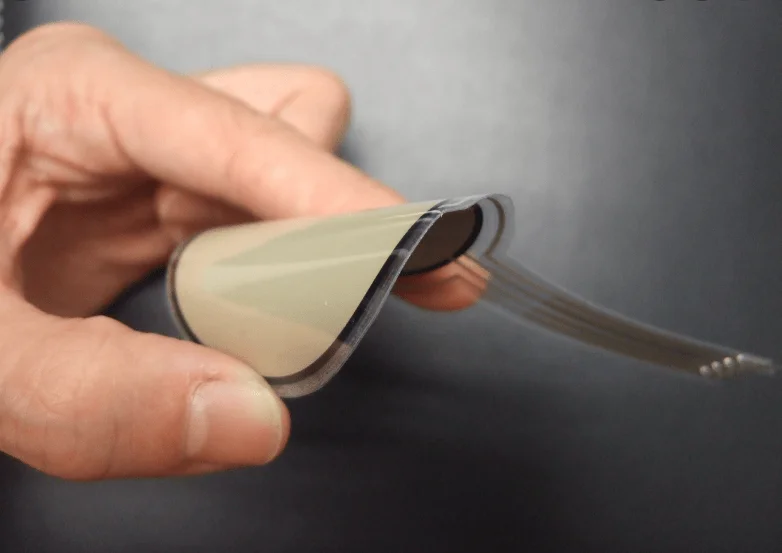
Dielectric constant (relative permittivity εᵣ) reflects the material's ability to store charges in an alternating electric field and is a basic parameter for evaluating the polarization ability of piezoelectric films. The test is based on the principle of parallel plate capacitance. The capacitance value of the film capacitor is measured at a specific frequency through an impedance analyzer or LCR meter, and is calculated by combining the film thickness and electrode area. Dielectric loss (tanδ) represents the degree of energy loss of a material under the action of an electric field. It is derived from internal polarization relaxation, defect conductivity and interface loss of the material. Excessive loss will cause device heating, reduced efficiency, and even thermal failure.
Dielectric/impedance-spectrum testing focuses on the frequency response characteristics of the dielectric properties of materials. It usually scans within a wide frequency band of 20Hz-1MHz to obtain the change curves of impedance, capacitance, dielectric constant and dielectric loss with frequency. The low frequency band (20Hz-1kHz) can reflect the material interface polarization and space charge polarization behavior; the mid-frequency band (1kHz-100kHz) corresponds to the dipole orientation relaxation process; the high-frequency band (above 100kHz) reflects intrinsic polarization characteristics such as lattice vibration. Through spectrum analysis, the intrinsic response of the material can be distinguished from the influence of non-intrinsic factors such as defects and impurities, providing a basis for material quality assessment.
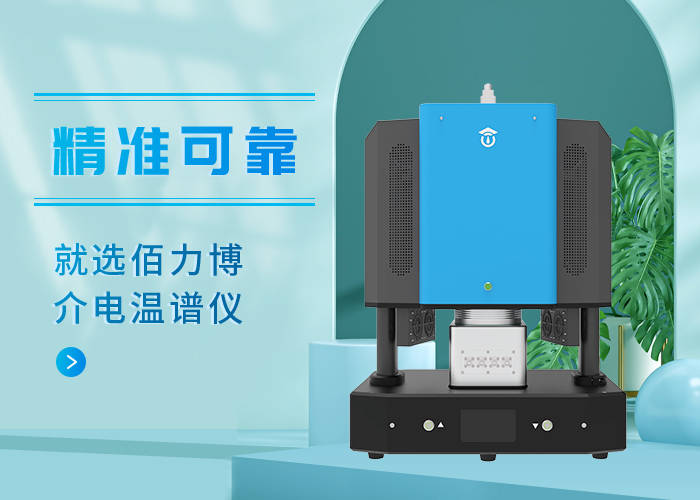
Bailibo Testing relies on professional laboratories and standardized testing systems to carry out full-dimensional testing of the dielectric properties of piezoelectric films. The test process strictly follows international standards such as IEC60483, uses a three-electrode system to eliminate edge effect errors, and is paired with a high-precision impedance analyzer and programmable temperature box to achieve simultaneous collection of multiple parameters. Before testing, the sample undergoes standardized pre-processing, including electrode preparation, accurate thickness measurement and surface cleaning to ensure test repeatability. During the test, a complete performance curve is obtained through simultaneous scanning of multiple frequency points and multiple temperature points. After the test, original data, curve maps and standardized reports are provided to provide reliable support for scientific research and industrial applications.
Testing the dielectric properties of piezoelectric films is a key link in connecting basic research and engineering applications of materials. Through the precise characterization of dielectric constant, dielectric loss, dielectric temperature spectrum and dielectric/impedance-spectrum, the polarization mechanism, defect state and thermal stability characteristics of materials can be systematically understood, helping researchers optimize material formulas and preparation processes, avoid device application risks, and promote the large-scale application of piezoelectric films in high-end equipment, electronic information, new energy and other fields.
Request High-Precision Testing Solutions
Get expert guidance and customized instruments for your functional materials project.