Bailibo Testing - Analysis of Ionic Conductivity Testing Technology for Glass Products
Technical News
Ionic conductivity is a core parameter that characterizes the ion transmission capability of glass materials. It is directly related to the electrical insulation performance, chemical stability and high-temperature service reliability of glass. It is widely used in the performance evaluation fields of special glass, electronic glass and solid electrolyte glass. Based on the technical accumulation of material electrical performance testing, Bailibo Testing carries out precise testing of ionic conductivity of glass products, providing objective data support for material research and development, quality control and application selection.
The ion-conducting nature of glass results from the directional migration of mobile ions within it. At normal temperature, ordinary glass has a dense network structure mainly composed of silica, a high ion migration barrier, extremely low conductivity, and good insulation. In a high-temperature environment, the glass network structure relaxes, and network modifications such as alkali metal ions (such as Na⁺, Li⁺) gain energy and overcome potential barriers to form directional movements, significantly increasing the conductivity of the glass. Its conductive mechanism follows Arrhenius' law, and the conductivity has an exponential relationship with temperature. The higher the temperature, the more intense the thermal movement of ions, and the greater the conductivity.
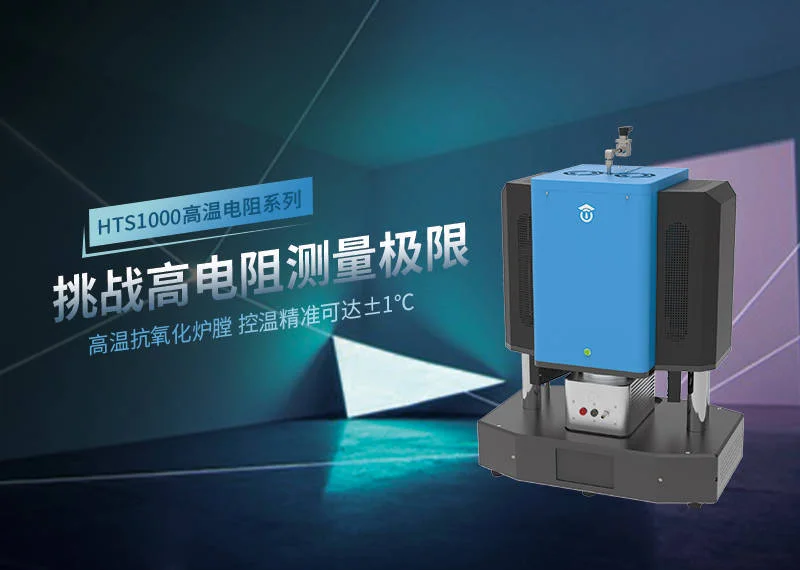
The current mainstream testing method for glass ion conductivity isAC impedance spectroscopy. This method can avoid electrode polarization interference in DC testing and adapt to the testing characteristics of glass with wide temperature range and low conductivity. During the test, the glass sample is processed into a regular sheet shape, a uniform platinum electrode is prepared on the surface to reduce the contact resistance, and placed in a temperature-controlled test chamber. The device applies a small-amplitude AC signal with adjustable frequency, collects impedance data at different frequencies, and draws an impedance spectrum curve. Through equivalent circuit fitting analysis, the sample body resistance is extracted, and the ion conductivity is calculated according to the formula σ=L/(R·S) based on the sample thickness and electrode area (σ is the conductivity, L is the sample thickness, R is the body resistance, and S is the electrode area).
Key influencing factors need to be strictly controlled during the testing process to ensure data accuracy. Temperature is a core variable and needs to be set as required and kept warm. Temperature fluctuations will directly lead to deviations in conductivity data. The composition of glass has a significant impact on the conductivity. The higher the alkali metal oxide content, the larger the network structure gap, the easier it is for ion migration, and the higher the conductivity; divalent metal oxides will inhibit ion migration and reduce conductivity. In addition, the surface flatness of the sample, the quality of electrode attachment and the humidity of the test environment will all interfere with the test results, so sample pretreatment and environmental control are required.
Glass ion conductivity test data has important guiding value for material development and application. In the field of electronic industry, it can assess the high-temperature leakage risk of insulating glass and ensure the operational stability of electronic devices; in the field of new energy, it can provide data support for formula optimization of fast ion conductor glass and assist the research and development of solid electrolyte materials; in the field of construction and daily glass, it can analyze the changes in the electrical performance of glass in extreme environments to improve product safety and reliability.
Bailibo Testing relies on professional testing equipment and standardized operating procedures to achieve accurate testing of ionic conductivity of glass products from room temperature to high temperature. It strictly follows relevant testing standards and specifications and strictly controls errors in the entire testing process. By accurately analyzing the ionic conductivity characteristics of glass materials, we provide reliable technical data support for scientific research institutions and enterprises, and help optimize the performance of glass materials and expand application scenarios.
Request High-Precision Testing Solutions
Get expert guidance and customized instruments for your functional materials project.