Bailibo Testing discusses with you the analysis of high-voltage polarization and high-temperature polarization technologies
Technical News
High voltage polarization and high temperature polarization are two important material polarization technologies in the field of materials science. They are mainly used in the preparation and performance optimization of functional materials such as piezoelectric ceramics, ferroelectric materials and polymers. Although both aim to achieve the directional arrangement of electric domains within the material, there are significant differences in their mechanism of action and scope of application.
1. Principle of high-pressure polarization
High-pressure polarization refers to the technical method of achieving polarization by applying a high-pressure environment and introducing plasticizing gas (such as carbon dioxide). Under high pressure, carbon dioxide gas enters the polymer system and acts as a plasticizer, thereby temporarily lowering the glass transition temperature (Tg) of the polymer. When the Tg drops to room temperature or lower, polymer polarization with a higher Tg can be achieved under relatively mild conditions. After polarization is completed, the gas in the system is removed by reducing pressure, and the material returns to its original state.
The main limitation of this technology is that during the rapid decompression process, large free volume holes may be formed inside the film, resulting in poor high-temperature stability of polarization orientation.
2. Principle of high-temperature polarization
High-temperature polarization is a polarization process in which an electric field is applied after heating the material to a specific temperature (usually close to the Curie temperature of the material). For piezoelectric ceramic materials, the polarization temperature is usually in the range of 100-150°C to effectively reduce the electrical domain rotation resistance. The holding time is generally controlled at 10-30 minutes.
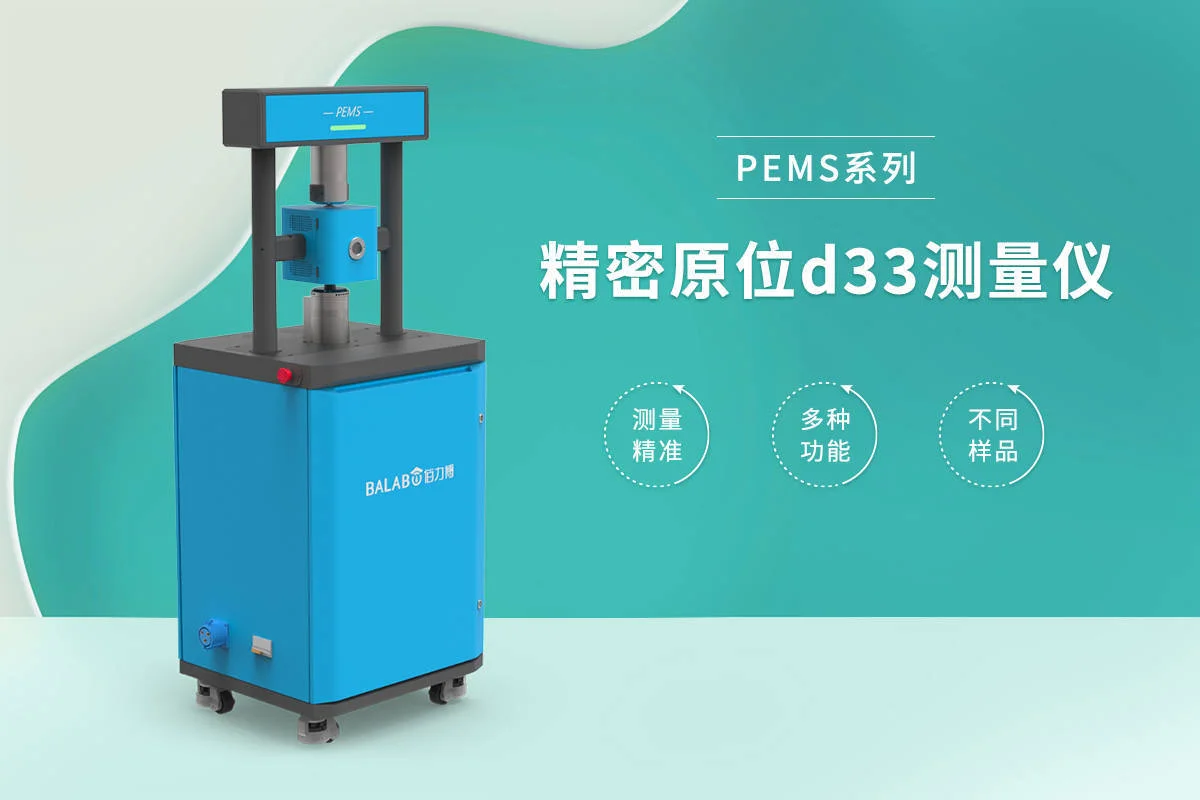
In high-temperature environments, the coercive field inside the material is significantly reduced, which means that sufficient polarization can be achieved at a relatively low electric field strength. Experimental research shows that the longitudinal piezoelectric coefficient (d₃₃) of the material is significantly improved after high-temperature polarization, and the polarization effect is better than normal temperature polarization. However, it should be noted that the stability of the residual polarization measured in the temperature range below the Curie temperature is relatively poor.
3. Key technical parameters
The core parameters of the polarization process include polarization threshold field, coercive field, saturation polarization intensity (Ps), residual polarization intensity (Pr), etc. Studies have shown that when the electric field is lower than about 150V/mm, complete polarization cannot be achieved even above the phase transition temperature, indicating that the polarization process requires reaching sufficient electric field strength.
IV. Application fields
High-voltage polarization and high-temperature polarization technology are widely used in the preparation of piezoelectric ceramic sensors, ferroelectric memories, drivers and other electronic devices, and have important scientific research and application value in the fields of materials science, energy storage and conversion.
Request High-Precision Testing Solutions
Get expert guidance and customized instruments for your functional materials project.