Overview
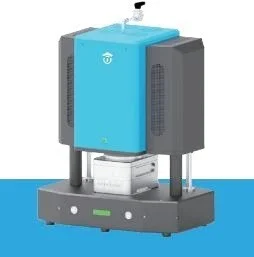
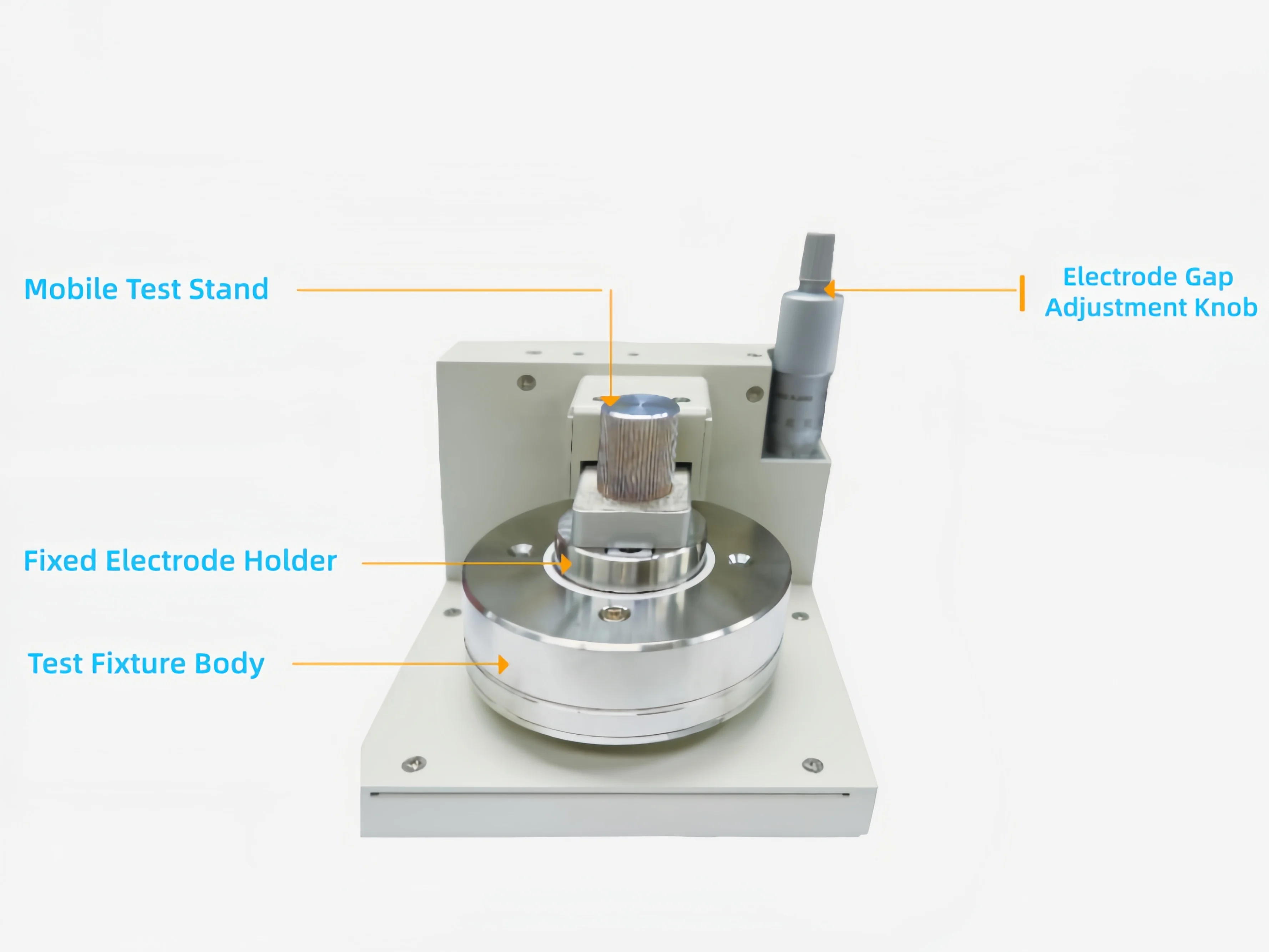
The MatMeas DTS1001PT1 High-Temperature Dielectric Testing System represents a meticulous refinement in dielectric impedance spectroscopy. It incorporates a sealed metal shielding heating system that minimizes AC interference for enhanced measurement accuracy. The vertically downward-oriented chamber with a stationary fixture mechanism, coupled with coplanar temperature sensors, ensures direct and accurate temperature acquisition. Equipped with high-purity platinum electrodes and compatible with Air, Flowing Gas, or Vacuum environments, the DTS1001PT1 meets the diverse needs of scientific materials research.
Specifications
| Temperature Range | RT-800°C |
| Temperature Control Accuracy | ±1°C |
| Heating Rate | 0-10°C/min (3°C/min typical) |
| Heating Method | Resistance Wire Heating |
| Frequency Range | 10Hz~10MHz |
| Measurement Environment | Air / Flowing Gas / Vacuum |
| Sample Size | Φ≤20mm, d≤5mm |
| Applied Sample Pressure | Max 0.25 N (Factory Calibrated) |
| Electrode Material | Platinum |
| Dimension | 480x320x830mm (LxWxH) |
| Power Supply | 220V/50Hz~60Hz, 1600W |
| Weight | 46Kg |
| Warranty Period | 1 Year |
Applications
- Ceramic & Dielectric Materials
- Ferroelectric & Piezoelectric Research
- Polymer Science
- Material Impedance Spectroscopy
FAQ
How does the DTS1001PT1 system ensure precise temperature acquisition?
The temperature sensor is positioned coplanar with the samples, ensuring accurate and direct temperature acquisition. Furthermore, the system undergoes factory calibration using standard barium titanate (BaTiO3) samples for reliable control.What is the advantage of the sealed metal shielding?
The built-in sealed metal shielding heating system drastically minimizes AC interference, which ensures enhanced measurement accuracy during sensitive dielectric impedance spectroscopy tests.How does the system protect delicate ceramic samples during high-temperature testing?
Each DTS1001PT1 unit undergoes strict factory calibration to apply a controlled maximum sample pressure of 0.25 N. This stationary fixture mechanism guarantees sample integrity and precise electrical contact without crushing the materials throughout the entire measurement process.Does it support testing multiple samples simultaneously?
Yes, the newly evolved system features an upgraded electrode fixture measurement platform capable of testing both single and four bulk material samples, saving time for researchers.
Related Products
MatMeas DMA-100 Liquid Dielectric Constant Analyzer
MatMeas DMA-100 is a precision liquid dielectric constant analyzer for accurate dielectric property measurement of liquids.
View details →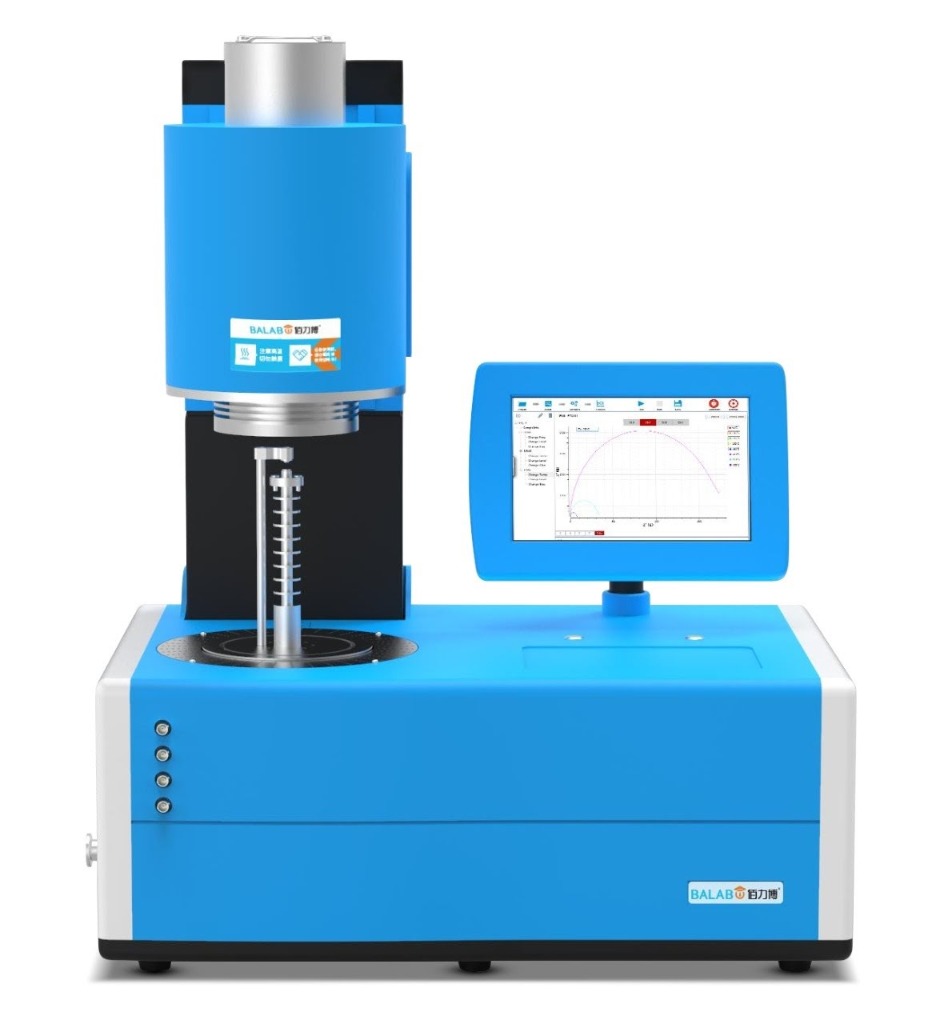
MatMeas DMS-1000 High Temperature Dielectric Impedance Spectroscopy System
MatMeas DMS-1000 is a high-temperature dielectric impedance spectroscopy system for accurate dielectric characterization of advanced materials.
View details →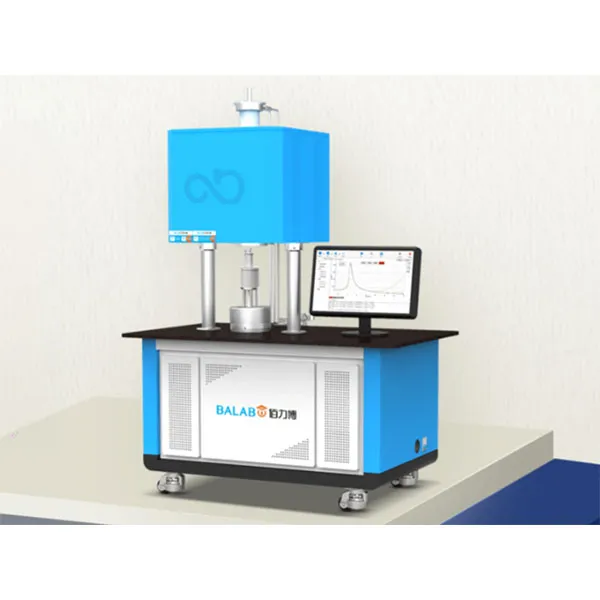
MatMeas DMS1650 Ultra-High Temperature Dielectric Impedance Spectrometer | Dielectric Property Analyzer up to 800°C
The MatMeas DMS1650 Ultra-High Temperature Dielectric Impedance Spectrometer is designed for dielectric property characterization of materials under extreme temperatures. The system integrates a high-temperature furnace, measurement fixture, and analysis software, enabling precise dielectric constant, dielectric loss, and impedance spectroscopy measurements across a wide frequency range.
View details →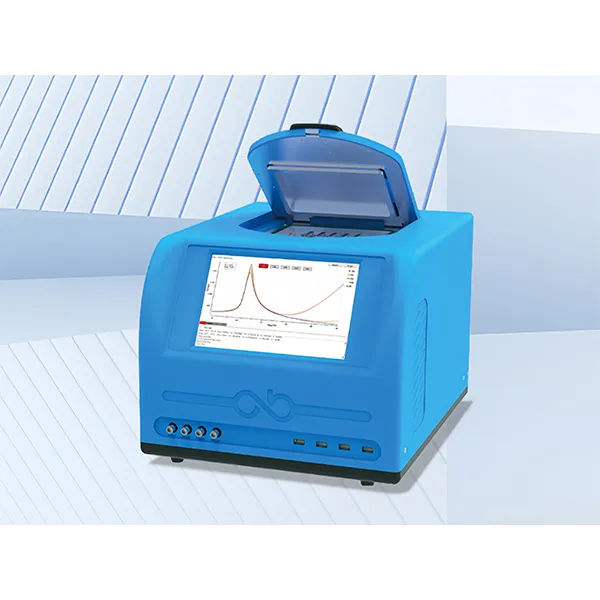
MatMeas DMS2000 High& Low Temperature Dielectric Impedance Spectrometer
ASTM D150-compliant dielectric impedance system for precise measurements from -160°C to 450°C in one integrated platform.
View details →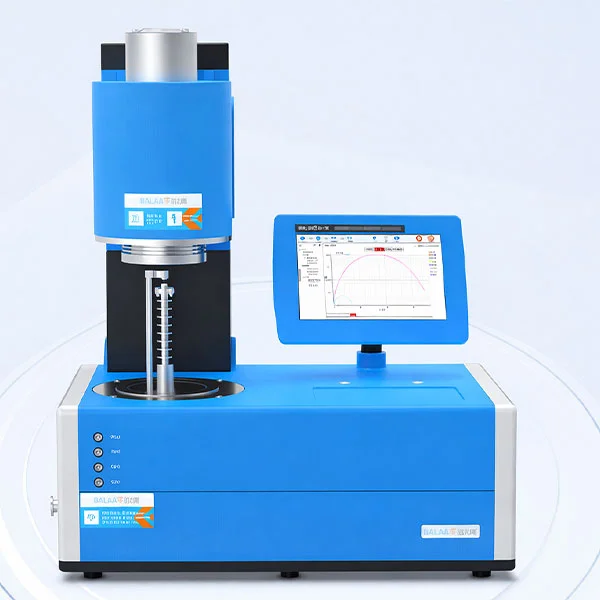
MatMeas DTS1000 High-Temperature Dielectric Impedance Spectrometer | Dielectric Property Analyzer up to 800°C
The MatMeas DTS1000 High-Temperature Dielectric Impedance Spectrometer is designed for accurate dielectric property characterization of materials from room temperature up to 800°C. With a frequency range of 10 Hz–10 MHz and high-precision temperature control, the system provides reliable dielectric constant and loss measurements for ceramics, polymers, and advanced functional materials.
View details →
HTS1000 High Temperature Dielectric Measurement System
HTS1000 High Temperature Dielectric Measurement System supports precise dielectric, impedance and resistivity testing up to 1000°C for advanced materials research.
View details →