Breaking the 500°C Limit! SICCAS Publishes in Top Journal Featuring Matmeas High-Temperature Testing Systems
Technical News
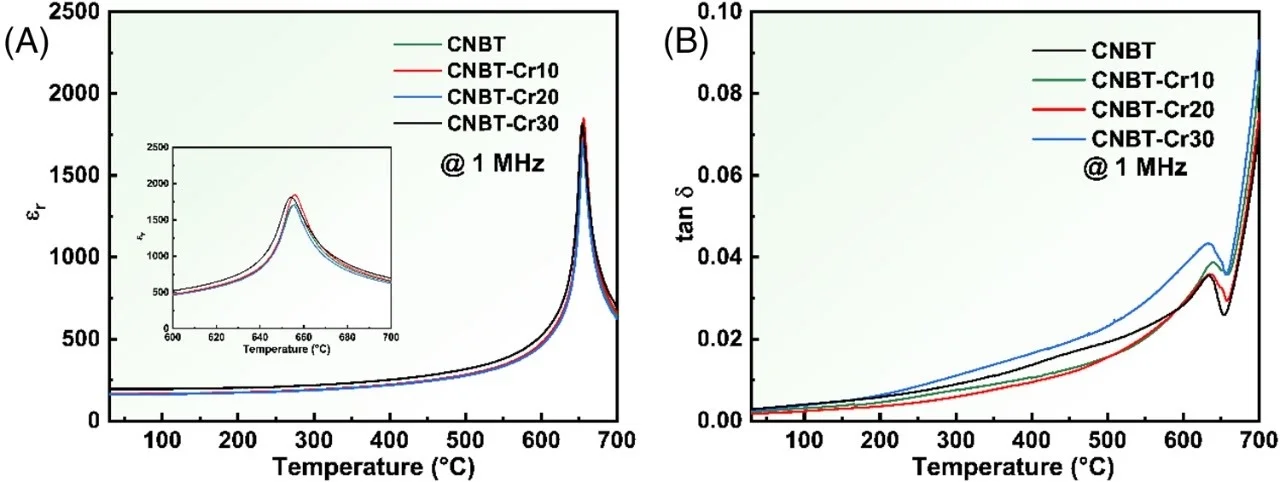
Recently, the prestigious Journal of the American Ceramic Society (JACerS) published a groundbreaking research paper from the team led by Prof. Zhiyong Zhou at the Shanghai Institute of Ceramics, Chinese Academy of Sciences (SICCAS).
📖 Literature Reference:
Title: Enhanced electrical properties of Cr2O3 addition NBT-based high-temperature piezoelectric ceramics
Journal: Journal of the American Ceramic Society
Research Team: Prof. Zhiyong Zhou's Group, Shanghai Institute of Ceramics, Chinese Academy of Sciences (SICCAS)
DOI Link: 10.1111/jace.18919
The research team successfully developed a novel Cr2O3-doped NBT-based (Na0.5Bi4.5Ti4O15) high-temperature piezoelectric ceramic (CNBT-Cr20). In cutting-edge fields such as aerospace and automotive electronics, sensors are often required to operate flawlessly in extreme thermal cycling environments exceeding 500°C, placing immense demands on core piezoelectric materials. This newly engineered material not only achieves an impressive Curie temperature (Tc) of 655°C and a nearly doubled piezoelectric coefficient (d33 of 29 pC/N), but also maintains an exceptional DC resistivity of over 106 Ω·cm at a blistering 500°C, showing immense potential for industrial applications.
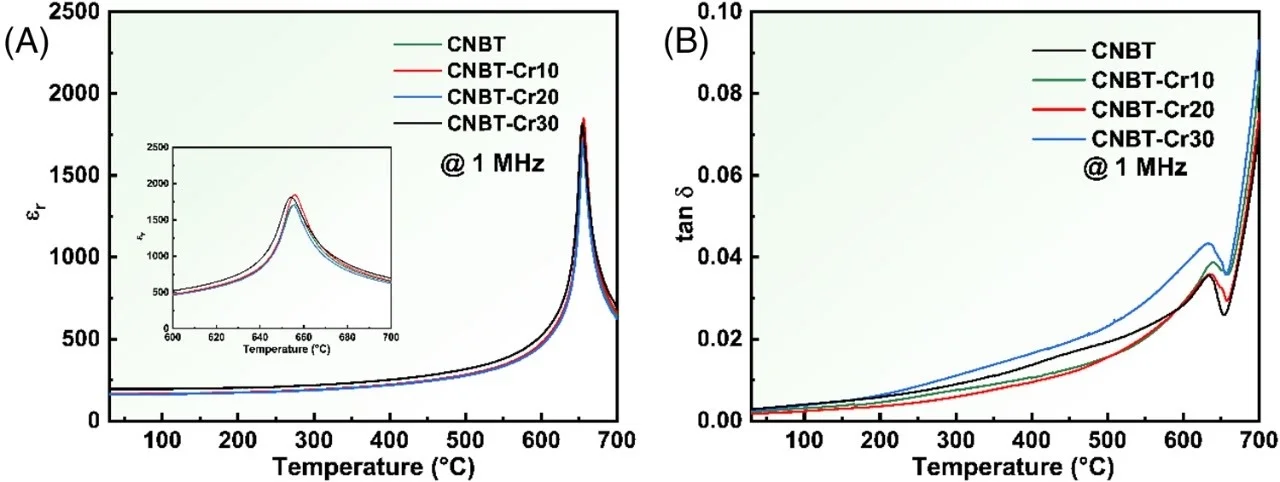
🔬 The Ultimate "Touchstone" for Extreme Environment Data: MatMeas DMS1000 (formerly BaLab / Partulab) Testing System
Capturing the subtle changes in dielectric constant, dielectric loss, and resistivity under such extreme ultra-high temperatures pushes the anti-interference capabilities and temperature-control precision of testing equipment to their absolute limits. In this heavyweight research, the core high-temperature electrical characterization data was reliably secured and validated by MatMeas DMS1000 testing equipment:
\"...the dielectric constant and loss versus temperature were measured using an impedance material analyzer (Model DMS-1000, Partulab, China). The variation of DC resistivity with temperature was measured using an HRMS-900 conductivity measurement device (Partulab, Wuhan, China).\"
1. MatMeas DMS1000 Impedance Material Analyzer
To verify the material's Curie temperature (Tc) and dielectric stability, the research team employed the MatMeas DMS1000 high-temperature dielectric testing platform. With its highly stable heating zone and built-in metal shielding system to suppress AC interference, the MatMeas DMS1000 flawlessly captured the sharp dielectric peaks around 655°C and accurately confirmed the material's excellent low dielectric loss characteristics after doping.
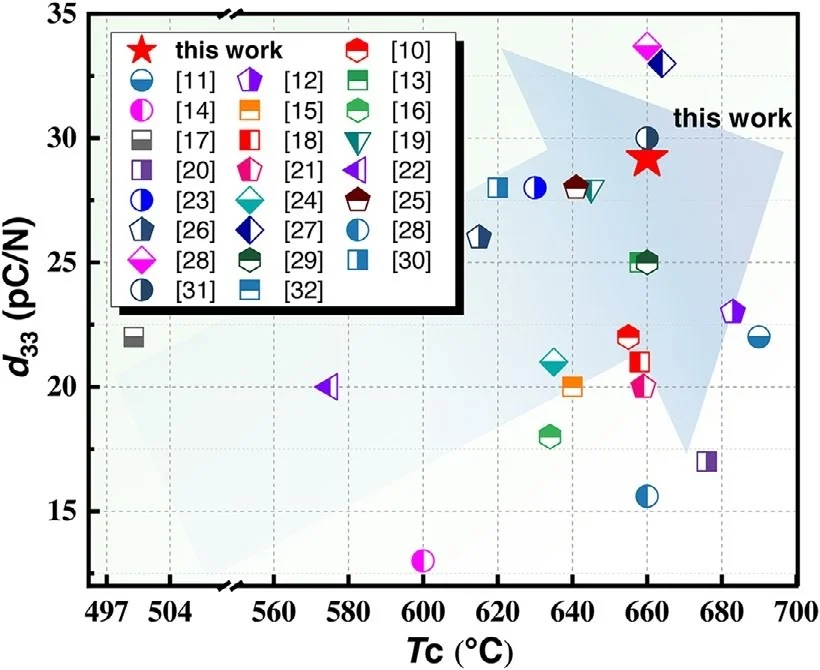
Data acquired via MatMeas DMS1000 system. In the extreme temperature region exceeding 500°C, the dielectric curves remain smooth and precise.
2. MatMeas DMS1000 Conductivity Measurement Device
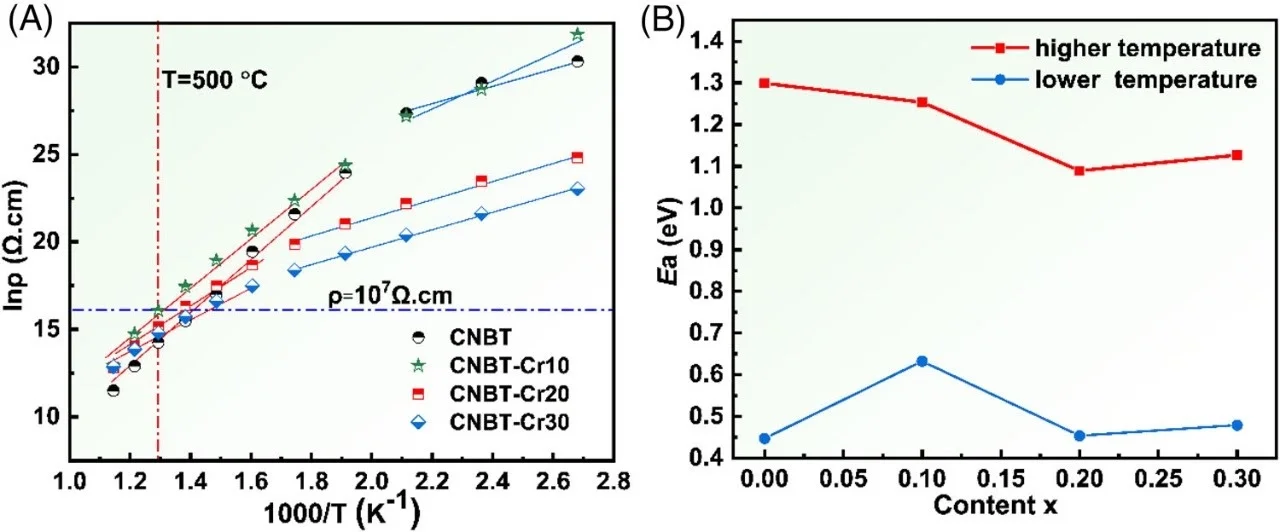
When exploring the internal defect concentration and the complex transition of conduction mechanisms (from hole conduction to ionic conduction) at elevated temperatures, the team relied on the MatMeas DMS1000 system. This device accurately tracked the DC resistivity and activation energy (Ea) of the samples at extreme temperatures up to 500°C and beyond. The precise data successfully proved that the novel ceramic maintains extremely low leakage currents at ultra-high temperatures, providing robust data support for its practical applications.
Data acquired via MatMeas DMS1000 system. High-precision DC resistivity measurement over 500°C confirms excellent insulation properties.
📈 More Scientific Research Data & Characterization
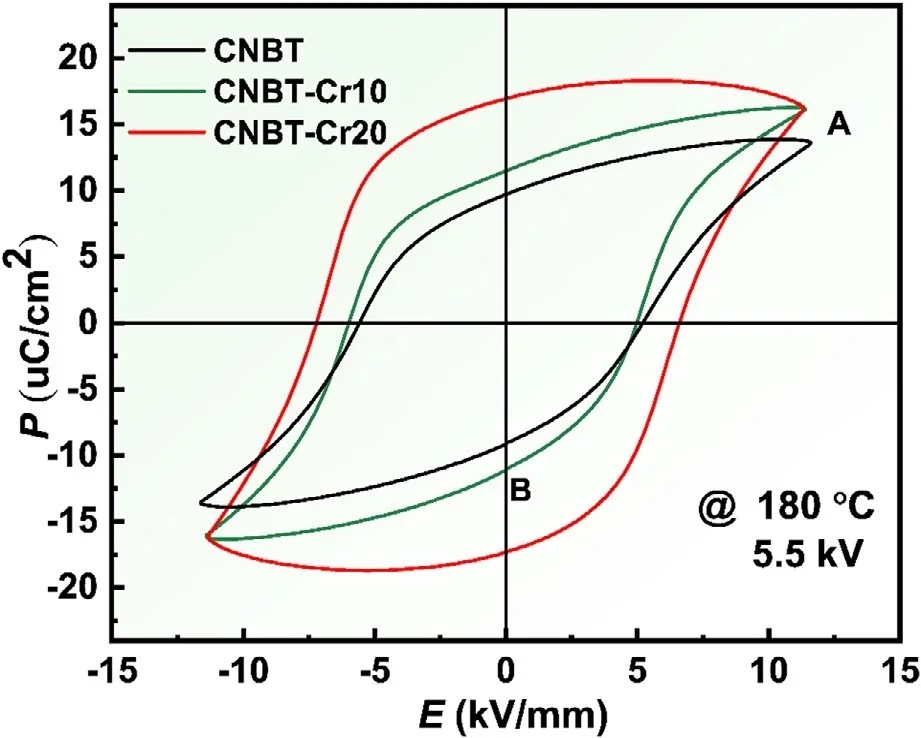
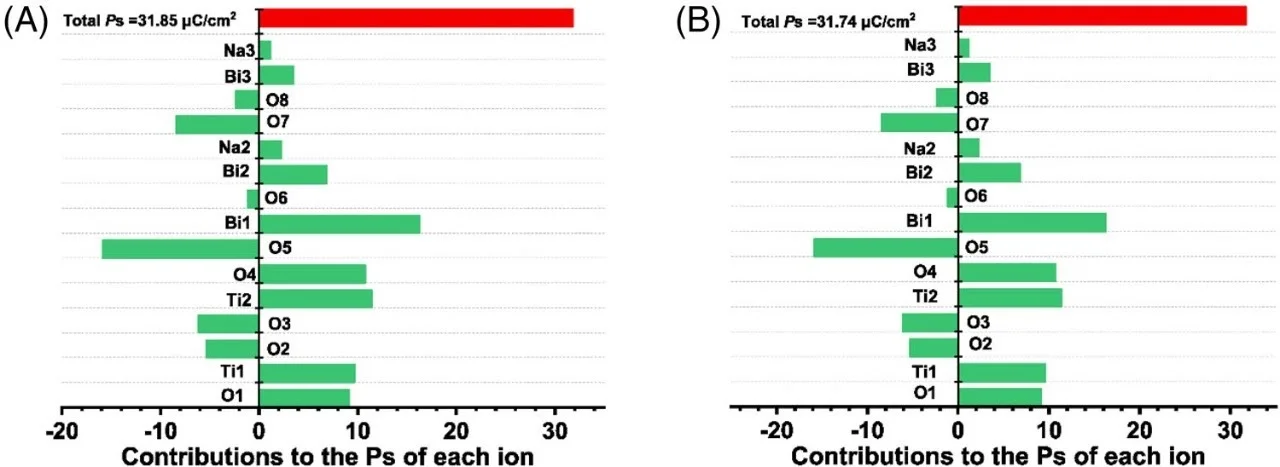
To obtain comprehensive and reliable piezoelectric and electrical responses, the research team conducted multi-dimensional characterizations using the MatMeas DMS1000 system. These high-precision curves systematically reveal the deep modulation effects of Cr2O3 doping on internal structural defects and electrical conduction mechanisms of the novel high-temperature piezoelectric ceramics:
Top-Tier Research Requires Top-Tier Infrastructure
As the saying goes, "Good tools are prerequisite to the successful execution of a job." The continuous breakthroughs published in international top-tier journals by leading research institutions like SICCAS serve as the strongest testament to the irreplaceable reliability and high precision of MatMeas DMS1000 in the field of "Extreme Environment Electrical Characterization."
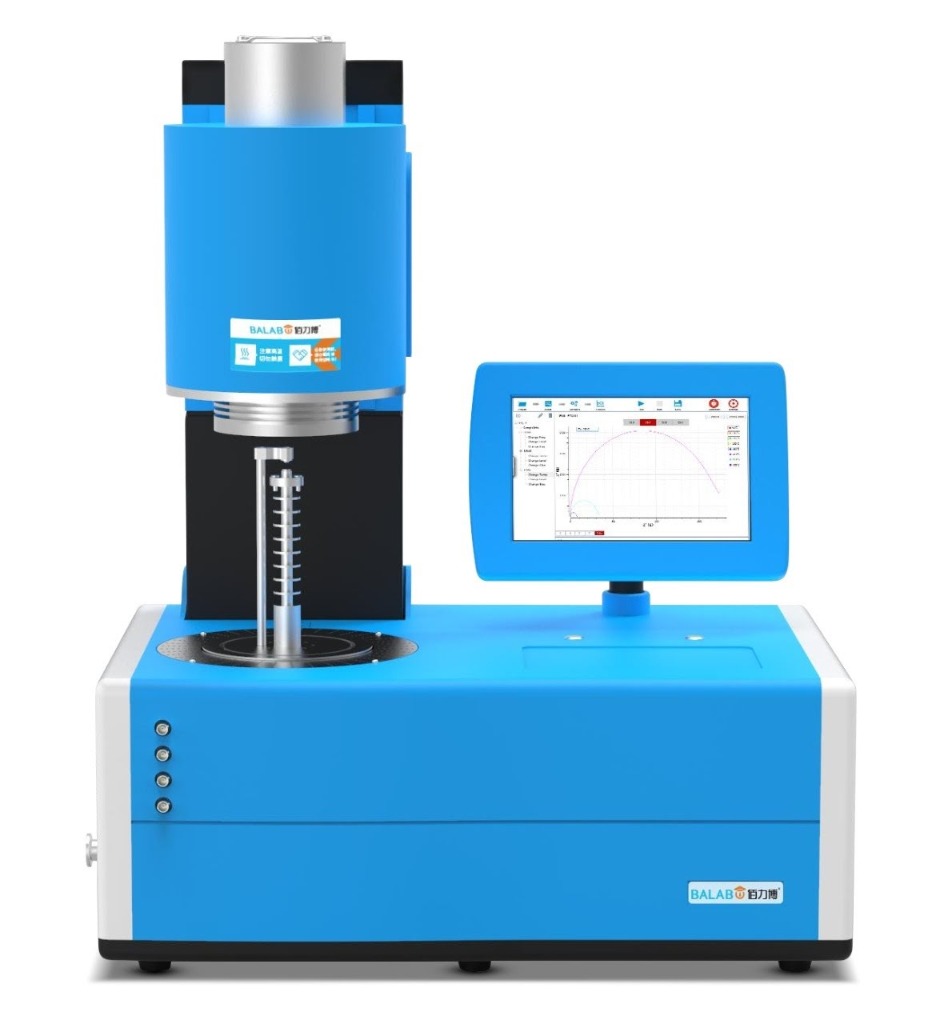
The MatMeas DMS1000 features a fully integrated design — no external impedance analyzers required. Its built-in measurement engine delivers an ultra-wide frequency range of 20 Hz to 30 MHz (single channel) and 20 Hz to 10 MHz (four-channel simultaneous high-throughput), with a built-in metal shielding system that suppresses AC interference for absolute signal integrity. Whether for room temperature up to 1000°C or other extreme environment applications, MatMeas is dedicated to providing global material scientists with world-class, ultra-precise electrical testing infrastructure.
Discover more about our advanced piezoelectric and ferroelectric characterization solutions. Visit the official website or contact our expert technical team today!
📥 Literature PDF Download:
Request High-Precision Testing Solutions
Get expert guidance and customized instruments for your functional materials project.