Overview
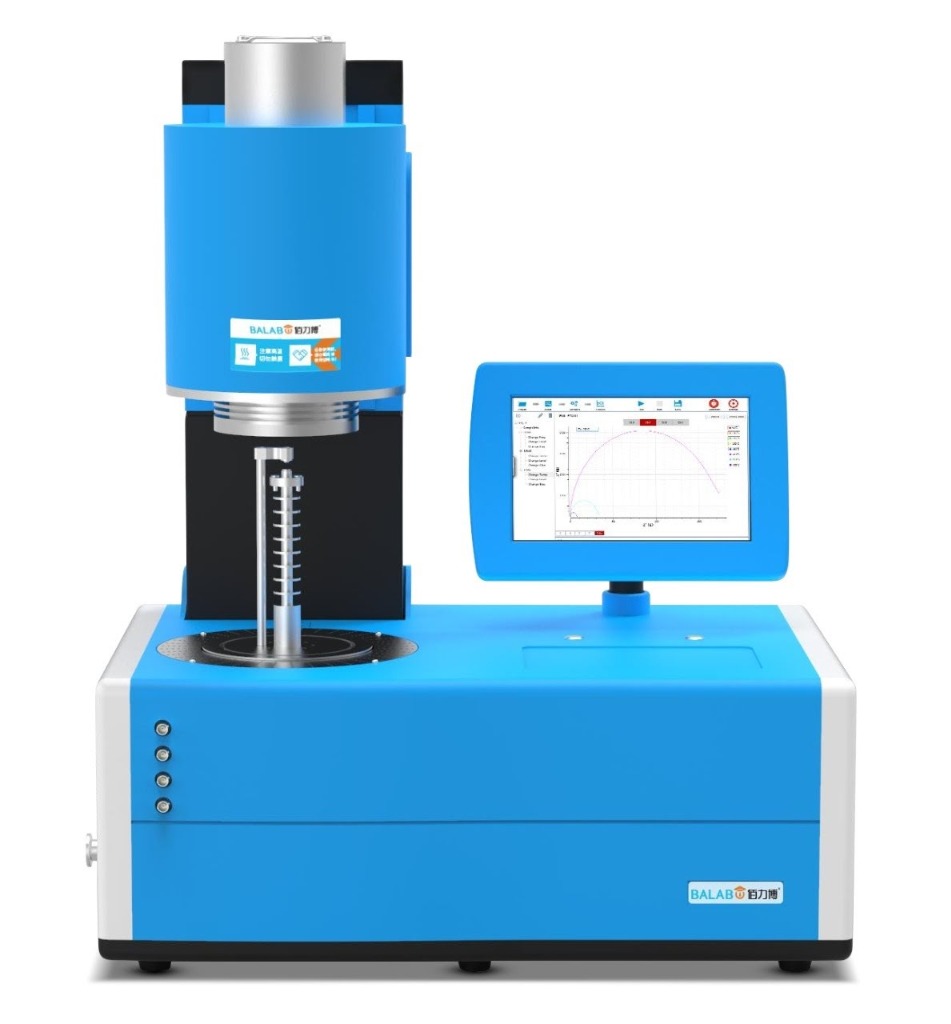
The MatMeas DMS1000 High Temperature Dielectric Impedance Spectroscopy System is designed for precise evaluation of dielectric properties under elevated temperature conditions. It helps researchers and engineers analyze dielectric behavior, impedance response, and temperature-dependent material performance in a stable testing environment. With a professional integrated design and reliable measurement workflow, the DMS1000 is suitable for laboratories, research institutes, and industrial material development applications.
Specifications
| Temperature Range | RT to 1000℃ (Long-term operation at 800℃) |
| Temperature Control Accuracy | ± 0.5℃ (PID precise control) |
| Frequency Range | 20Hz ~ 30MHz (Single channel) / 20Hz ~ 10MHz (Four channels) |
| Measurement Accuracy | 0.05% |
| Measurement Environments | Inert, Oxidizing, Reducing, and Vacuum atmospheres |
| Sample Capacity | Single sample or Four samples |
| Sample Specifications | φ < 20 mm, d < 5 mm |
| Applied Sample Pressure | Max 0.25 N (Factory calibrated) |
| Electrode Material | High-purity upper and lower platinum electrodes |
| Heating Rate | 0–10℃/min (Typical value 3℃/min) |
Applications
- Dielectric, ferroelectric, and piezoelectric functional ceramic characterization
- High-temperature impedance spectroscopy and Cole-Cole / Nyquist relaxation analysis
- Curie temperature (Tc) and phase transition evaluation under controlled atmospheres
- Turnkey metrology infrastructure for university laboratories and materials institutes
- Thin-film substrates, solid oxide electrolytes, and energy storage dielectric research
More Details
The MatMeas DMS1000 is developed for high-temperature dielectric impedance spectroscopy and supports stable characterization of advanced materials under controlled thermal conditions.
FAQ
How does the DMS1000 eliminate AC interference and thermal lag common in standard high-temperature fixtures?
Standard high-temperature furnaces suffer from massive AC electromagnetic interference and significant thermal lag between the thermocouple and the sample, skewing dielectric data. The MatMeas DMS1000 eliminates this with a built-in sealable metal shielding system and a coplanar temperature sensor design, ensuring absolute thermal accuracy and 0.05% measurement precision up to 1000°C.Why do conventional measurement fixtures fail to provide pure dielectric data under varying atmospheres?
Conventional open-air fixtures allow sample oxidation at high temperatures, completely ruining the intrinsic dielectric response of the material. The DMS1000 features a highly specialized, sealable sample chamber that perfectly supports inert, oxidizing, reducing, and vacuum atmospheres, guaranteeing pristine electrical characterization of advanced ceramics.What components are included in the complete turnkey DMS1000 high-temperature dielectric measurement setup?
MatMeas delivers a complete turnkey, ready-to-test system including: (1) High-temperature sealed vertical furnace (RT to 1000°C, 800°C continuous); (2) High-purity platinum electrode sample fixture with coplanar thermocouple; (3) Intelligent multi-segment PID temperature controller (±0.5°C accuracy); (4) Precision wideband impedance / LCR core engine (1 Hz / 10 Hz to 10 MHz or 30 MHz); (5) Automated measurement and analysis software suite with real-time εr, tan δ, and Nyquist plotting; (6) Complete workstation accessories, pre-configured Dell PC, low-noise shielded BNC cables, and standard BaTiO3 reference samples.Can the system measure multiple samples simultaneously under controlled atmospheres?
Yes. The DMS1000 features a highly versatile measurement platform capable of evaluating a single sample (up to 30 MHz) or up to four samples simultaneously (up to 10 MHz). Its sealable furnace design supports a wide range of environments, including inert, oxidizing, reducing, and vacuum atmospheres.How does the equipment protect delicate ceramic samples while maintaining reliable electrical contact?
The system incorporates high-purity platinum electrodes to ensure low contact resistance and oxidation resistance at high temperatures. Additionally, each unit undergoes strict factory calibration to apply a maximum sample pressure of only 0.25 N, securing bulk ceramic disks (including standard 10 mm diameter pellets) precisely without physical damage. For non-standard thin pellets (< 1 mm, such as 0.4–0.8 mm), customized low-force configurations and geometric capacitance correction are supported upon technical consultation. Furthermore, measurement reliability is strictly validated using standard Barium Titanate (BaTiO3) samples prior to delivery.
Academic Publications
| Journal | Paper Title | Publisher Link | Download |
|---|---|---|---|
| Journal of the American Ceramic Society | Enhanced electrical properties of Cr2O3 addition NBT-based high-temperature piezoelectric ceramics | https://doi.org/10.1111/jace.18919 | Download |
| Journal of the American Ceramic Society | Phase Transition, Microstructure and Electrical Properties | https://doi.org/10.1111/jace.16231 | Download |
Related Products
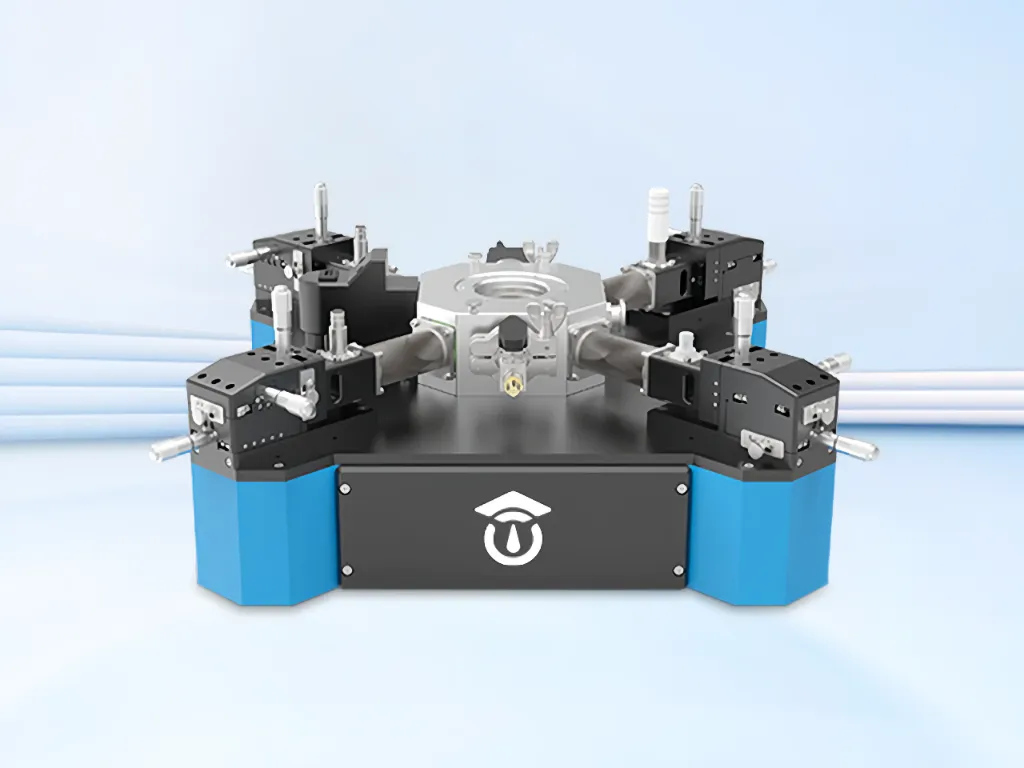
CPS7000 High-Low Temperature Dielectric Vacuum Probe Station
The MatMeas CPS7000 is an advanced, highly integrated desktop High-Low Temperature Dielectric Vacuum Probe Station engineered for the rigorous electrical characterization of thin films, bulk materials, and semiconductor wafers. Delivering performance directly comparable to industry-leading American brands like Lake Shore and Janis, this compact platform offers an ultra-wide temperature range from -160°C to 450°C via liquid nitrogen cooling. Uniquely equipped with a proprietary built-in air shock anti-vibration system, the CPS7000 eliminates data jumping points during continuous temperature variations. Supporting complex high-voltage and low-current testing environments, it is the ultimate infrastructure for evaluating dielectric, piezoelectric, ferroelectric, and TSDC properties in high-vacuum conditions.
View details →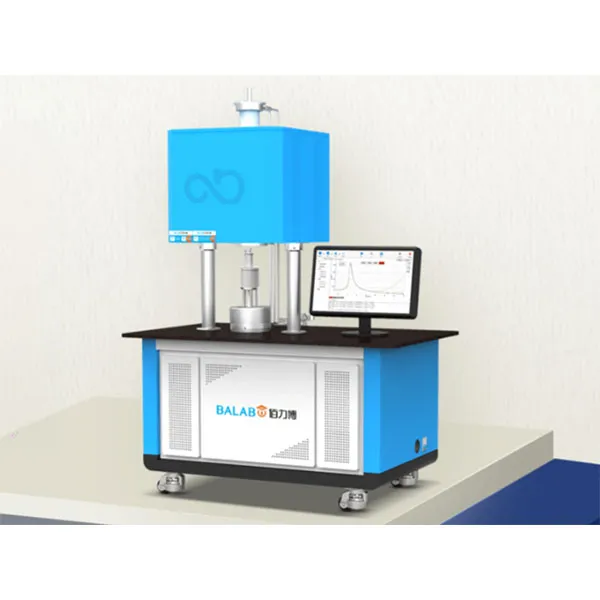
MatMeas DMS1650 Ultra-High Temperature Dielectric Impedance Spectrometer | Dielectric Property Analyzer up to 1600°C
The MatMeas DMS1650 Ultra-High Temperature Dielectric Impedance Spectrometer is designed for dielectric property characterization of materials under extreme temperatures. The system integrates a high-temperature furnace, measurement fixture, and analysis software, enabling precise dielectric constant, dielectric loss, and impedance spectroscopy measurements across a wide frequency range.
View details →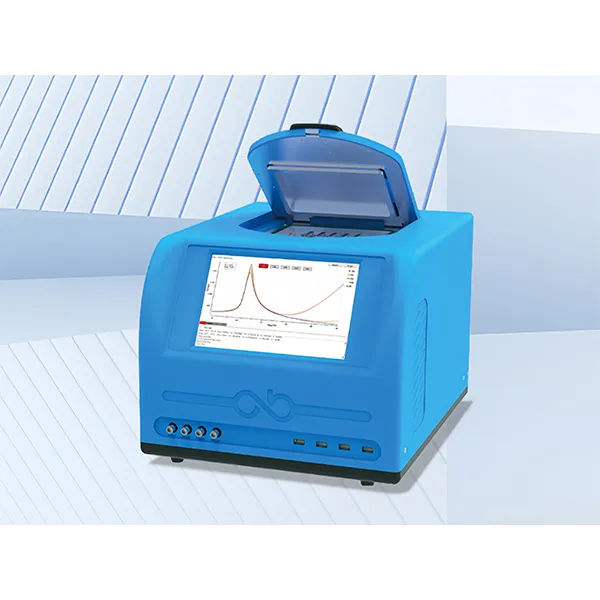
MatMeas DMS2000 High-Low Temperature Dielectric Spectrometer
The MatMeas DMS2000 is an advanced High and Low Temperature Dielectric Impedance Spectrometer engineered for evaluating the dielectric properties of materials under extreme thermal conditions. Compliant with the ASTM D150 standard, it integrates a proprietary LNP-95 liquid nitrogen injection system to achieve seamless continuous temperature variation from -160°C to 450°C. Uniquely featuring a vacuum-enabled sample chamber to completely prevent thermal frosting and eliminate false water peaks near 0°C, along with versatile options for single-sample or five-sample simultaneous testing, the DMS2000 ensures unparalleled data fidelity and high throughput for advanced scientific research.
View details →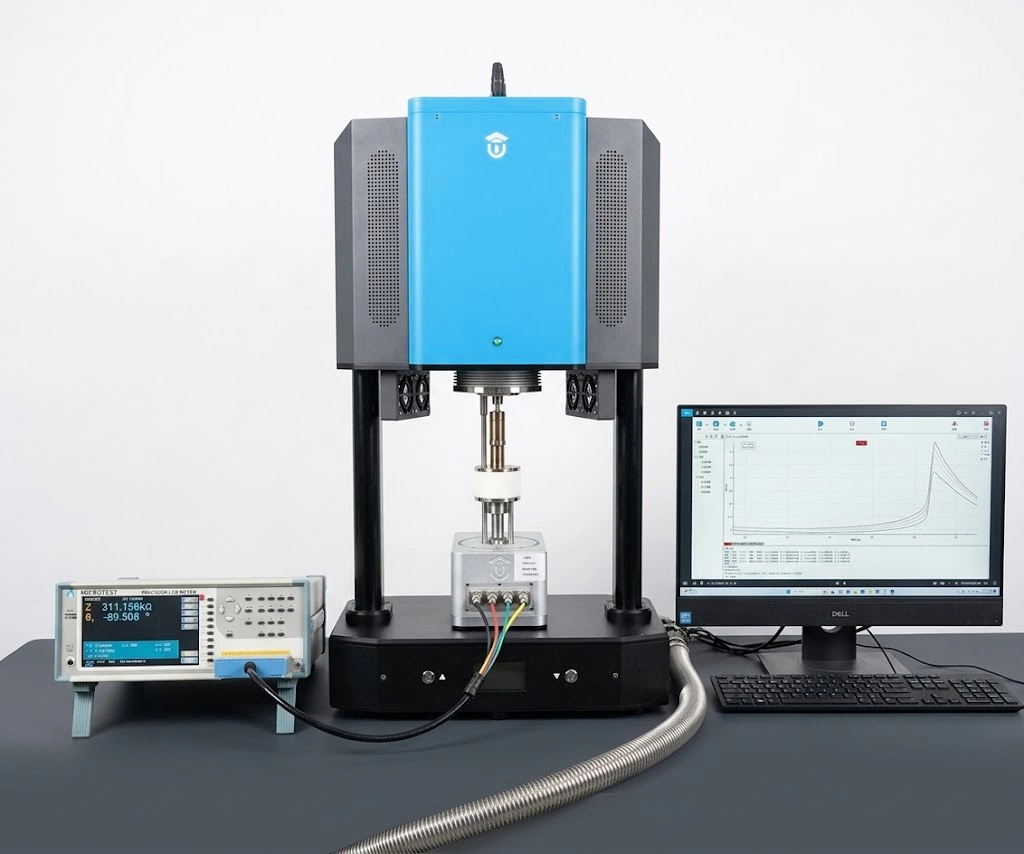
MatMeas DTS1000 High-Temperature Dielectric Impedance Spectrometer
Built on the proven DMS series platform, the MatMeas DTS1000 is a next-generation high-temperature dielectric impedance spectrometer engineered specifically for high-temperature mechanistic research on functional ceramics and advanced dielectric materials. Its modular architecture supports effortless plug-and-play switching between single-channel precision measurement and four-channel high-throughput screening. Across a wide temperature range from room temperature to 1000°C, the DTS1000 delivers fully automated, high-accuracy mapping of dielectric constant, dielectric loss, Curie temperature, and Cole-Cole/Nyquist spectra.
View details →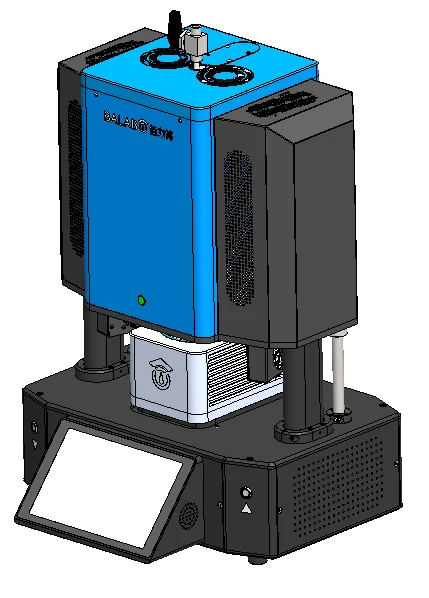
MatMeas DTS10001 High-Temperature Dielectric Testing System
The DTS10001 by MatMeas redefines high-temperature dielectric impedance spectroscopy. Designed for functional ceramics and advanced dielectric research, it features a modular plug-and-play architecture for quick switching between single-channel and 4-channel fixtures, a motorized furnace elevator, and a temperature range of RT-1000°C (long-term up to 850°C) with comprehensive atmosphere controls.
View details →