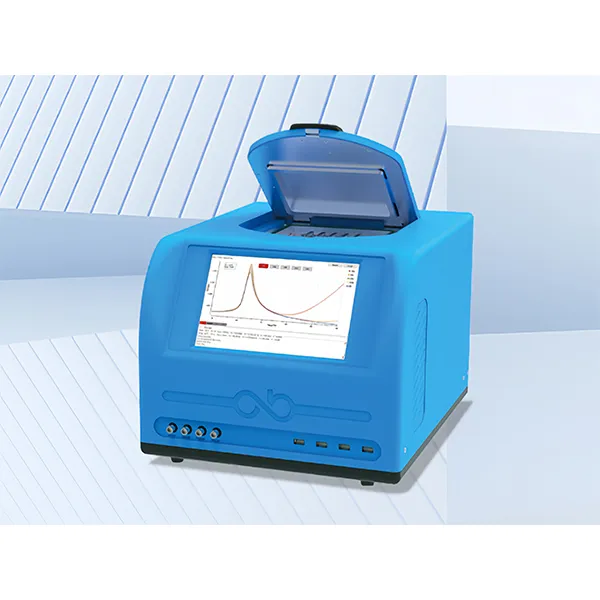
Overview
The DMS2000 series is built for evaluating dielectric properties of materials under extreme high and low temperature environments. It uses the parallel-plate capacitor principle and is developed in accordance with ASTM D150. With the optional LNP-95 liquid nitrogen injection system, the platform supports continuous temperature sweeps from -160°C to 450°C, helping researchers obtain stable, repeatable dielectric impedance and temperature-spectrum data for diverse R&D needs.
Specifications
| Temperature Range | -160℃ to 450℃ |
| Temperature Control Accuracy | ±1℃ |
| Frequency Range | 20 Hz ~ 30 MHz (Single Channel) / 20 Hz ~ 10 MHz (Five Channels) |
| Heating / Cooling Method | Resistance wire heating / LNP-95 Liquid nitrogen cooling |
| Heating Rate | 0–10℃/min (Typical value 3℃/min) |
| Sample Specifications | φ < 20 mm, d < 5 mm |
| Measurement Standard | ASTM D150 |
| Electrode Material | Platinum / Silver electrodes |
| Chamber | Vacuum-enabled sample chamber to prevent frosting and false peaks near 0°C |
| Dimensions & Weight | 547 × 380 × 326 mm (L×W×H), 25 kg |
| Power Supply | 220–240 V, 50/60 Hz |
| Warranty | 1 Year |
Applications
- Dielectric property evaluation of polymers
- ceramics
- and composites
- Ferroelectric and insulating material characterization
- Temperature-dependent impedance spectroscopy (research & industrial R&D)
- Material screening and performance comparison under extreme temperatures
Video
More Details
- Wide Temperature Range (-160°C to 450°C)
- Vacuum Insulation for Reliable Low-Temperature Testing
- ASTM D150-Based Measurement Principle
- Safety & Automation (Liquid Level Alarm, Pressure Relief)
- Software Monitoring and Troubleshooting
FAQ
How does the DMS2000 prevent thermal frosting and false water peaks near 0°C during cryogenic testing?
When standard dielectric fixtures are cooled with liquid nitrogen, atmospheric moisture condenses and freezes on the sample, creating massive false 'water peaks' in the impedance data near 0°C. The MatMeas DMS2000 fundamentally solves this by incorporating a proprietary vacuum-enabled sample chamber, strictly isolating the sample in a high-vacuum environment to guarantee 100% frost-free, artifact-free data from -160°C to 450°C.Why is the DMS2000 more stable than traditional liquid nitrogen bath cryostats?
Traditional immersion cryostats suffer from severe temperature fluctuations caused by the boiling off of liquid nitrogen, leading to noisy dielectric measurements. The DMS2000 utilizes an advanced, proprietary LNP-95 liquid nitrogen injection and vaporization system that provides ultra-smooth, continuous temperature variation (±0.5°C accuracy) without the mechanical vibration or thermal shocks of boiling baths.How does the DMS2000 prevent moisture condensation and false water peaks during cryogenic testing?
Moisture interference is a critical issue in low-temperature measurements. The DMS2000 completely resolves this by utilizing a specialized vacuum-enabled sample chamber. This design provides exceptional thermal insulation, strictly preventing sample frosting and eliminating the occurrence of false water peaks near 0°C.What is the advantage of the DMS2000's specific electrode design for solid samples?
Developed based on the parallel plate capacitor principle, the system utilizes a highly innovative electrode configuration: a hemispherical upper electrode paired with a flat lower electrode. Combined with high-purity precious metal electrodes, this ensures improved physical contact, outstanding oxidation resistance, and minimal contact resistance under extreme temperatures.What are the measurement throughput and frequency capabilities of the system?
The highly integrated DMS2000 platform supports variable research needs. It offers a single-sample testing configuration with an ultra-wide frequency range from 20 Hz up to 30 MHz. Additionally, it provides a high-throughput configuration capable of measuring five bulk samples simultaneously across a frequency range of 20 Hz to 10 MHz.How does the system ensure operational safety during liquid nitrogen cooling?
The DMS2000 is equipped with a built-in mechanical pressure relief device to ensure safety under overpressure conditions. Furthermore, it features a liquid level alarm function that automatically alerts operators when the liquid nitrogen falls below the minimum required level.
Related Products
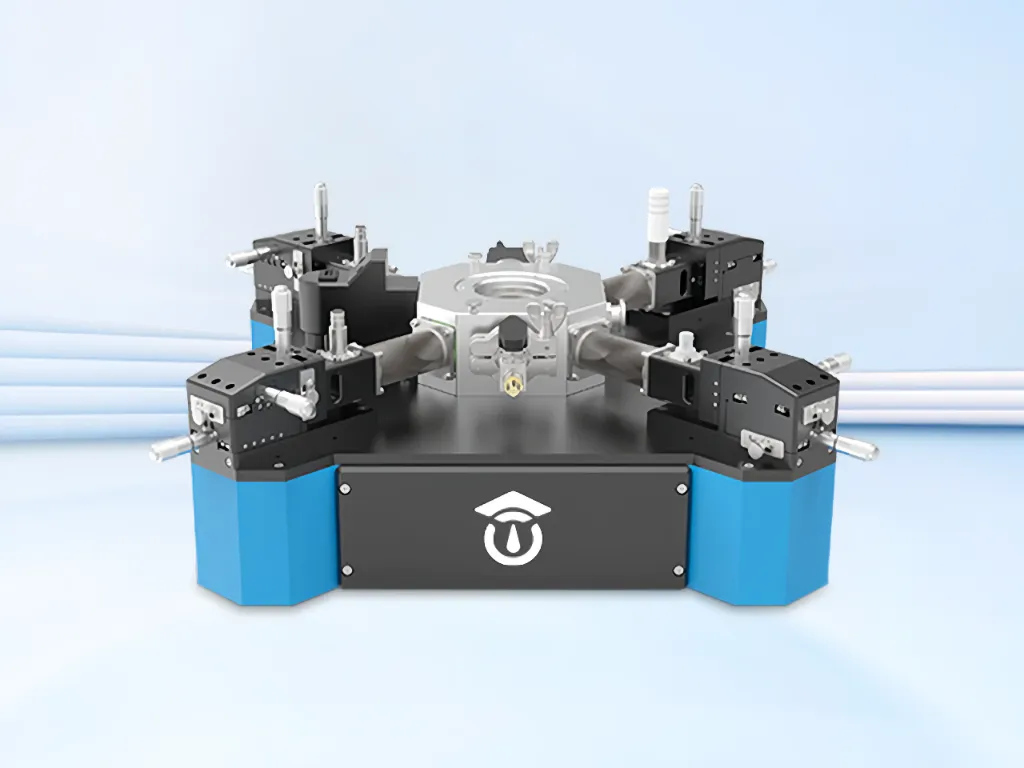
CPS7000 High-Low Temperature Dielectric Vacuum Probe Station
The MatMeas CPS7000 is an advanced, highly integrated desktop High-Low Temperature Dielectric Vacuum Probe Station engineered for the rigorous electrical characterization of thin films, bulk materials, and semiconductor wafers. Delivering performance directly comparable to industry-leading American brands like Lake Shore and Janis, this compact platform offers an ultra-wide temperature range from -160°C to 450°C via liquid nitrogen cooling. Uniquely equipped with a proprietary built-in air shock anti-vibration system, the CPS7000 eliminates data jumping points during continuous temperature variations. Supporting complex high-voltage and low-current testing environments, it is the ultimate infrastructure for evaluating dielectric, piezoelectric, ferroelectric, and TSDC properties in high-vacuum conditions.
View details →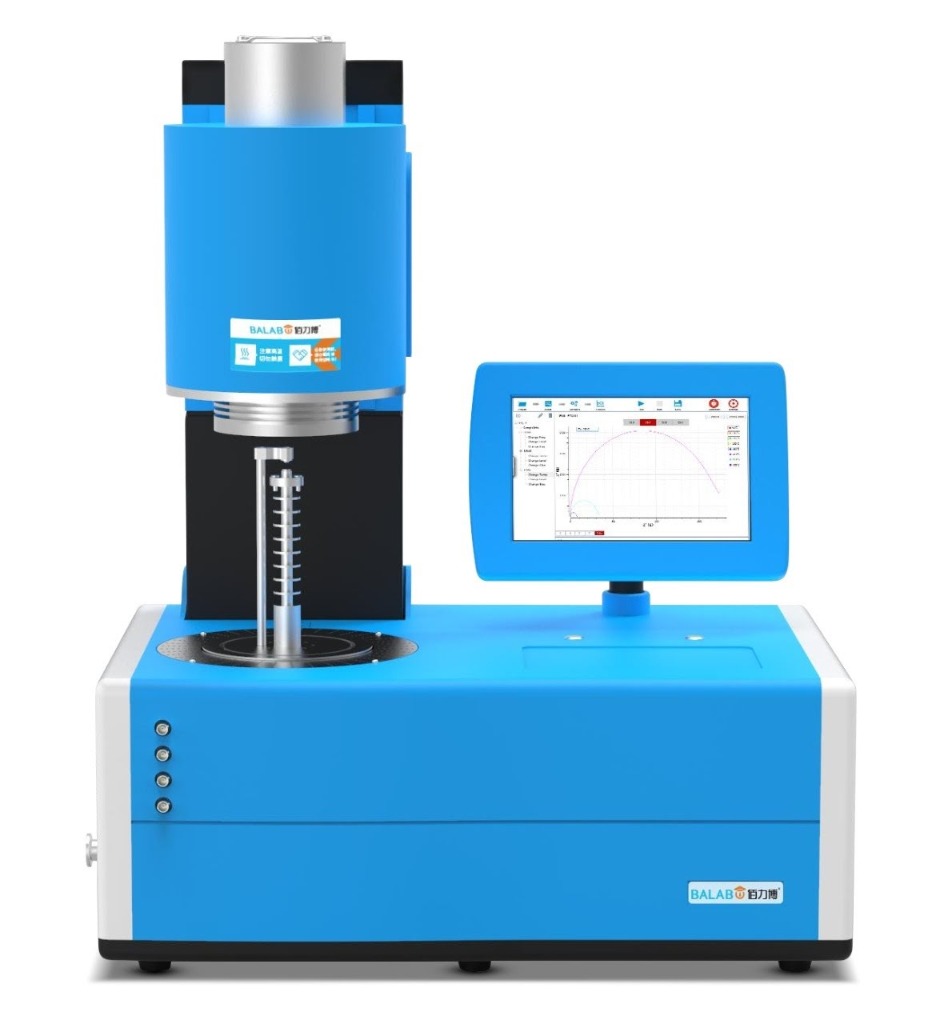
MatMeas DMS1000 High-Temperature Dielectric Spectrometer
The MatMeas DMS1000 is an advanced High-Temperature Dielectric Impedance Temperature Spectrometer engineered for the ultimate electrical characterization of bulk materials. Delivering an exceptional measurement accuracy of 0.05%, it operates efficiently from Room Temperature (RT) to 1000°C. Its upgraded platform supports both single-sample and four-sample simultaneous measurements. Integrated with a sealable metal shielding system and high-purity platinum electrodes, the DMS1000 enables highly reliable testing across inert, oxidizing, reducing, and vacuum atmospheres, making it an indispensable infrastructure for precision materials science.
View details →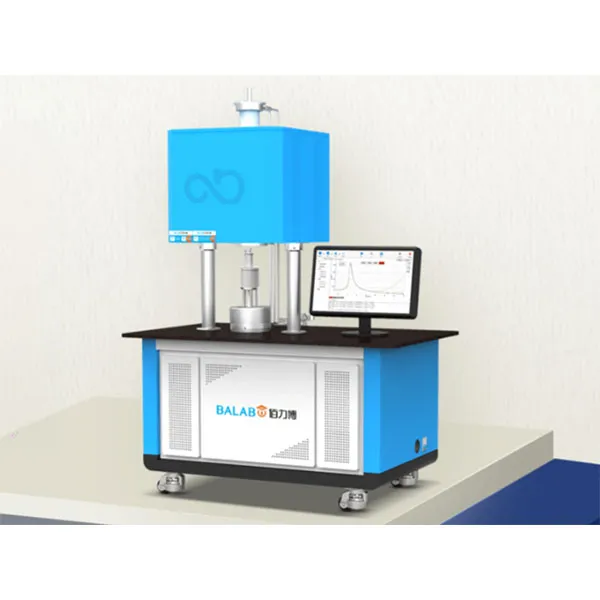
MatMeas DMS1650 Ultra-High Temperature Dielectric Impedance Spectrometer | Dielectric Property Analyzer up to 1600°C
The MatMeas DMS1650 Ultra-High Temperature Dielectric Impedance Spectrometer is designed for dielectric property characterization of materials under extreme temperatures. The system integrates a high-temperature furnace, measurement fixture, and analysis software, enabling precise dielectric constant, dielectric loss, and impedance spectroscopy measurements across a wide frequency range.
View details →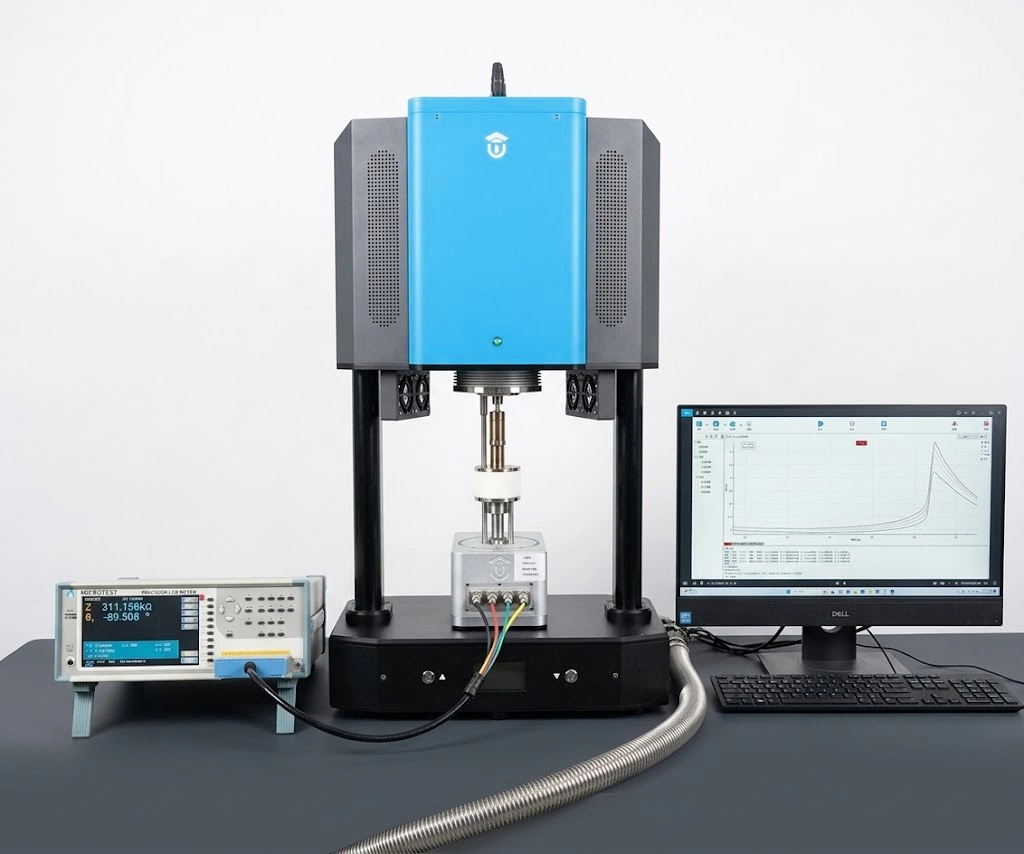
MatMeas DTS1000 High-Temperature Dielectric Impedance Spectrometer
Built on the proven DMS series platform, the MatMeas DTS1000 is a next-generation high-temperature dielectric impedance spectrometer engineered specifically for high-temperature mechanistic research on functional ceramics and advanced dielectric materials. Its modular architecture supports effortless plug-and-play switching between single-channel precision measurement and four-channel high-throughput screening. Across a wide temperature range from room temperature to 1000°C, the DTS1000 delivers fully automated, high-accuracy mapping of dielectric constant, dielectric loss, Curie temperature, and Cole-Cole/Nyquist spectra.
View details →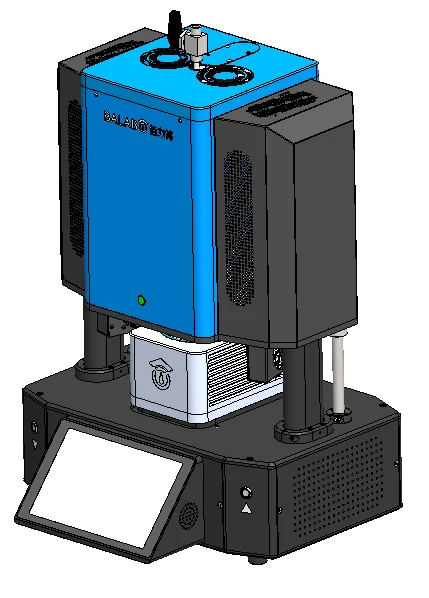
MatMeas DTS10001 High-Temperature Dielectric Testing System
The DTS10001 by MatMeas redefines high-temperature dielectric impedance spectroscopy. Designed for functional ceramics and advanced dielectric research, it features a modular plug-and-play architecture for quick switching between single-channel and 4-channel fixtures, a motorized furnace elevator, and a temperature range of RT-1000°C (long-term up to 850°C) with comprehensive atmosphere controls.
View details →