Overview
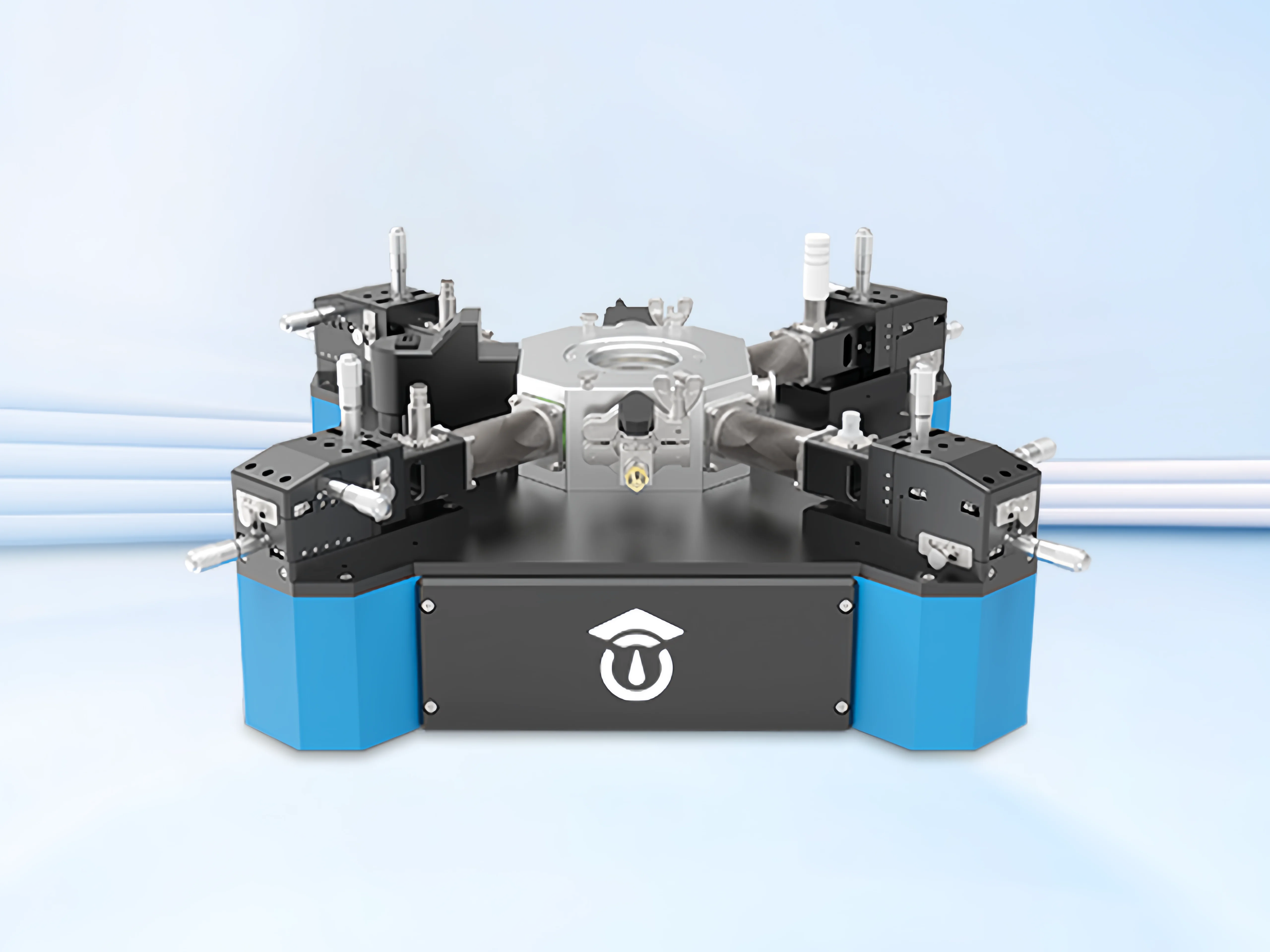
MatMeas CPS7000 High-Low Temperature Dielectric Vacuum Probe Station – a compact benchtop system designed for precise electrical measurements of bulk, thin film, and multilayer materials. The instrument supports a wide temperature range from -160℃ to 450℃ using liquid nitrogen cooling, with excellent temperature stability (±0.5℃) and programmable ramp rates. Equipped with four micro-manipulated probe arms, it enables accurate contacting for diverse tests including dielectric, ferroelectric, piezoelectric, pyroelectric, and TSDC measurements. The CPS7000 is an essential tool for universities, research institutes, aerospace, and high-reliability labs requiring reliable vacuum and variable-temperature probing.
Specifications
| Temperature Range | -160℃ to 450℃ (Liquid nitrogen refrigeration) |
| Temperature Control Accuracy | ±0.5℃ |
| Heating / Cooling Rate | 1~10℃/min (Typical value 3℃/min, program adjustable) |
| Number of Probe Arms | 4 (Semi-automatic operation) |
| Sample Size Capacity | φ < 40 mm, d < 5 mm |
| Optical Observation Window | φ55 mm quartz glass |
| Anti-Vibration Design | Built-in air shock mechanism |
| Supported Modules | Dielectric, Resistance, Pyroelectric, TSDC |
| Dimensions & Weight | 435 × 435 × 205 mm (L×W×H), 25 kg (Desktop design) |
| Power Supply | 220V ±10%, 50Hz |
| Warranty | 1 Year |
Applications
- Ferroelectric & Piezoelectric Materials
- Dielectric Thin Films
- Pyroelectric & TSDC Studies
- Optoelectronic Materials
- Semiconductor Devices
- Multiferroic & Memristor Research
FAQ
How does the CPS7000 compare to traditional cryogenic probe stations like Lake Shore or Janis?
The CPS7000 delivers thermal stability and measurement accuracy directly comparable to premium American brands such as Lake Shore and Janis, at a significantly more accessible price point. Key differentiators include: a proprietary built-in air shock anti-vibration system (eliminating the need for a costly external air-floating table), four independently adjustable micro-manipulated probe arms, a 55 mm quartz optical observation window for in-situ monitoring, and an ultra-wide temperature range of -160°C to 450°C — all within a compact 435×435×205 mm desktop footprint that fits in a standard laboratory bench.How does the system prevent mechanical vibration and ensure stable probe contact during testing?
External vibrations can easily dislodge micro-probes from thin-film electrodes, introducing noise or breaking contact mid-measurement. The CPS7000 addresses this with a proprietary built-in pneumatic shock-absorption and vibration isolation system — integrated directly into the instrument body, so no separate, costly external optical table is required. This guarantees stable, continuous probe contact throughout thermal cycling, completely eliminating data jumping points during heating or cooling sweeps.What types of advanced electrical characterizations can the CPS7000 perform?
The CPS7000 platform supports a comprehensive range of electrical measurement modes: dielectric constant and loss, ferroelectric P-E hysteresis loops, piezoelectric response, pyroelectric current, resistance, and Thermally Stimulated Depolarization Current (TSDC). All measurements are conducted under vacuum across a continuous temperature range from -160°C to 450°C, with four independently positioned probe arms making direct contact with the sample. This makes the CPS7000 suitable for the full characterization workflow of dielectric, ferroelectric, and piezoelectric thin films and bulk materials.Can the CPS7000 measure P-E hysteresis loops of ferroelectric thin films?
Yes. When paired with the MatMeas FEAI1000 Ferroelectric Analyzer and a high-voltage amplifier, the CPS7000 probe station supports full P-E loop (polarization–electric field hysteresis) measurement on thin-film capacitor samples. The probe arms make direct electrical contact with micro-area capacitors formed on substrates, enabling characterization of ferroelectric and piezoelectric thin films such as nitride-based and oxide-based systems.What DC bias voltage range is available for dielectric measurements on thin-film samples?
When configured with an appropriate bias power supply, the CPS7000 system supports DC bias voltages up to ±1000 V for dielectric constant and dielectric loss measurements under DC field. This enables field-dependent dielectric characterization of ferroelectric and piezoelectric thin-film capacitors, including bias-voltage sweeps required for polarization state switching studies.Does the CPS7000 setup support PUND measurements for ferroelectric characterization?
Yes. The CPS7000 + FEAI1000 configuration includes built-in PUND (Positive-Up Negative-Down) measurement capability within the software. PUND separates the true switchable polarization from linear and leakage contributions, providing a more accurate assessment of ferroelectric switching behavior in thin films — particularly important for materials where leakage current would otherwise distort the P-E loop.What is the minimum measurable capacitance for thin-film capacitor samples?
The CPS7000 system is capable of measuring capacitances at the femtofarad (fF) level when connected to a compatible precision impedance analyzer. This sub-picofarad resolution makes it suitable for characterizing micro-area capacitors — such as patterned thin-film capacitors with electrode areas in the range of tens to hundreds of square micrometers — as commonly encountered in ferroelectric and piezoelectric thin-film research.How does the CPS7000 integrate with external analyzers for complete ferroelectric and dielectric characterization?
The CPS7000 is designed as an open platform. For ferroelectric characterization (P-E loops, PUND, fatigue), it pairs with the FEAI1000 Ferroelectric Analyzer and a high-voltage amplifier. For dielectric and impedance measurements under DC bias, it connects to a precision LCR meter or impedance analyzer together with a DC bias power supply. Both configurations are offered as validated, ready-to-use system bundles by MatMeas.How does the optical observation window assist with probe landing on thin-film micro-electrodes?
The CPS7000 chamber cover features a Φ55 mm high-purity quartz glass observation window directly above the sample stage. Researchers can align and land probe tips onto micro-scale electrodes — such as patterned capacitor pads on a thin-film substrate — using a standard laboratory microscope or digital USB camera positioned above the window. This eliminates blind probing and significantly reduces setup time for samples with small or densely packed electrode geometries.Does the CPS7000 support automated multi-step thermal cycling and unattended measurement runs?
Yes. The CPS7000 control software supports fully automated, programmable thermal profiles comprising multiple sequential stages — for example, a controlled cool-down from room temperature to -160°C, a dwell period, a programmed heating ramp to 200°C, and a final return sweep. This allows researchers to run complex temperature-dependent characterization experiments continuously and unattended overnight, with all electrical data logged automatically at each programmed temperature setpoint.Can the CPS7000 perform in-plane electrical poling on thin films using interdigitated electrodes (IDE)?
Yes. When paired with a compatible high-voltage DC source (up to ±5 kV), the CPS7000 probe station supports in-plane contact poling of thin films equipped with interdigitated (comb) electrodes. Its four micro-manipulated probe arms land precisely on patterned electrode contact pads under the Φ55 mm optical observation window. Testing within the vacuum chamber eliminates high-voltage ambient spark-over, while the −160°C to 450°C thermal stage enables thermal poling and controlled field-cooling routines.
Related Products
MatMeas DMS1000 High-Temperature Dielectric Spectrometer
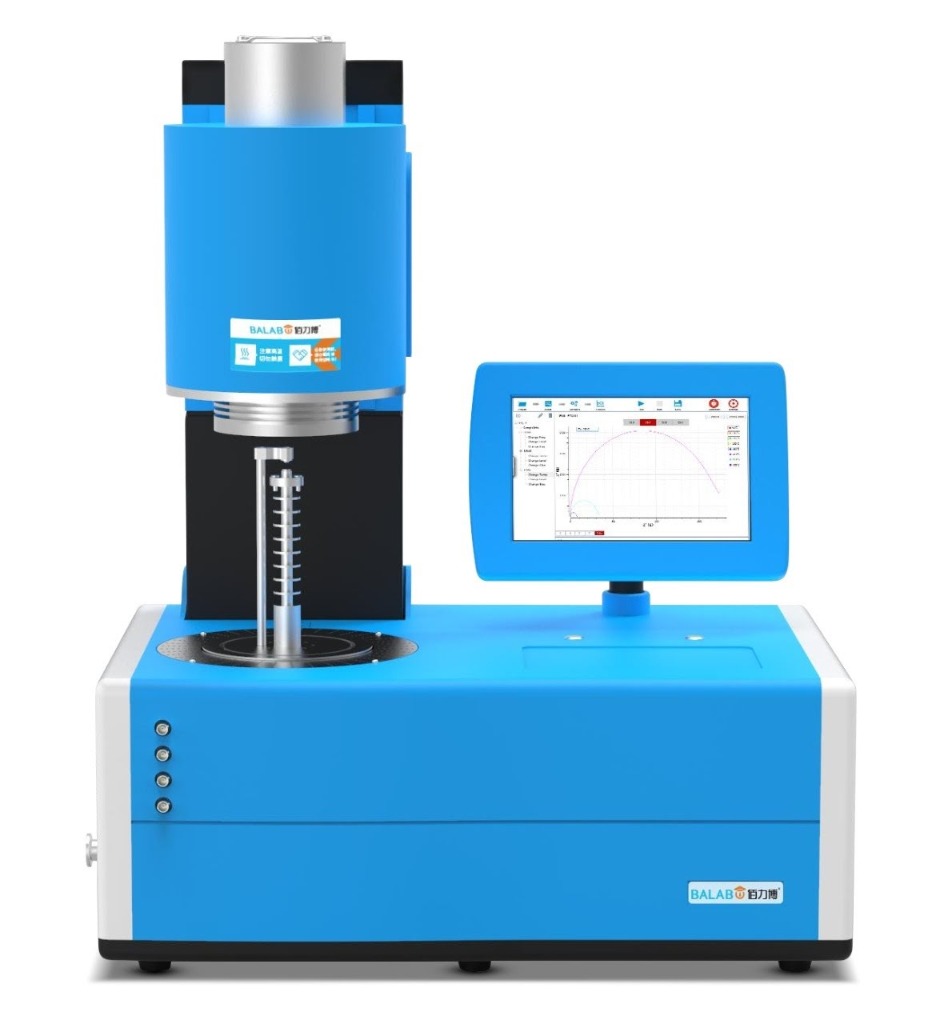
The MatMeas DMS1000 is an advanced High-Temperature Dielectric Impedance Temperature Spectrometer engineered for the ultimate electrical characterization of bulk materials. Delivering an exceptional measurement accuracy of 0.05%, it operates efficiently from Room Temperature (RT) to 1000°C. Its upgraded platform supports both single-sample and four-sample simultaneous measurements. Integrated with a sealable metal shielding system and high-purity platinum electrodes, the DMS1000 enables highly reliable testing across inert, oxidizing, reducing, and vacuum atmospheres, making it an indispensable infrastructure for precision materials science.
View details →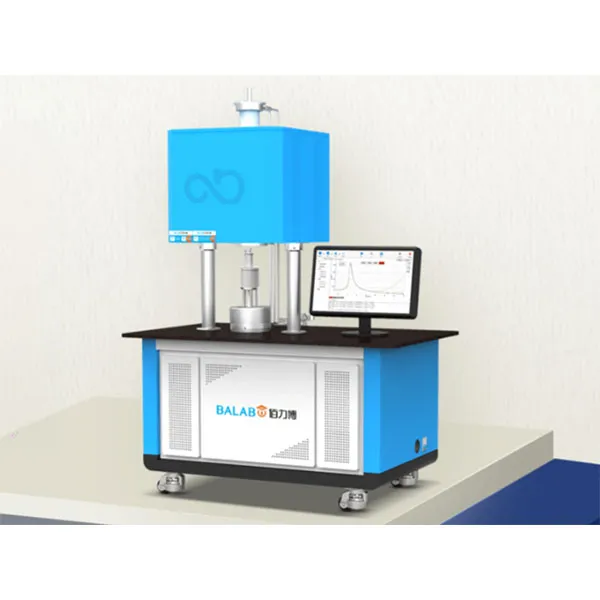
MatMeas DMS1650 Ultra-High Temperature Dielectric Impedance Spectrometer | Dielectric Property Analyzer up to 1600°C
The MatMeas DMS1650 Ultra-High Temperature Dielectric Impedance Spectrometer is designed for dielectric property characterization of materials under extreme temperatures. The system integrates a high-temperature furnace, measurement fixture, and analysis software, enabling precise dielectric constant, dielectric loss, and impedance spectroscopy measurements across a wide frequency range.
View details →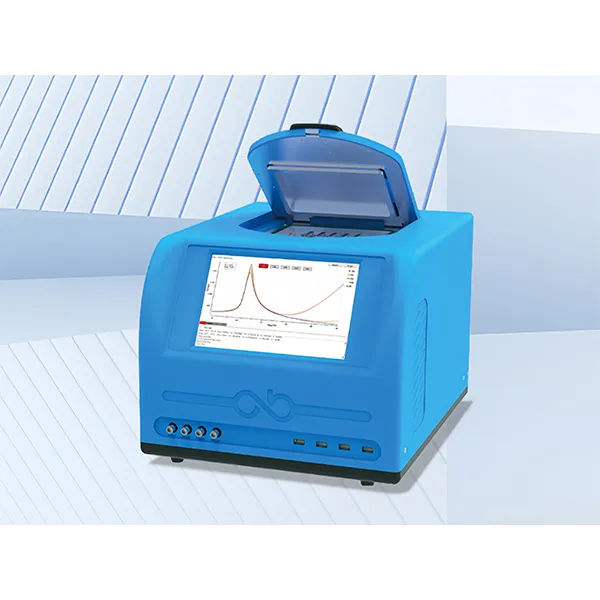
MatMeas DMS2000 High-Low Temperature Dielectric Spectrometer
The MatMeas DMS2000 is an advanced High and Low Temperature Dielectric Impedance Spectrometer engineered for evaluating the dielectric properties of materials under extreme thermal conditions. Compliant with the ASTM D150 standard, it integrates a proprietary LNP-95 liquid nitrogen injection system to achieve seamless continuous temperature variation from -160°C to 450°C. Uniquely featuring a vacuum-enabled sample chamber to completely prevent thermal frosting and eliminate false water peaks near 0°C, along with versatile options for single-sample or five-sample simultaneous testing, the DMS2000 ensures unparalleled data fidelity and high throughput for advanced scientific research.
View details →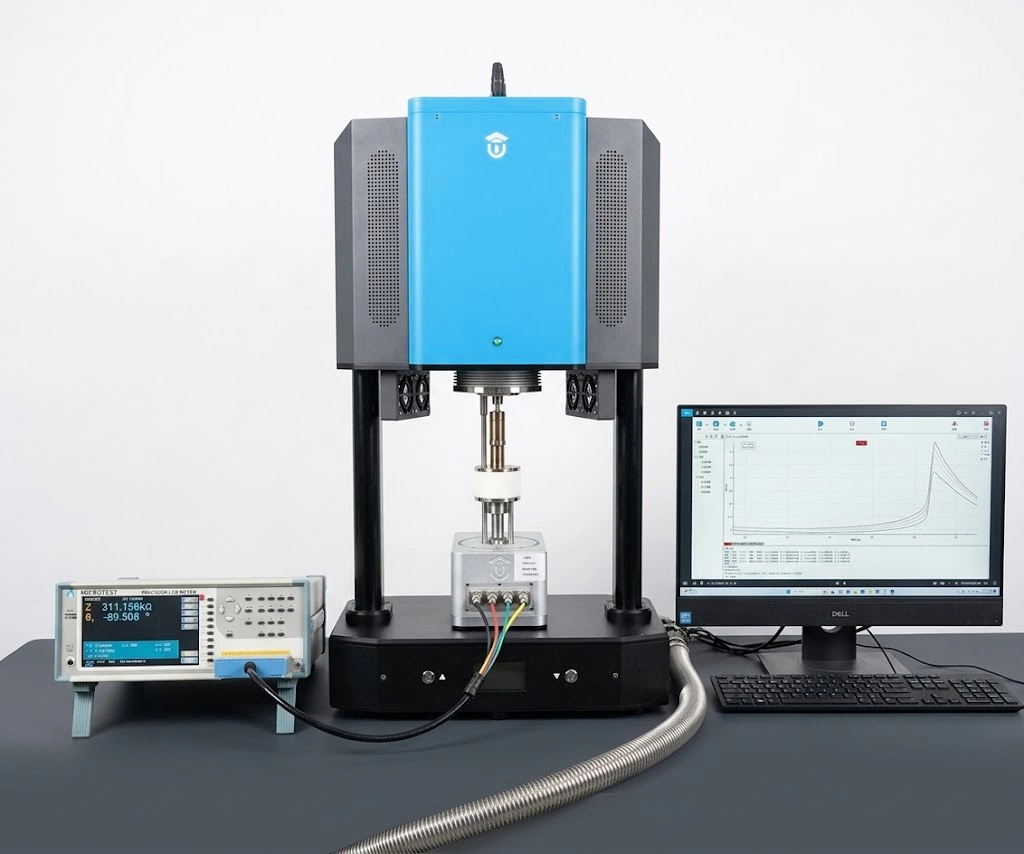
MatMeas DTS1000 High-Temperature Dielectric Impedance Spectrometer
Built on the proven DMS series platform, the MatMeas DTS1000 is a next-generation high-temperature dielectric impedance spectrometer engineered specifically for high-temperature mechanistic research on functional ceramics and advanced dielectric materials. Its modular architecture supports effortless plug-and-play switching between single-channel precision measurement and four-channel high-throughput screening. Across a wide temperature range from room temperature to 1000°C, the DTS1000 delivers fully automated, high-accuracy mapping of dielectric constant, dielectric loss, Curie temperature, and Cole-Cole/Nyquist spectra.
View details →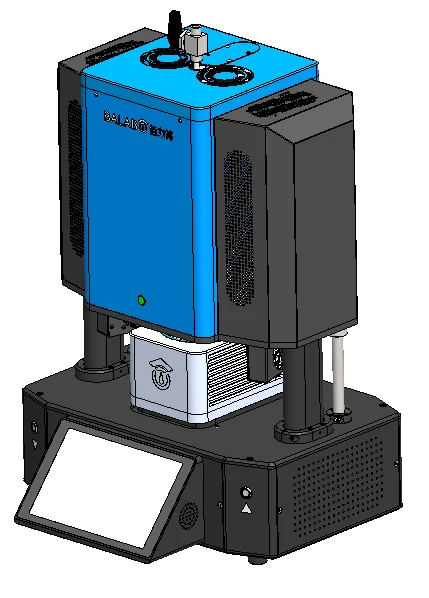
MatMeas DTS10001 High-Temperature Dielectric Testing System
The DTS10001 by MatMeas redefines high-temperature dielectric impedance spectroscopy. Designed for functional ceramics and advanced dielectric research, it features a modular plug-and-play architecture for quick switching between single-channel and 4-channel fixtures, a motorized furnace elevator, and a temperature range of RT-1000°C (long-term up to 850°C) with comprehensive atmosphere controls.
View details →
Technical Guides & Application Notes
Measurement Methods & Metrology Guides
Explore standardized testing procedures, waveform analyses, and physical metrology implemented on this instrument platform.
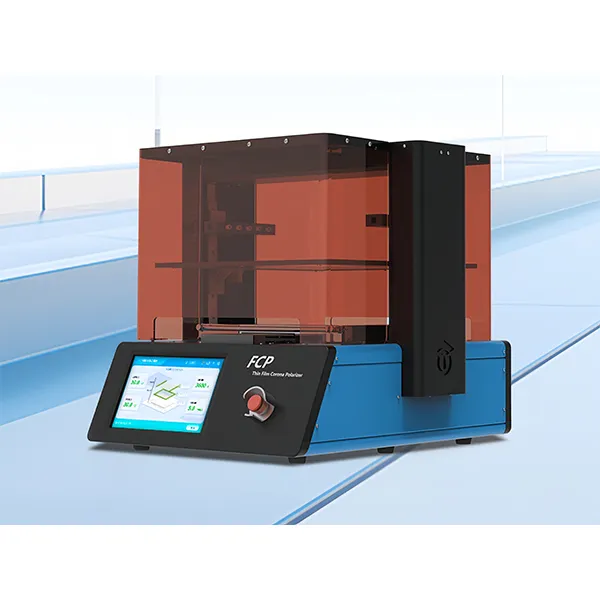
How to Pole Novel 1–5 μm Piezoelectric Thin Films on FTO/ITO and Flexible Substrates: Engineering Selection Guide
A comprehensive engineering guide for poling 1–5 μm novel lead-free piezoelectric thin films on FTO/ITO and flexible substrates, analyzing non-contact corona poling versus contact probe poling, parameter scaling, and experimental SOPs.
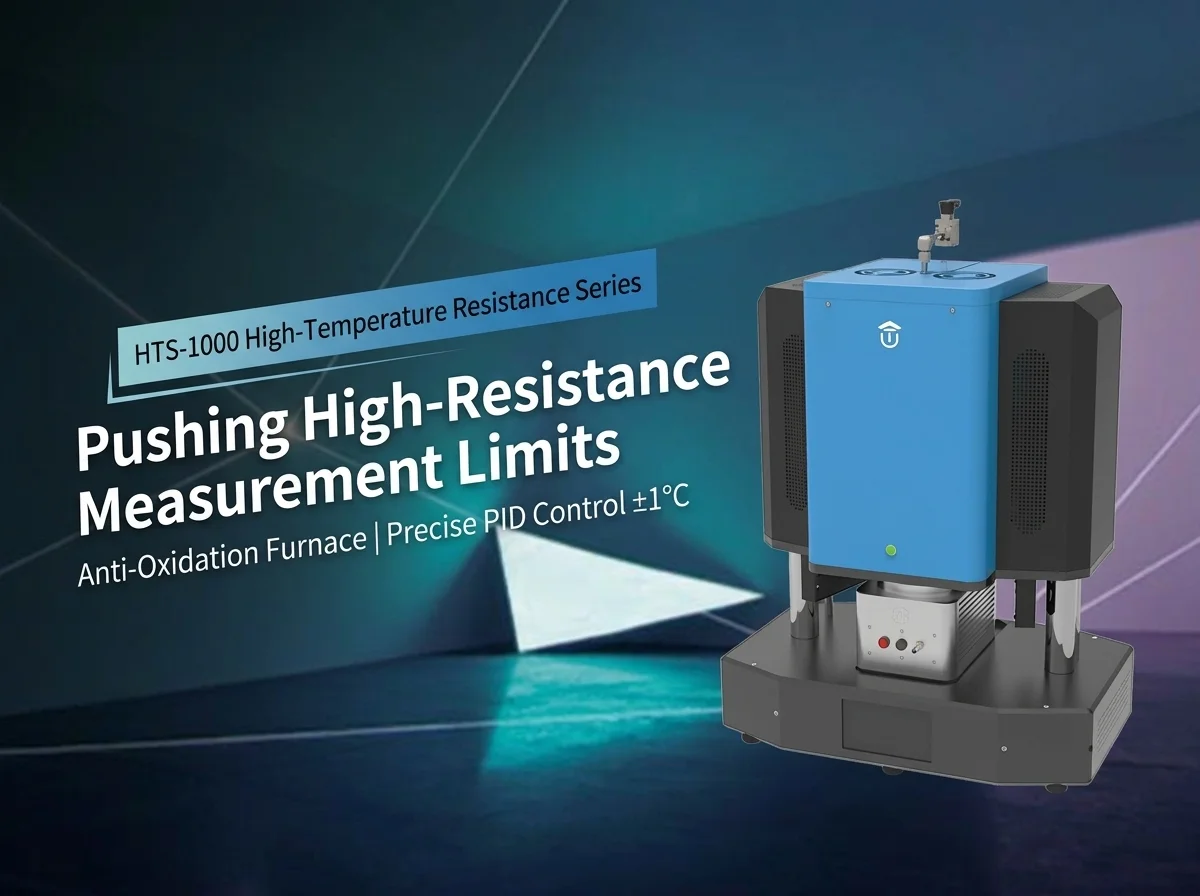
High-Temperature Resistance Testing: Measurement Challenges and Systems
An engineering guide to high-temperature resistance testing, analyzing thermal expansion, electrode oxidation, contact resistance, and advanced characterization systems.
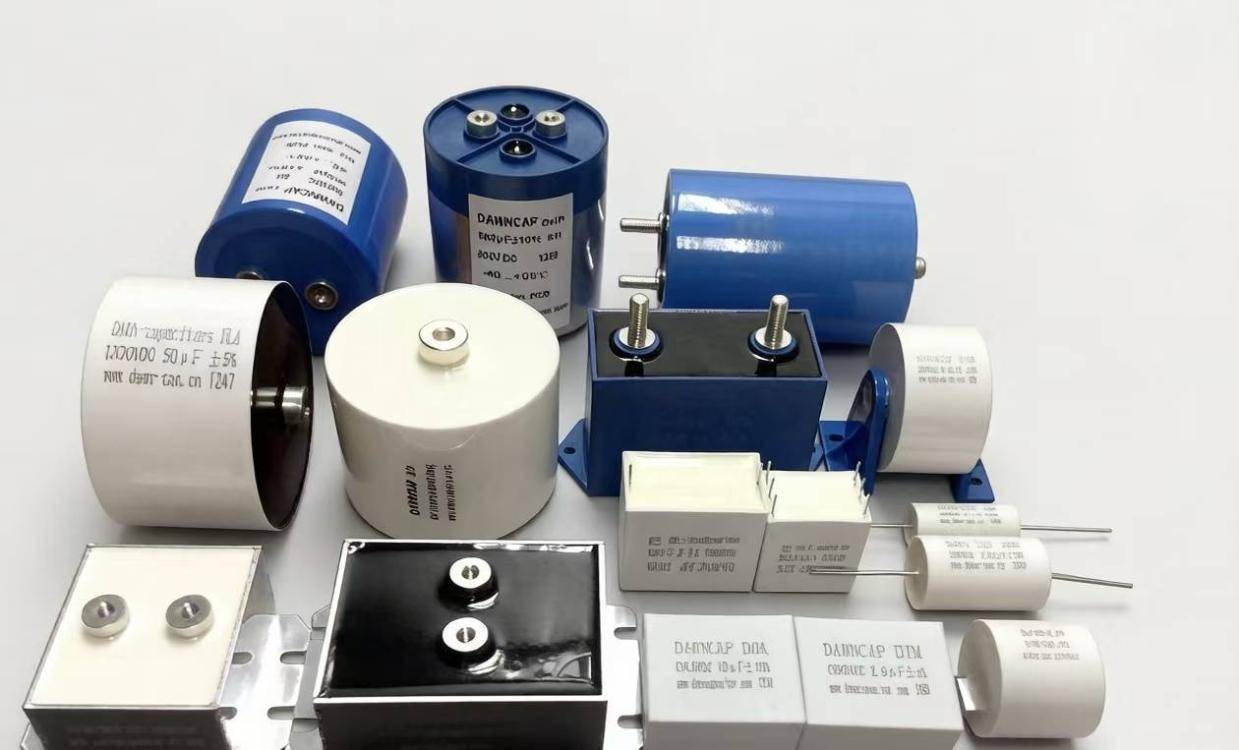
MLCC Capacitor Electrical Performance Testing
Discover how advanced MLCC testing—including ESR, loss factor, and aging analysis—secures the reliability of high-speed computing and automotive electronics.
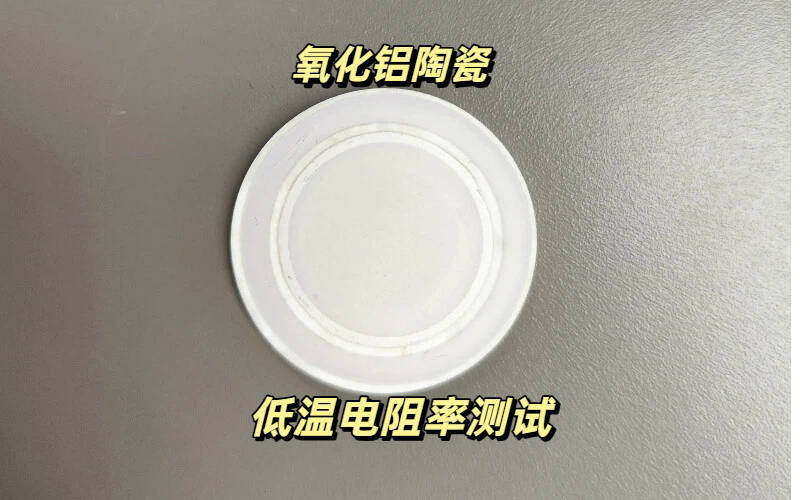
Alumina Ceramic Low Temperature Resistivity Testing
Discover how cryogenic resistivity testing of alumina ceramics ensures insulation reliability for aerospace, deep-space, and superconducting applications.
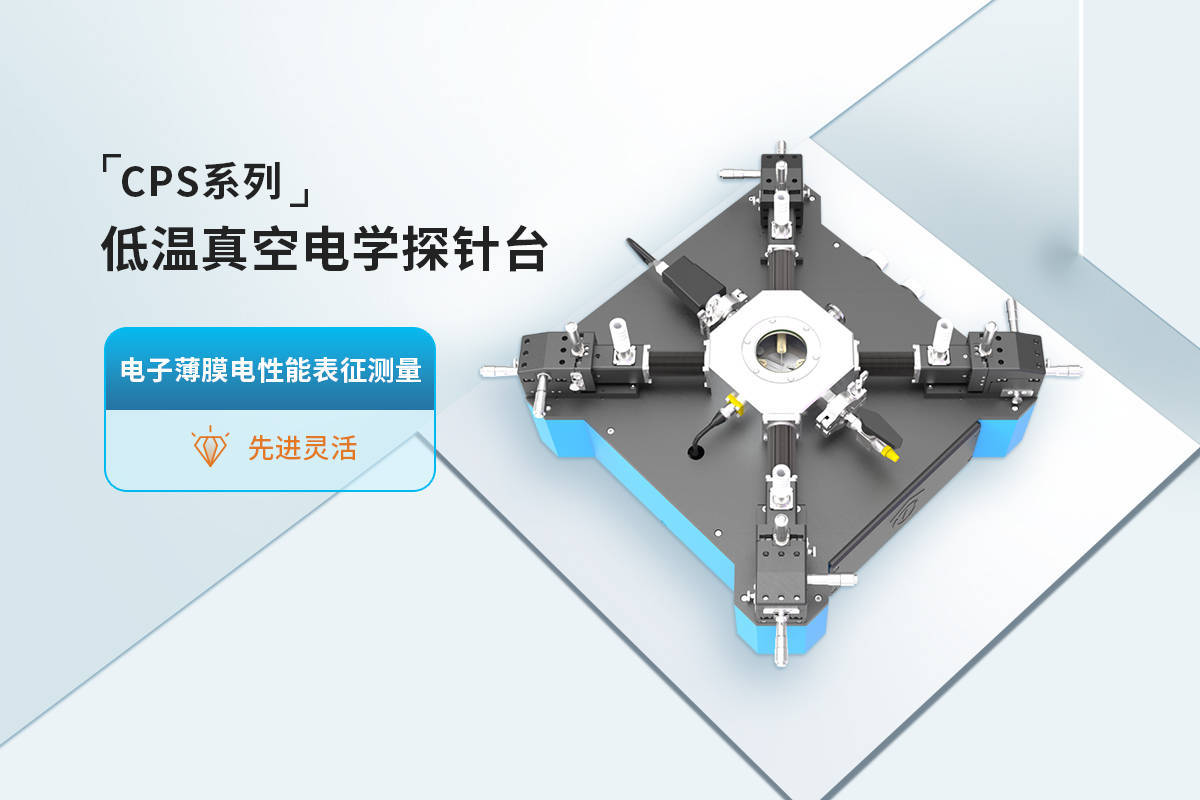
Thermally Stimulated Depolarization Current (TSDC) Testing
Discover how TSDC testing analyzes dipole relaxation and defect trap states. Learn the physics of thermal stimulation for polymers, ceramics, and semiconductors.
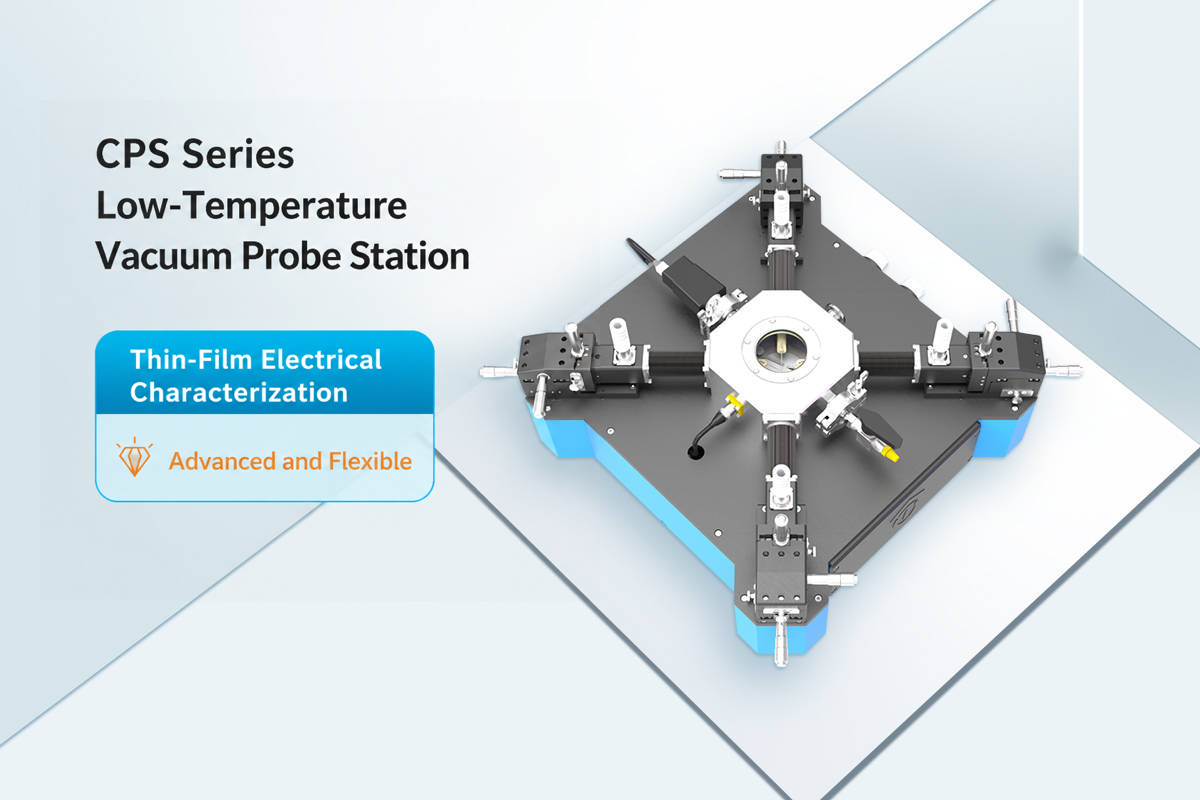
TSDC Testing for In-Situ Polarization of Thin Films
A practical overview of thermally stimulated depolarization current testing for thin films, from polarization and freezing to spectrum analysis.
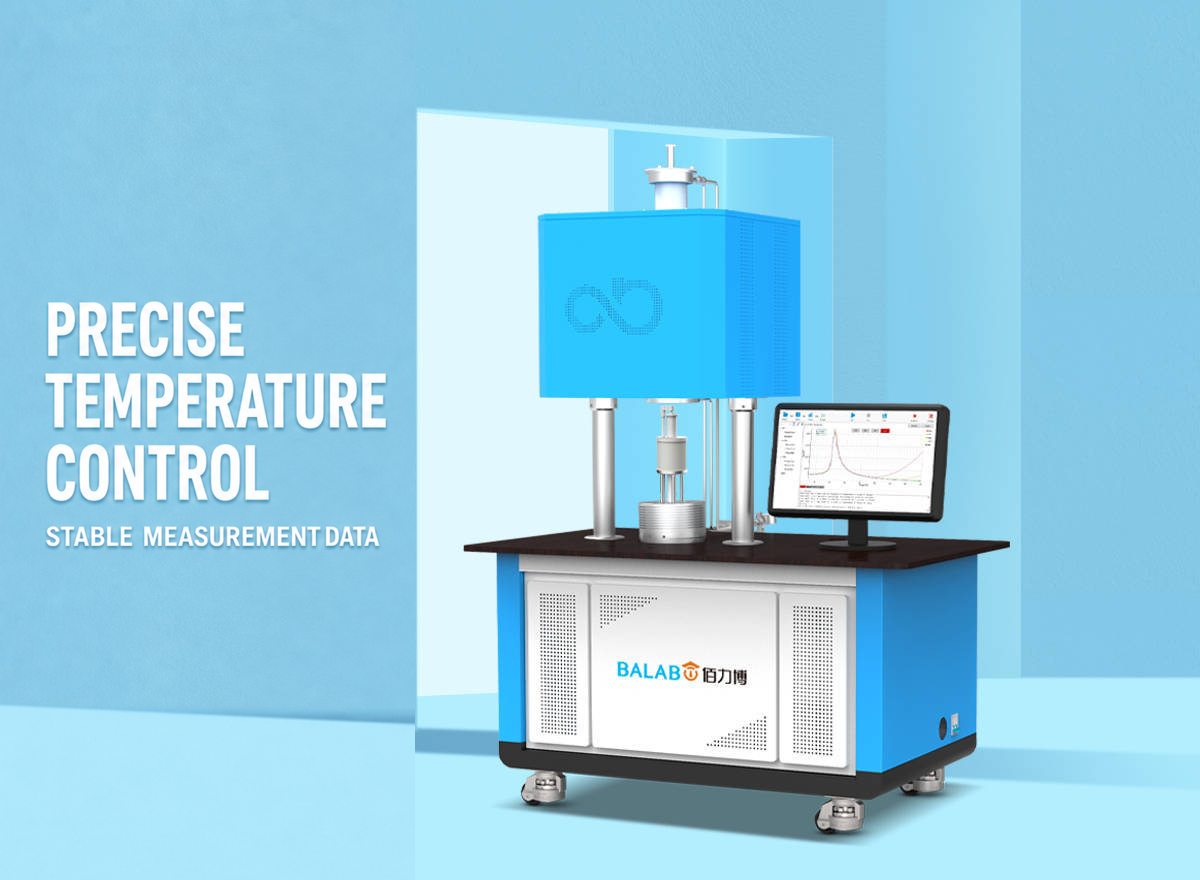
High-Temperature Broadband Dielectric Testing of Ceramic Substrates
How to characterize ceramic substrate permittivity and dielectric loss across temperature and frequency while controlling electrodes, fixtures, and thermal equilibrium.
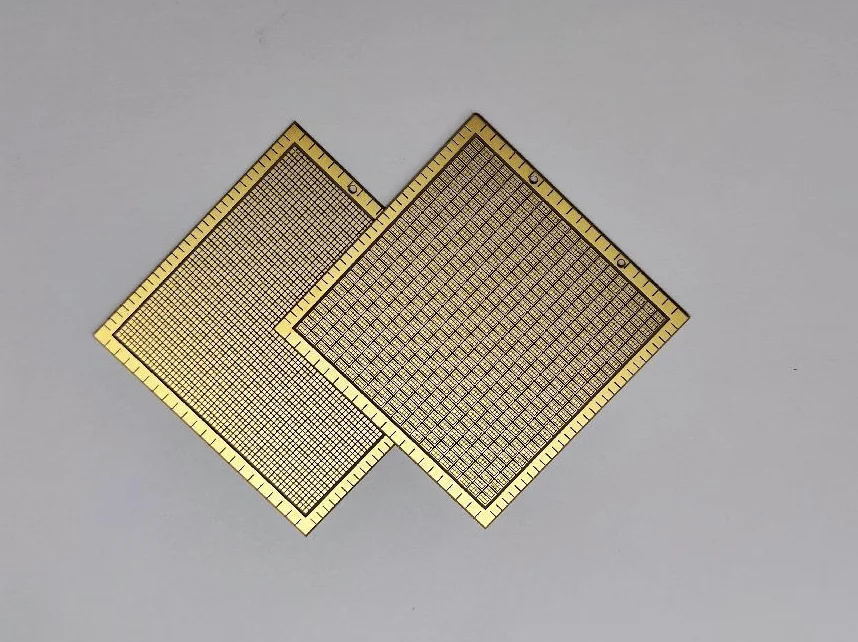
Dielectric and Impedance Characterization of Ceramic Substrates: Brick-Layer Modeling and Spectrum Analysis
How frequency- and temperature-dependent dielectric and impedance measurements reveal loss mechanisms, conductivity, interfaces, and thermal stability in ceramic substrates.
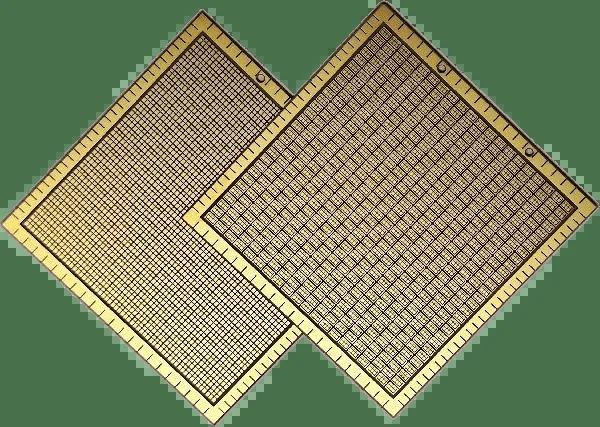
Measuring the Relative Permittivity of Ceramic Substrates
A method-selection guide for measuring ceramic substrate permittivity, from parallel-plate capacitance to resonant and transmission-line techniques.
Ionic Conductivity Testing of Glass by Impedance Spectroscopy
A technical guide to ionic conductivity testing of solid-electrolyte glasses, covering EIS Nyquist deconvolution, Arrhenius analysis, and blocking electrode metrology.
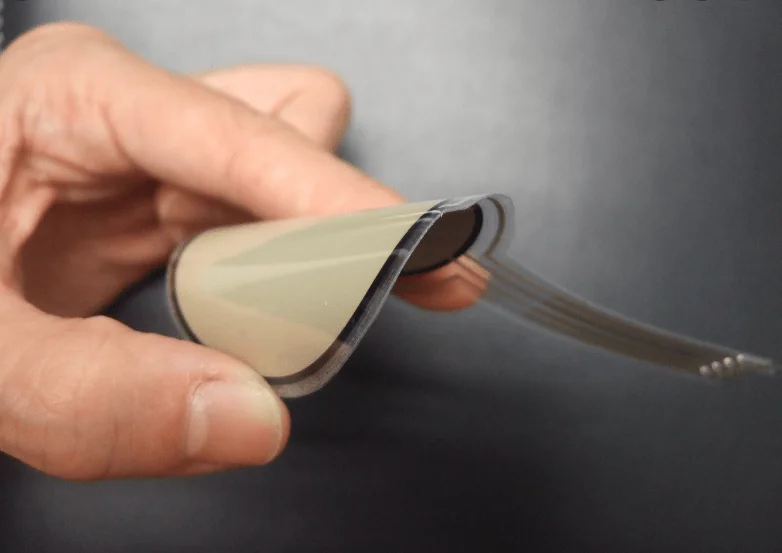
Dielectric and Impedance Spectroscopy of Piezoelectric Thin Films
A technical guide to piezoelectric thin-film impedance spectroscopy, covering BVD equivalent circuit modeling, RF parasitics de-embedding, and FBAR resonance.
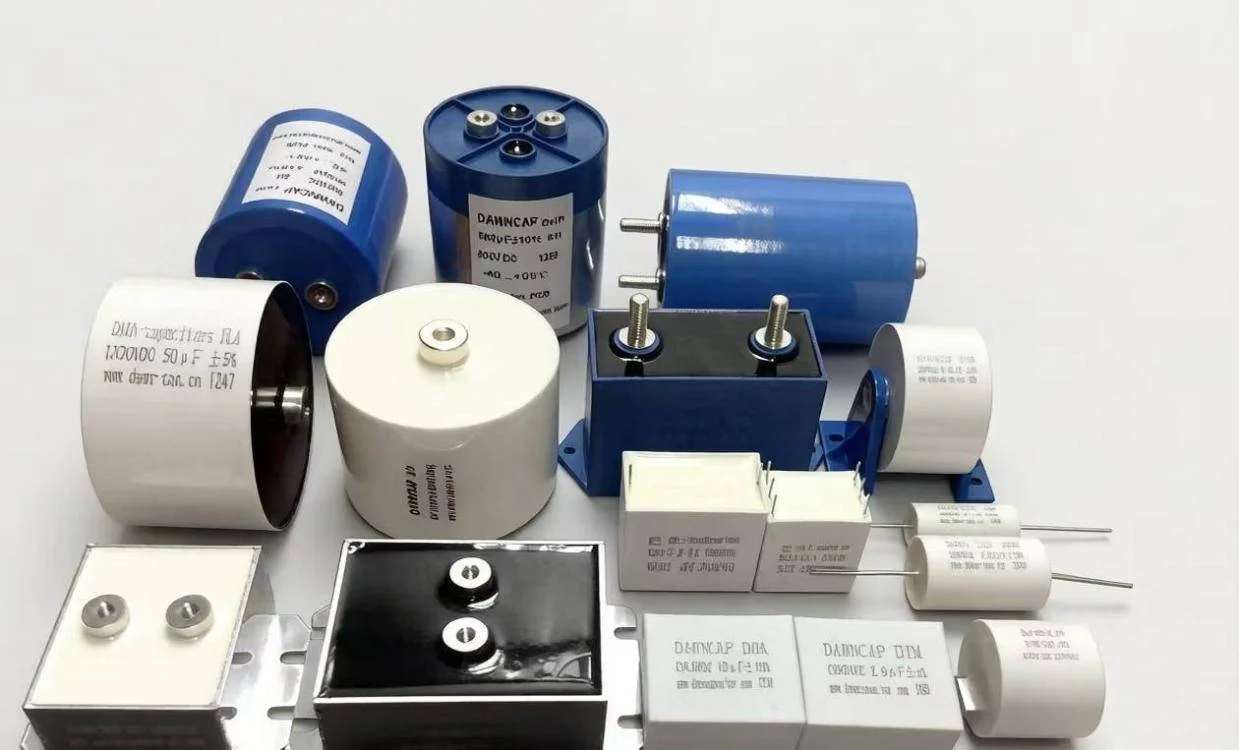
Electrical Characterization of Multilayer Ceramic Capacitors
A technical guide to MLCC electrical testing, covering self-resonant frequency, non-linear DC bias derating, 4TP Kelvin impedance, and HALT life models.
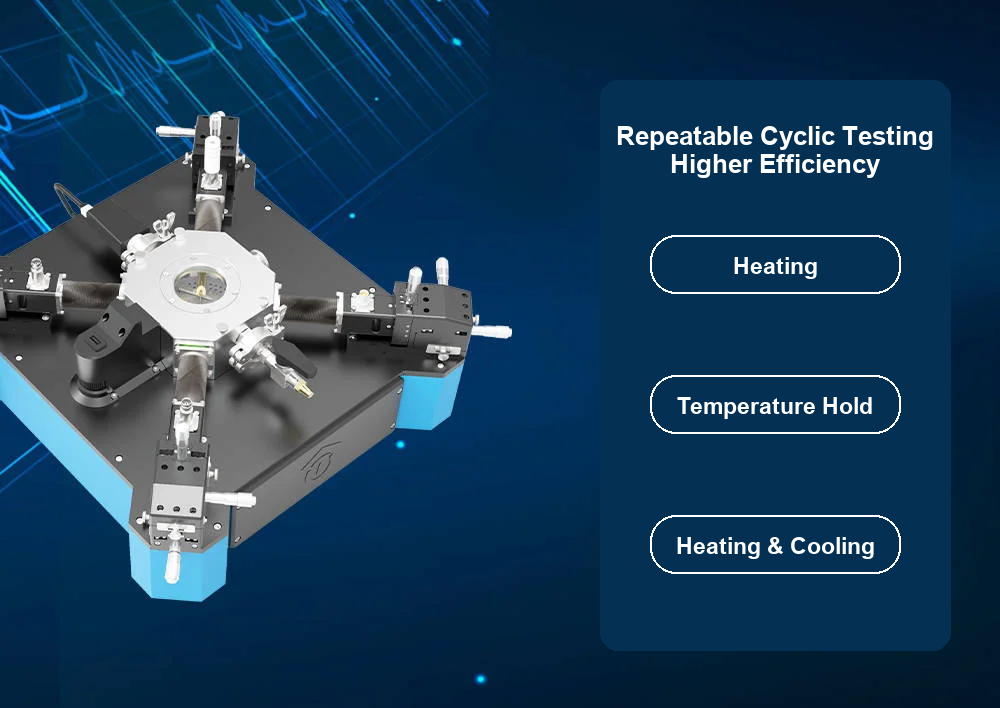
Thermally Stimulated Depolarization Current Testing of Piezoelectric Ceramics
A technical guide to TSDC testing of piezoelectric ceramics, covering the BFG relaxation equation, Garlick-Gibson slope analysis, and cryogenic probe metrology.