Overview
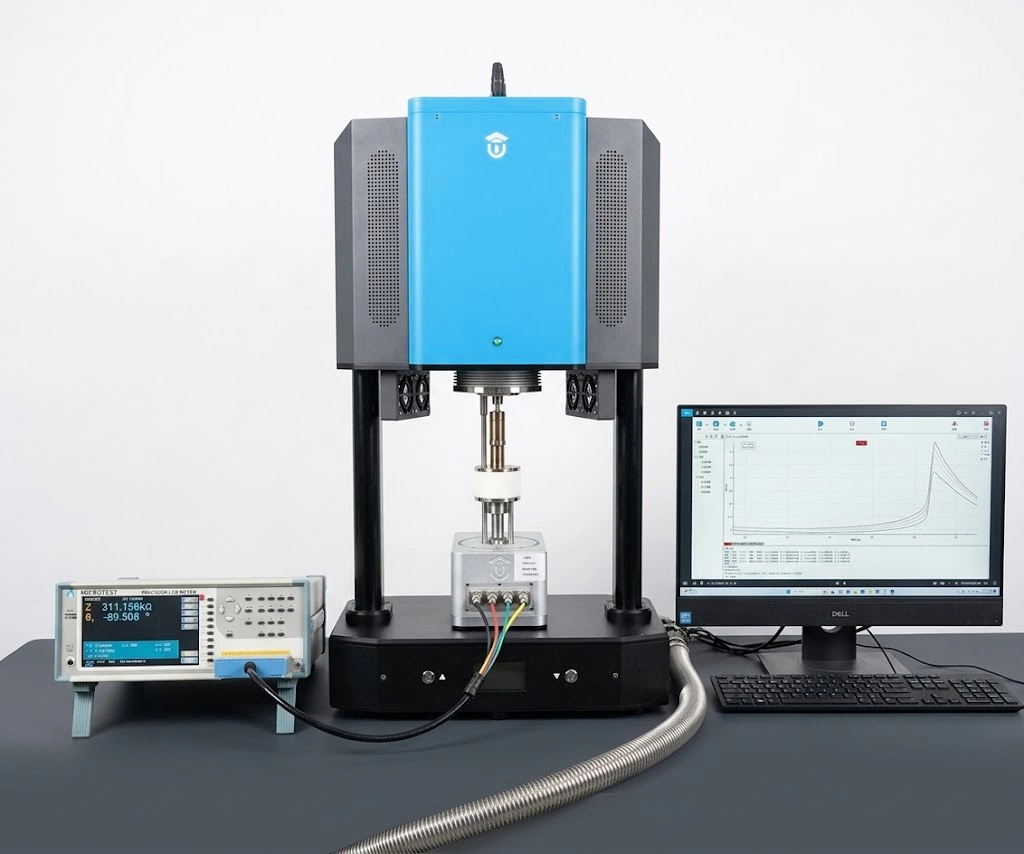
The MatMeas DTS1000 is a next-generation high-temperature dielectric impedance spectrometer built on the proven DMS series platform. Designed for demanding mechanistic research on functional ceramics and advanced dielectric materials, it combines exceptional precision with robust reliability.
The instrument features a modular architecture that supports single-channel (1CH) and four-channel (4CH) fixture configurations with true plug-and-play convenience, enabling researchers to transition seamlessly from high-precision single-sample characterization to high-throughput multi-sample screening without hardware reconfiguration.
Across a continuous temperature range from room temperature to 1000°C, the DTS1000 automatically and accurately measures dielectric constant, dielectric loss, Curie temperature, and generates Cole-Cole and Nyquist impedance diagrams. Its outstanding stability and accuracy make it the instrument of choice for frontier research in aerospace materials, semiconductor packaging, and next-generation energy storage materials.
Specifications
| Parameter | Specification |
| Measurement Channels | Single-channel / Four-channel (selectable) |
| Temperature Range | RT to 1000°C (continuous operation up to 850°C) |
| Heating Rate | 0–10°C/min (typical: 3°C/min) |
| Temperature Control Accuracy | ±0.5°C |
| Frequency Range | 1 Hz ~ 10 MHz (broadband impedance/dielectric) |
| Measurement Accuracy | 0.05% (subject to analyzer accuracy) |
| Measurement Environment | Air / Flowing gas / Vacuum (selectable) |
| Electrode Material | Platinum |
| Recommended Sample Size | Φ = 8–12 mm (standard 10 mm), t = 0.4–2 mm (bulk pellets & thin discs) |
| Sample Types | Bulk pellets, thin wafers, thin-film samples with top/bottom electrodes |
| Power Supply | 220–240 V / 50 Hz |
| Power Consumption | 1 kW |
| Operating Temperature | 10–35°C |
| Operating Humidity | 45–65% RH |
| Dimensions (L × W × H) | 480 × 320 × 830 mm |
| Weight | 50 kg |
| Warranty | 1 Year |
Applications
- Dielectric & Ferroelectric Ceramics
Measurement of dielectric constant, dielectric loss, Curie temperature, and impedance Nyquist / Cole-Cole plots for functional ceramics, piezoelectric ceramics, and dielectric substrates. - Electronic & Semiconductor Materials
Characterization of capacitor dielectrics, insulating substrates, and semiconductor packaging materials at elevated temperatures. - Polymer Dielectrics
Temperature-resolved dielectric analysis of polymer films and polymer-ceramic composite materials. - Energy Storage Materials
Dielectric property investigation for next-generation energy storage ceramics and high-density capacitor materials. - Aerospace & Advanced Functional Materials
High-temperature electrical characterization of materials used in aerospace, space, and frontier research applications.
FAQ
How does the DTS1000 overcome the throughput bottleneck of single-channel high-temperature impedance testing?
Traditional single-channel setups require hours for a single thermal cycle, creating massive bottlenecks in functional ceramics R&D. The MatMeas DTS1000 eliminates this with a modular architecture that seamlessly switches to a 4-channel high-throughput mapping mode, allowing researchers to screen four distinct dielectric samples simultaneously up to 1000°C without sacrificing measurement precision.How does the DTS1000 ensure temperature accuracy and eliminate electrical interference?
The DTS1000 uses a coplanar temperature sensor positioned directly at the sample surface, so every temperature reading reflects the actual sample temperature rather than the furnace environment. A sealed metal shielding enclosure surrounds the measurement cell, completely blocking AC field interference — the result is smoother curves with fewer noise artifacts compared to unshielded systems.How does the fixture design protect fragile ceramic samples?
The fixture uses a spring-loaded self-weight mechanism that applies controlled, repeatable contact force to the sample. This design keeps the platinum electrodes in firm contact throughout thermal cycling without cracking or chipping brittle ceramic discs. The contact pressure and temperature are both factory-calibrated against certified BaTiO3 reference samples before shipment.What measurement types does the DTS1000 support, and can it run multiple samples at once?
The DTS1000 supports dielectric constant, dielectric loss (tan δ), Curie temperature mapping, and complex impedance analysis including Cole-Cole and Nyquist plots — all generated automatically within a single temperature sweep. The modular fixture platform lets researchers switch between a single-channel configuration for high-precision work and a four-channel configuration for parallel screening of up to four samples, all without rewiring or system reconfiguration.What measurement atmospheres and sample types are supported?
The sealed furnace chamber accommodates air, flowing inert or reactive gas, and vacuum environments via a dedicated atmosphere interface. The system accepts bulk pellets, thin wafers, and thin-film samples with top and bottom electrode configurations — covering the sample geometries most commonly used in ceramics and dielectric materials research.Can polymer films and organic dielectric materials be measured on the DTS1000?
Yes. The DTS1000 supports polymer dielectric characterization across a wide temperature range. The low-temperature end of the heating profile and the adjustable ramp rate (0–10°C/min) allow gentle, controlled sweeps suitable for thermoplastic films, polymer-ceramic composites, and other organic dielectrics — materials that would degrade under the aggressive ramp rates of conventional high-temperature furnaces.Is the DTS1000 suitable for measuring solid electrolytes and battery materials?
Yes. The DTS1000 is well suited to ionic conductor characterization. Its atmosphere control interface allows vacuum or inert gas environments that protect air-sensitive solid electrolytes during measurement. Impedance spectroscopy mode (Cole-Cole / Nyquist plots) is directly applicable to ionic conductivity analysis in solid-state battery materials and oxide electrolytes.Can thin-film or powder samples be tested, and what electrode preparation is recommended?
The DTS1000 accepts thin-film samples with pre-deposited top and bottom electrodes, as well as compressed powder pellets. For thin films, platinum sputtered electrodes are recommended for high-temperature stability. Powder samples should be pressed into pellets (recommended diameter Φ 8–12 mm, thickness 1–2 mm) and painted with platinum or silver paste before loading. Custom fixtures for non-standard geometries are available on request.Is an English software interface available, and can data be exported to Excel?
Yes. The DTS1000 software is available with a full English-language interface, making it accessible for international research teams. All measurement results — dielectric constant, dielectric loss, impedance spectra, and temperature curves — can be exported directly in Excel-compatible formats (.xlsx / .csv) for immediate further analysis or publication-ready data processing.What calibration, custom fixtures, and after-sales support does MatMeas provide?
Every DTS1000 ships pre-calibrated against certified reference samples. Custom sample fixtures for non-standard geometries — including oversized wafers, thin substrates, or special electrode configurations — are available through the MatMeas accessories program. Remote installation guidance and on-site training are offered at the time of commissioning, and the system carries a standard 1-year warranty with continued technical support.Which LCR meters and impedance analyzers are compatible with the DTS1000?
The DTS1000 uses an open measurement interface compatible with industry-standard LCR meters and impedance analyzers. Recommended configurations include the Keysight E4990A and the Tonghui TH2838 series — both covering the full frequency range of the DTS1000 (up to 10 MHz). International research institutions such as the Australian National University (ANU) integrate the DTS1000 with Keysight analyzers for high-temperature dielectric studies of advanced functional materials. MatMeas sales engineers can also recommend pre-configured turnkey bundles.Does the DTS1000 fully support electrochemical impedance spectroscopy (EIS)?
Yes. In combination with the HTS measurement software, the DTS1000 fully supports high-temperature impedance spectroscopy. The software automatically generates Nyquist plots (Z'' vs Z'), Bode diagrams (|Z| and phase angle vs frequency), and admittance plots across the entire programmed temperature and frequency range — all without manual post-processing. This makes the DTS1000 a complete platform for equivalent circuit fitting and ionic conductivity analysis of ceramics, solid electrolytes, and other functional materials.Can measurements be performed under an oxygen-rich or controlled oxygen atmosphere?
Yes. The DTS1000's high-purity platinum electrodes and oxidation-resistant sample fixtures allow safe operation under ambient air or controlled oxygen-rich flowing gas environments. This is particularly relevant for characterizing transition metal oxides, mixed ionic-electronic conductors, and materials whose dielectric or impedance properties are sensitive to oxygen partial pressure at elevated temperatures.How does the DTS1000 compensate for sample thermal expansion during high-temperature measurement?
The DTS1000 uses a vertically downward-opening furnace design in which the heating element opens downward while the sample fixture remains stationary. A spring-loaded self-adjusting contact mechanism continuously compensates for sample dimensional changes during thermal cycling, maintaining consistent electrode contact force regardless of thermal expansion or contraction — preventing the data scatter caused by intermittent contact loss that commonly affects uncompensated systems.What parameters does the HTS software calculate and display automatically?
The HTS measurement software automatically calculates and plots in real-time: the real and imaginary parts of the dielectric permittivity (ε' and ε''), dielectric loss (tan δ), complex impedance components (Z' and Z''), and AC conductivity (σ) — all as functions of both temperature and frequency. Cole-Cole and Nyquist diagrams are generated automatically within a single measurement sweep, eliminating the need for manual data reduction and enabling direct export in CSV or Excel-compatible formats for publication-ready processing.Can the DTS1000 measure 10 mm bulk ceramic pellets up to 700°C, and how does it handle thin or fragile samples?
Yes. The DTS1000 standard high-temperature fixture is optimized for bulk functional ceramic pellets (Φ = 8–12 mm, thickness 1–2 mm), perfectly accommodating standard 10 mm diameter disks. It operates continuously up to 850°C (1000°C peak), fully covering 700°C phase-transition and Curie-temperature measurements. To protect fragile ceramic samples during thermal expansion, the system utilizes high-purity platinum electrodes with a factory-calibrated spring self-weight design (≤ 0.25 N). For thinner ceramic pellets (< 1 mm, such as 0.4–0.8 mm), custom low-force fixtures and geometric capacitance compensation can be evaluated by our technical engineering team upon request.What components are included in the complete turnkey high-temperature dielectric measurement setup?
MatMeas provides a 100% turnkey, ready-to-test package requiring no third-party assembly. A complete setup includes: (1) High-temperature shielded furnace (RT to 1000°C with integrated metal shielding against AC interference); (2) Precision sample fixture with high-purity platinum parallel-plate electrodes and coplanar thermocouple; (3) Intelligent PID temperature controller (multi-segment program heating with ±0.5°C accuracy); (4) Wideband impedance analyzer unit (1 Hz / 10 Hz to 10 MHz, or up to 30 MHz, with 0.05% basic accuracy); (5) Automated data acquisition software with real-time plotting of εr, ε'', tan δ, and Nyquist/Cole-Cole curves; (6) Full accessories and workstation including pre-configured Dell PC workstation, low-noise shielded BNC test leads, and certified BaTiO3 calibration standards.
Related Products
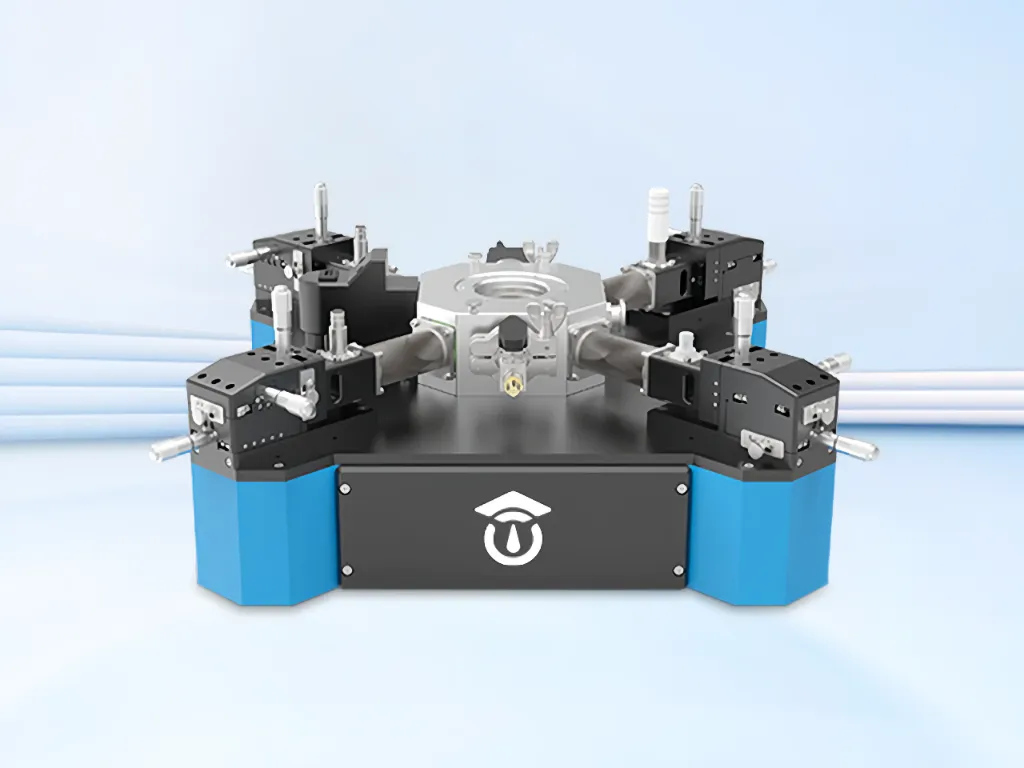
CPS7000 High-Low Temperature Dielectric Vacuum Probe Station
The MatMeas CPS7000 is an advanced, highly integrated desktop High-Low Temperature Dielectric Vacuum Probe Station engineered for the rigorous electrical characterization of thin films, bulk materials, and semiconductor wafers. Delivering performance directly comparable to industry-leading American brands like Lake Shore and Janis, this compact platform offers an ultra-wide temperature range from -160°C to 450°C via liquid nitrogen cooling. Uniquely equipped with a proprietary built-in air shock anti-vibration system, the CPS7000 eliminates data jumping points during continuous temperature variations. Supporting complex high-voltage and low-current testing environments, it is the ultimate infrastructure for evaluating dielectric, piezoelectric, ferroelectric, and TSDC properties in high-vacuum conditions.
View details →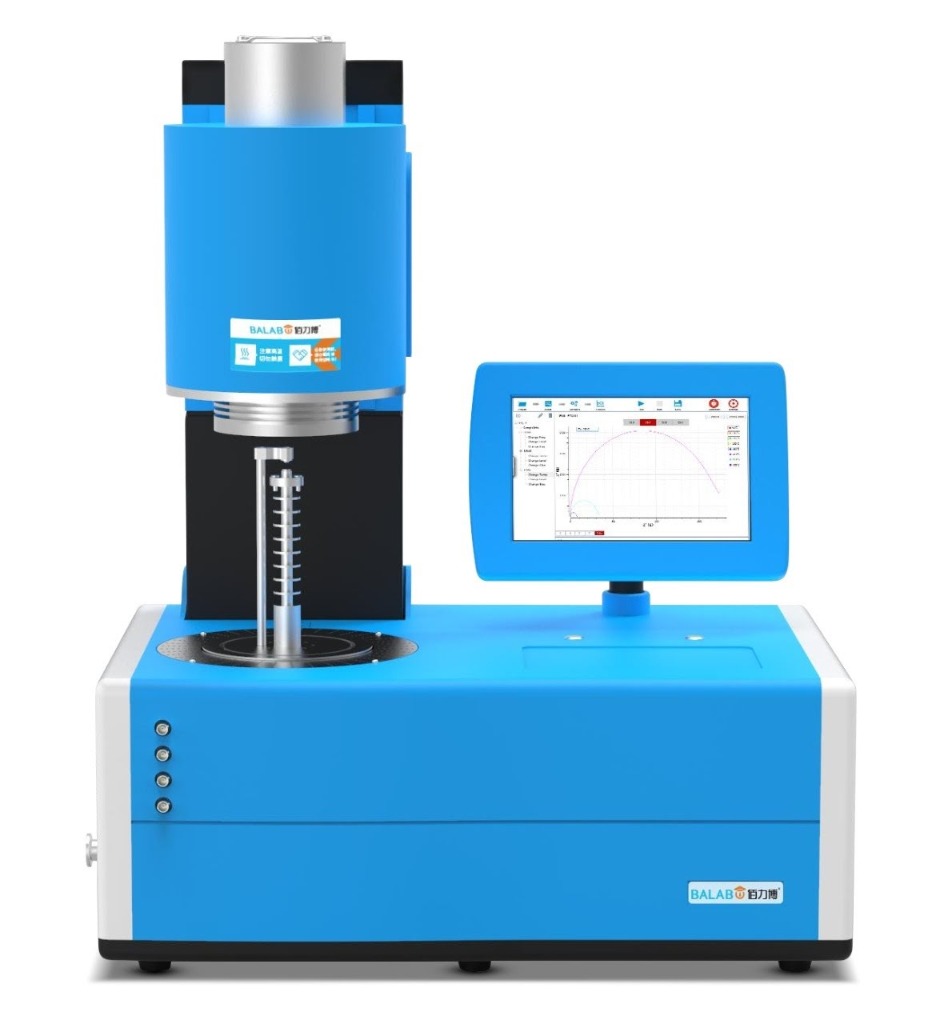
MatMeas DMS1000 High-Temperature Dielectric Spectrometer
The MatMeas DMS1000 is an advanced High-Temperature Dielectric Impedance Temperature Spectrometer engineered for the ultimate electrical characterization of bulk materials. Delivering an exceptional measurement accuracy of 0.05%, it operates efficiently from Room Temperature (RT) to 1000°C. Its upgraded platform supports both single-sample and four-sample simultaneous measurements. Integrated with a sealable metal shielding system and high-purity platinum electrodes, the DMS1000 enables highly reliable testing across inert, oxidizing, reducing, and vacuum atmospheres, making it an indispensable infrastructure for precision materials science.
View details →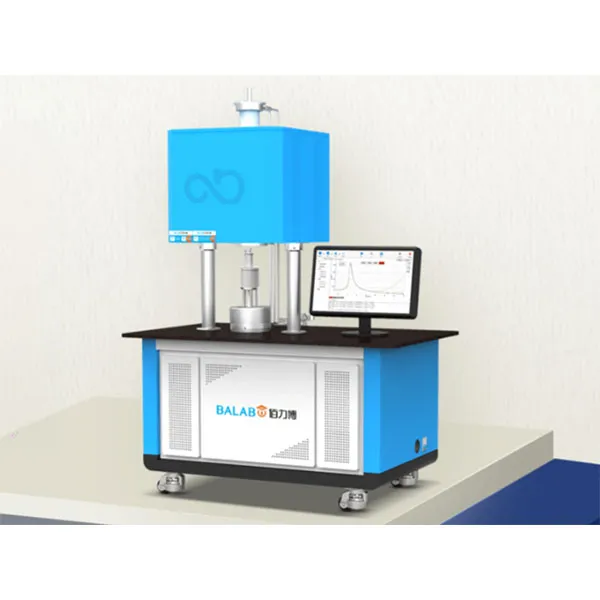
MatMeas DMS1650 Ultra-High Temperature Dielectric Impedance Spectrometer | Dielectric Property Analyzer up to 1600°C
The MatMeas DMS1650 Ultra-High Temperature Dielectric Impedance Spectrometer is designed for dielectric property characterization of materials under extreme temperatures. The system integrates a high-temperature furnace, measurement fixture, and analysis software, enabling precise dielectric constant, dielectric loss, and impedance spectroscopy measurements across a wide frequency range.
View details →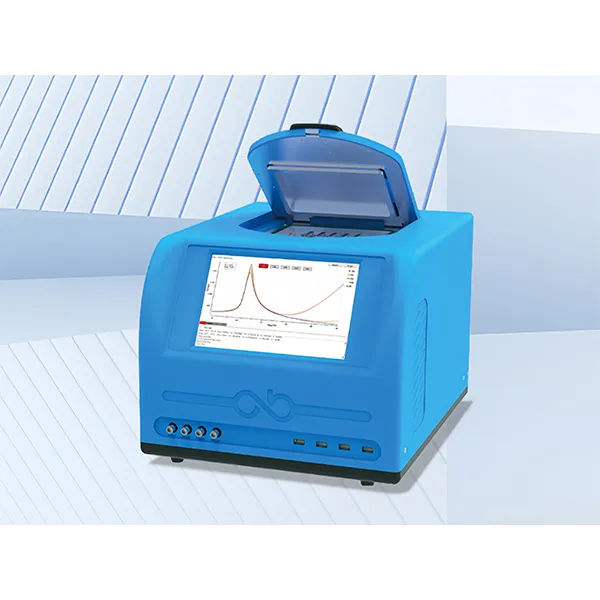
MatMeas DMS2000 High-Low Temperature Dielectric Spectrometer
The MatMeas DMS2000 is an advanced High and Low Temperature Dielectric Impedance Spectrometer engineered for evaluating the dielectric properties of materials under extreme thermal conditions. Compliant with the ASTM D150 standard, it integrates a proprietary LNP-95 liquid nitrogen injection system to achieve seamless continuous temperature variation from -160°C to 450°C. Uniquely featuring a vacuum-enabled sample chamber to completely prevent thermal frosting and eliminate false water peaks near 0°C, along with versatile options for single-sample or five-sample simultaneous testing, the DMS2000 ensures unparalleled data fidelity and high throughput for advanced scientific research.
View details →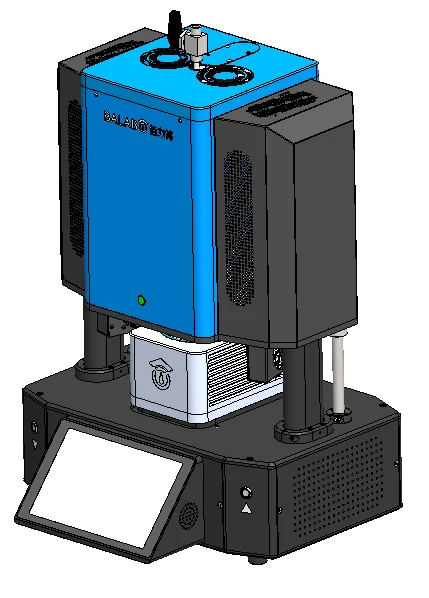
MatMeas DTS10001 High-Temperature Dielectric Testing System
The DTS10001 by MatMeas redefines high-temperature dielectric impedance spectroscopy. Designed for functional ceramics and advanced dielectric research, it features a modular plug-and-play architecture for quick switching between single-channel and 4-channel fixtures, a motorized furnace elevator, and a temperature range of RT-1000°C (long-term up to 850°C) with comprehensive atmosphere controls.
View details →