Overview
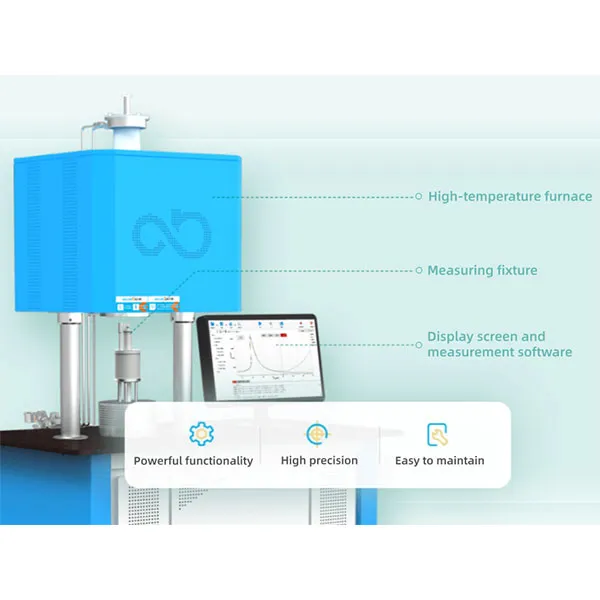
MatMeas DMS1650 Ultra-High Temperature Dielectric Impedance Spectrometer is an integrated system specifically developed for studying the electrical properties of dielectric materials under ultra-high temperature conditions.
The instrument combines a high-temperature furnace, precision measurement fixture, advanced control software, and an integrated display system into a compact platform. Based on the parallel-plate capacitor measurement principle, the system enables accurate characterization of dielectric constant, dielectric loss, and impedance spectroscopy over a wide temperature and frequency range.
The system supports testing under ambient atmosphere, high-temperature conditions, vacuum environments, and controlled gas atmospheres, allowing researchers to investigate the dielectric behavior of materials as a function of temperature, frequency, and time.
With its stable temperature control system and integrated design, the DMS1650 provides reliable and repeatable dielectric measurements for ceramic materials, electronic components, and advanced functional materials. It is widely used in universities, research institutes, and industrial laboratories for dielectric material research and development.
Specifications
| Parameter | Specification |
| Temperature Range | Room Temperature ~ 1600°C |
| Temperature Control Accuracy | ±3°C |
| Temperature Control Method | PID Precision Control |
| Heating Rate | 0–10°C/min (Typical 3°C/min) |
| Frequency Range | ~20 Hz – 1 MHz |
| Measurement Accuracy | Dependent on the specifications of the connected impedance analyzer. |
| Measurement Principle | Parallel Plate Capacitor Method |
| Measurement Channel | Single Channel |
| Sample Size | Diameter < 20 mm, Thickness < 5 mm |
| Electrode Material | Platinum Electrodes (Top and Bottom) |
| Measurement Environment | Flowing Gas Atmosphere |
| Operating Temperature | 5 °C – 40 °C |
| Power Supply | 220 V / 60 Hz ~ 4800 W |
| Dimensions | 1260 x 760 x 1727mm(LxWxH) |
| Weight | 200kgs |
| Warranty | 1 Year |
Applications
- Dielectric
Ceramic Materials Characterization of dielectric properties of ferroelectric ceramics, piezoelectric ceramics, and microwave dielectric materials. - Electronic
Component Materials Evaluation of dielectric performance in capacitors, insulating materials, and electronic substrates. - Functional
Oxide Materials Study of dielectric response of perovskite materials and advanced oxide ceramics at elevated temperatures. - Energy Storage
Materials Investigation of dielectric behavior in high-temperature energy storage ceramics and dielectric capacitor materials. - Academic Research
Widely used in universities and research institutes for advanced dielectric materials research.
FAQ
Why do standard platinum electrodes fail in ultra-high temperature dielectric testing at 1650°C?
At temperatures approaching 1650°C, standard platinum electrodes soften, evaporate, or react with the sample, completely destroying the electrical contact and the data. The MatMeas DMS1650 utilizes proprietary ultra-high temperature resistant electrode materials and specialized alumina structural components, ensuring rock-solid electrical interfacing even at extreme thermal limits.How does the DMS1650 prevent high-temperature insulation breakdown from corrupting impedance spectra?
Most commercial furnaces lose their electrical insulation properties above 1200°C, causing severe parasitic leakage currents that mask the sample's true impedance. The DMS1650 is engineered with a specialized active-shielded high-alumina measurement core that maintains pristine isolation at 1650°C, delivering flawless Cole-Cole and Nyquist plots.What is the primary measurement principle of the DMS-1650?
The DMS-1650 is designed using the parallel-plate capacitor method to measure the dielectric properties (dielectric constant, dielectric loss) and impedance spectroscopy of materials under ultra-high temperatures (up to 1600°C) with high precision, eliminating lead resistance and stray capacitance.What sample shapes and sizes are supported?
The system supports standard circular thin-sheet disc samples, typically with a diameter of less than 20 mm and a thickness of less than 5 mm, fitted between the platinum electrodes.Does the DMS-1650 comply with international laboratory standards?
Yes, all measurements fully align with international norms such as ASTM, IEEE, and GB/T standards to deliver publishable, research-grade data.
Related Products
CPS7000 High-Low Temperature Dielectric Vacuum Probe Station
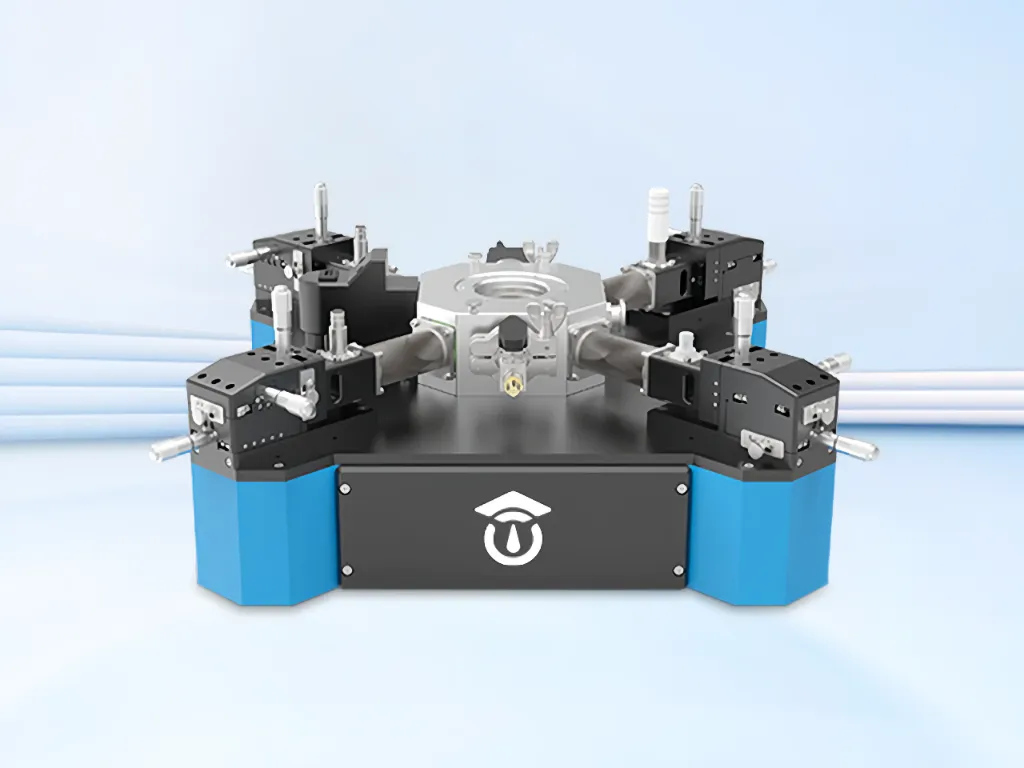
The MatMeas CPS7000 is an advanced, highly integrated desktop High-Low Temperature Dielectric Vacuum Probe Station engineered for the rigorous electrical characterization of thin films, bulk materials, and semiconductor wafers. Delivering performance directly comparable to industry-leading American brands like Lake Shore and Janis, this compact platform offers an ultra-wide temperature range from -160°C to 450°C via liquid nitrogen cooling. Uniquely equipped with a proprietary built-in air shock anti-vibration system, the CPS7000 eliminates data jumping points during continuous temperature variations. Supporting complex high-voltage and low-current testing environments, it is the ultimate infrastructure for evaluating dielectric, piezoelectric, ferroelectric, and TSDC properties in high-vacuum conditions.
View details →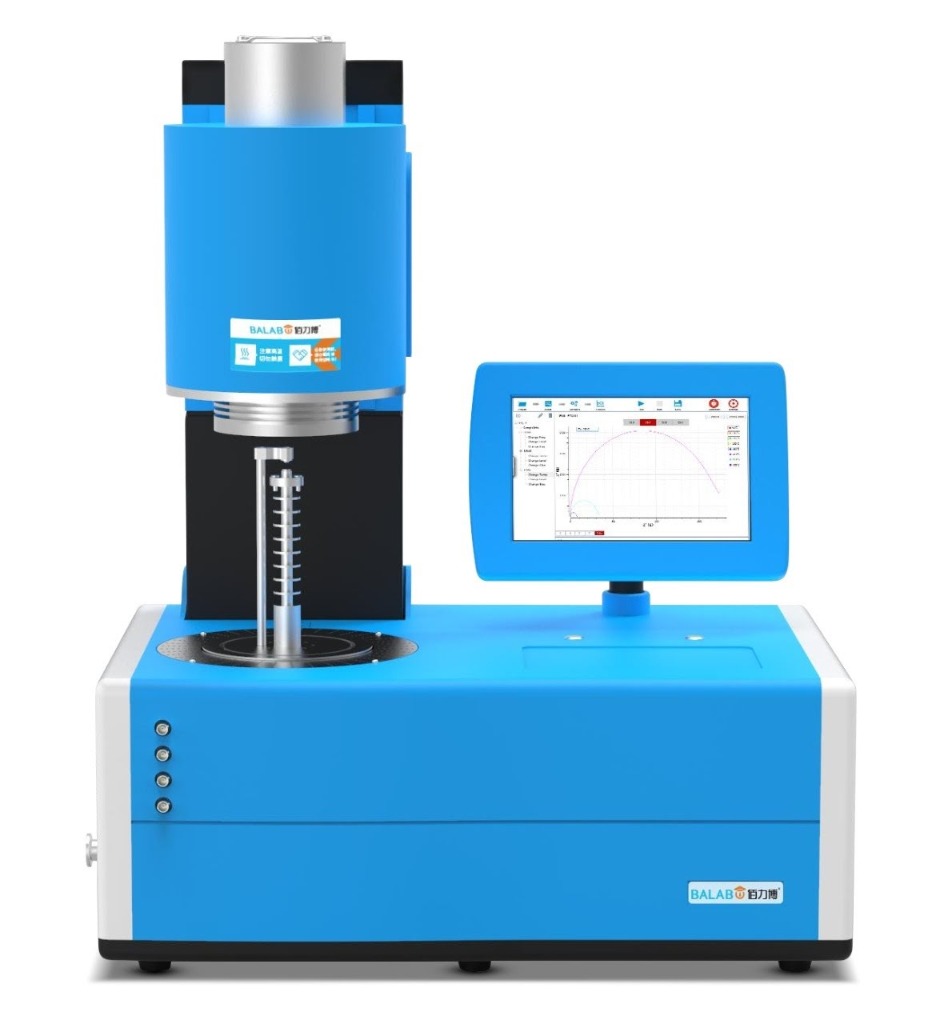
MatMeas DMS1000 High-Temperature Dielectric Spectrometer
The MatMeas DMS1000 is an advanced High-Temperature Dielectric Impedance Temperature Spectrometer engineered for the ultimate electrical characterization of bulk materials. Delivering an exceptional measurement accuracy of 0.05%, it operates efficiently from Room Temperature (RT) to 1000°C. Its upgraded platform supports both single-sample and four-sample simultaneous measurements. Integrated with a sealable metal shielding system and high-purity platinum electrodes, the DMS1000 enables highly reliable testing across inert, oxidizing, reducing, and vacuum atmospheres, making it an indispensable infrastructure for precision materials science.
View details →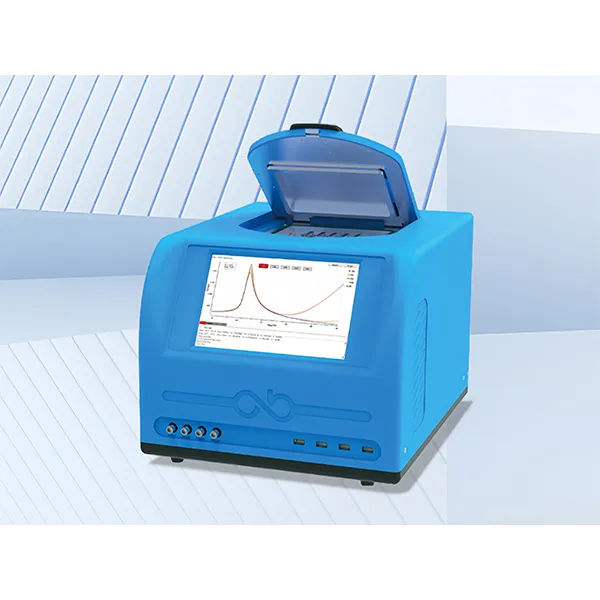
MatMeas DMS2000 High-Low Temperature Dielectric Spectrometer
The MatMeas DMS2000 is an advanced High and Low Temperature Dielectric Impedance Spectrometer engineered for evaluating the dielectric properties of materials under extreme thermal conditions. Compliant with the ASTM D150 standard, it integrates a proprietary LNP-95 liquid nitrogen injection system to achieve seamless continuous temperature variation from -160°C to 450°C. Uniquely featuring a vacuum-enabled sample chamber to completely prevent thermal frosting and eliminate false water peaks near 0°C, along with versatile options for single-sample or five-sample simultaneous testing, the DMS2000 ensures unparalleled data fidelity and high throughput for advanced scientific research.
View details →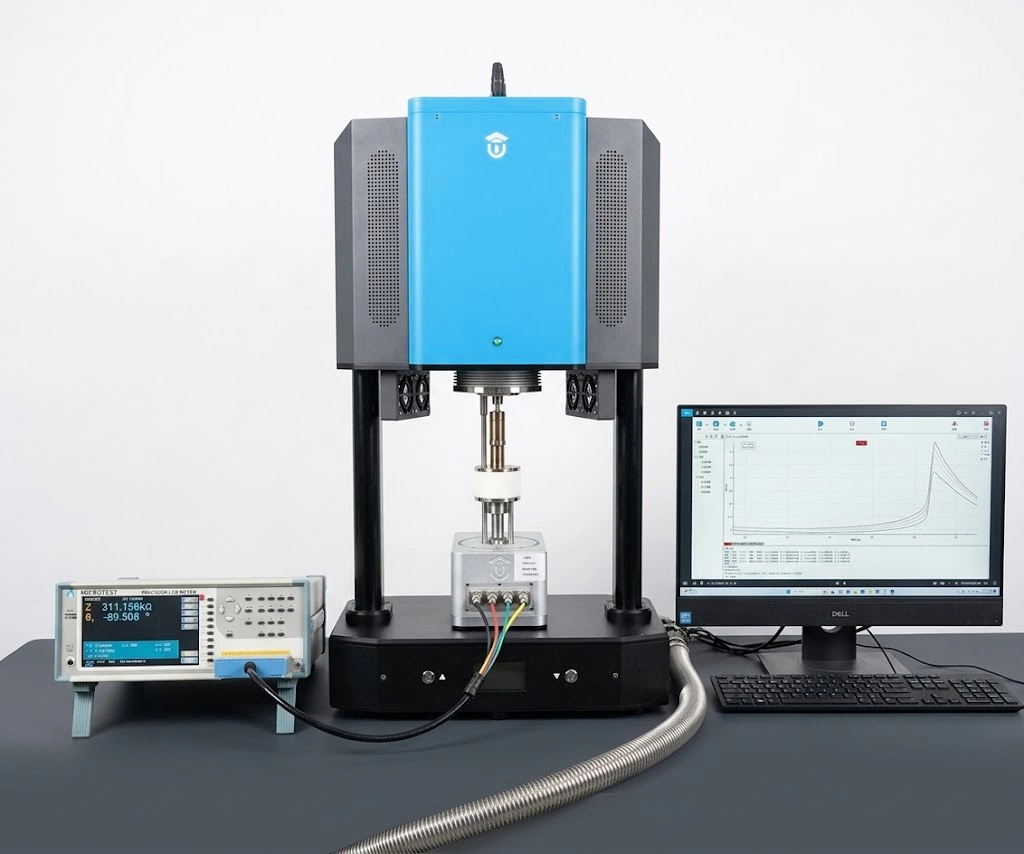
MatMeas DTS1000 High-Temperature Dielectric Impedance Spectrometer
Built on the proven DMS series platform, the MatMeas DTS1000 is a next-generation high-temperature dielectric impedance spectrometer engineered specifically for high-temperature mechanistic research on functional ceramics and advanced dielectric materials. Its modular architecture supports effortless plug-and-play switching between single-channel precision measurement and four-channel high-throughput screening. Across a wide temperature range from room temperature to 1000°C, the DTS1000 delivers fully automated, high-accuracy mapping of dielectric constant, dielectric loss, Curie temperature, and Cole-Cole/Nyquist spectra.
View details →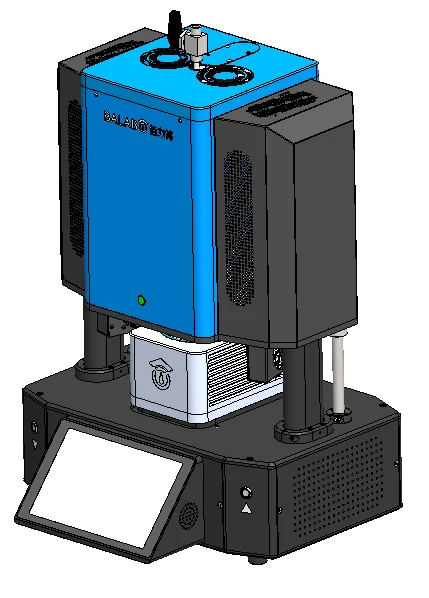
MatMeas DTS10001 High-Temperature Dielectric Testing System
The DTS10001 by MatMeas redefines high-temperature dielectric impedance spectroscopy. Designed for functional ceramics and advanced dielectric research, it features a modular plug-and-play architecture for quick switching between single-channel and 4-channel fixtures, a motorized furnace elevator, and a temperature range of RT-1000°C (long-term up to 850°C) with comprehensive atmosphere controls.
View details →