MatMeas Unveils the RTS-1000C High-Temperature Conductive Material Resistivity System with 99-Zirconia Insulation and Ultra-Low Resistance Precision
Product News
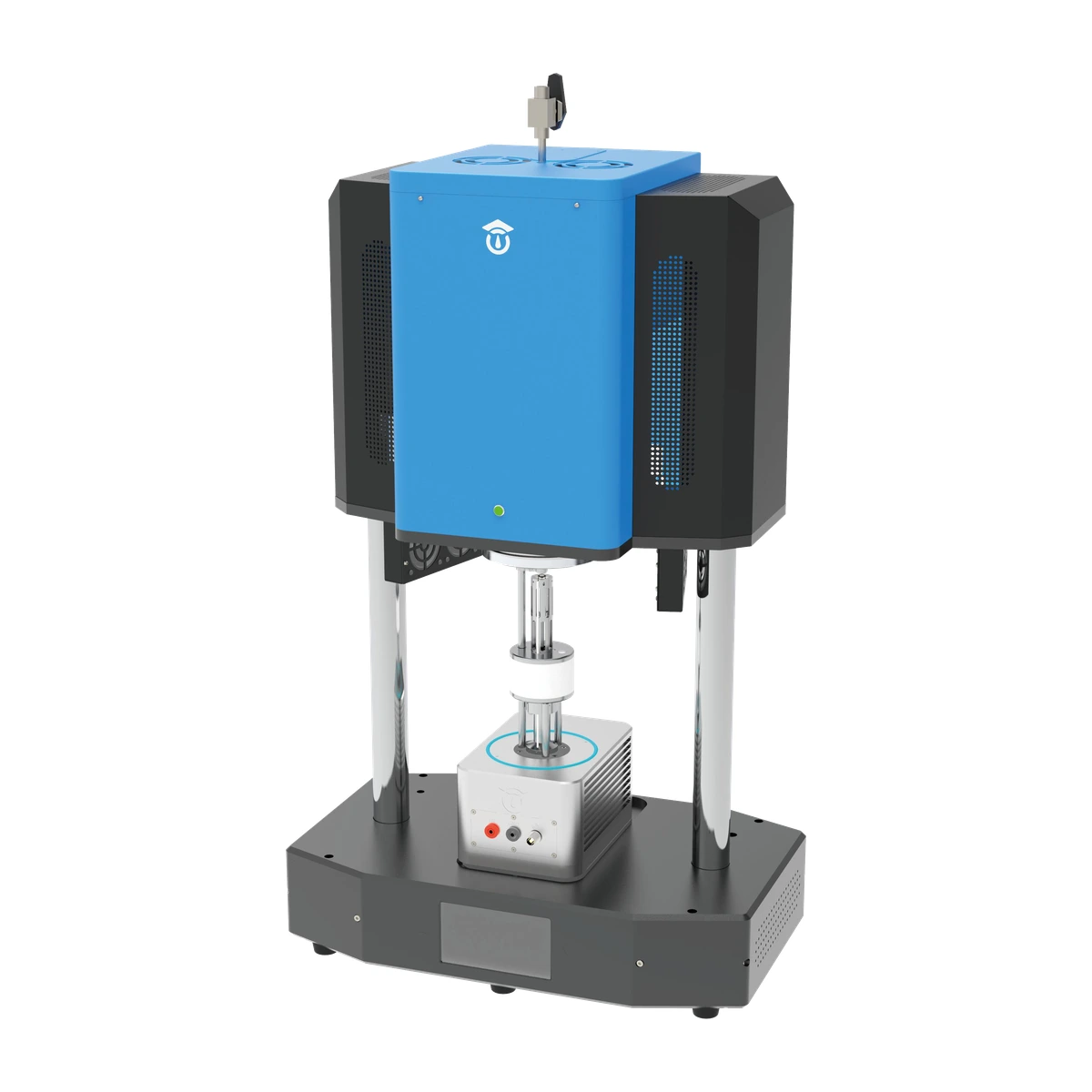
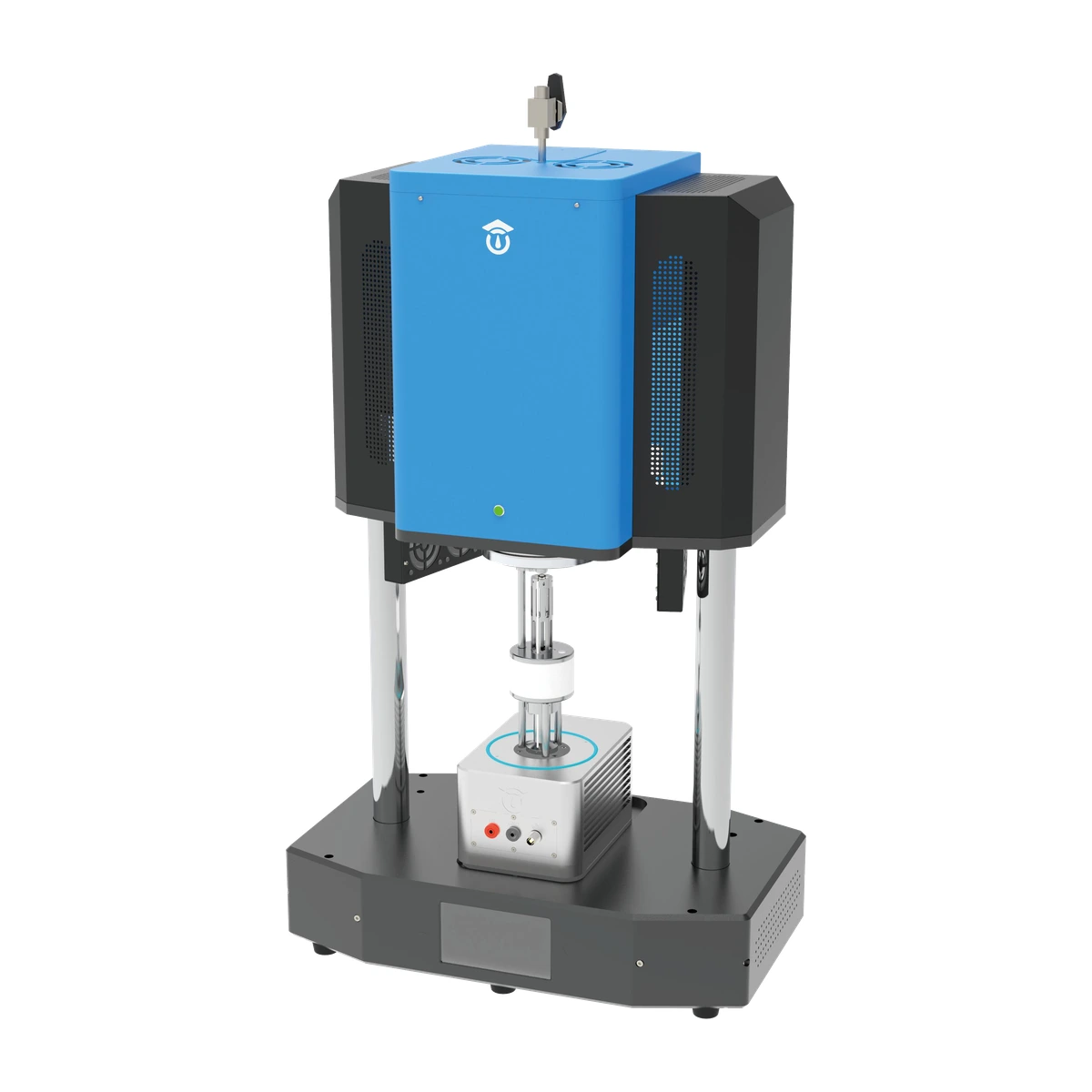
Wuhan, China / Global — September 2026 — MatMeas has officially announced the global commercial release of the RTS-1000C High-Temperature Conductive Material Resistivity Test System (the next-generation upgraded platform of the widely cited RMS-1000C series). Engineered specifically to tackle the longstanding experimental bottlenecks of ultra-low resistance testing under elevated thermal and environmental extremes, the next-generation RTS-1000C establishes a benchmark in precision functional materials characterization.
🔬 Key Engineering Specifications at a Glance:
- Measurement Principle: Four-wire Kelvin resistance & bulk resistivity method
- Resistance Dynamic Range: 10 nΩ to 100 MΩ (Resistivity: 10 nΩ·cm to 100 MΩ·cm)
- Temperature Envelope: Room Temperature to 600°C with precision PID control (±1°C accuracy)
- Thermal Isolation: Dense 99% Zirconia (ZrO₂) structural components
- Electrode Assembly: High-purity Platinum current leads + high-temp Tungsten Carbide sensing probe
- Supported Geometries: Φ15–25 mm circular discs, rectangular bars, and square billets
- Testing Atmospheres: High vacuum or inert gas purge (Argon, Nitrogen)
Overcoming the High-Temperature Low-Resistance Bottleneck
Evaluating the electrical transport kinetics of advanced conductive materials—such as dense synthetic graphite, aerospace superalloys, battery electrode current collectors, and superconducting ceramics—presents severe experimental hurdles at elevated temperatures. In conventional two-probe setups or standard high-temperature fixtures, contact resistance and lead-wire thermal resistance can easily exceed the actual resistance of the specimen by multiple orders of magnitude. Furthermore, testing conductors in open atmosphere above 300°C results in instantaneous specimen oxidation and catastrophic data distortion.
The RTS-1000C resolves these physical challenges through an integrated four-wire Kelvin architecture enclosed within a sealed atmosphere chamber. By completely decoupling the high-stability current injection circuit from the high-impedance voltage sensing path, lead and contact resistances are eliminated from the measurement loop, ensuring stable, reproducible data down to the nano-ohm (10 nΩ) domain without requiring empirical post-hoc corrections.
Four Core Technological Advancements in the RTS-1000C
1. 99% Zirconia (ZrO₂) High-Temperature Ceramic Isolation
Traditional high-temperature fixtures frequently employ alumina or silica supports that can experience surface chemical degradation, high-temperature ionic conduction, or mechanical fatigue under repetitive thermal cycling. The RTS-1000C integrates premium 99% dense Zirconia (ZrO₂) structural isolation elements. Zirconia offers outstanding oxidation resistance, exceptional mechanical hardness, and high electrical volume resistivity across the entire heating envelope, effectively suppressing parasitic leakage currents and ensuring zero baseline drift.
2. Hybrid Platinum & Tungsten Carbide Electrode System
Electrode contact stability is paramount when tracking micro-ohm resistance variations across dynamic heating ramps. The RTS-1000C features a purpose-designed hybrid electrode assembly: the outer left and right current injection electrodes are crafted from ultra-pure, chemically inert Platinum (Pt), while the central voltage-sensing probe is precision-machined from refractory Tungsten Carbide (WC). This combination ensures superior ohmic contact, eliminates oxidation scaling, and prevents probe tip blunting during high-temperature test runs.
3. Integrated Ergonomic Stand with Motorized Lifting
Moving away from cluttered, multi-chassis experimental setups, the RTS-1000C adopts a fully integrated vertical architecture measuring 630 × 640 × 450 mm. A motorized precision lift smoothly positions the cylindrical hot zone over the specimen fixture, ensuring reproducible sample loading and minimizing manual handling errors. The system incorporates built-in Wi-Fi connectivity and USB data logging for streamlined integration into smart laboratory networks.
4. Real-Time Curve Monitoring and Automated Fault Localization
The companion measurement software continuously plots resistance, bulk resistivity, and temperature control curves in real time. Intelligent diagnostic routines actively monitor heater response, thermal couple continuity, and electrode contact resistance. In the event of sample slippage, improper clamping, or thermal sensor anomalies, the system flags the issue instantly, achieving pinpoint fault localization and protecting valuable specimen batches.
Target Applications & Academic Scope
The RTS-1000C is engineered for rigorous academic research and advanced industrial quality verification across multiple domains:
- Carbon & Graphite Materials: Synthetic isostatic graphite, flexible graphite foils, graphene sheets, carbon-carbon composites, and high-purity battery anodes.
- Conductive Alloys & Metals: Copper/aluminum alloys, transition-metal refractory conductors, electrical contact rivets, and shape-memory metals.
- Functional Oxides & Polymers: Transparent conductive oxides (TCO), conductive structural polymers, and thermoelectric transport evaluation.
- Superconducting & Nanomaterials: High-temperature superconductivity transition verification and carbon-nanotube conductive networks.
🚀 Dual Conversion Pathways: Turnkey Acquisition & Contract Testing
MatMeas offers flexible pathways to support your functional materials characterization requirements:
- Turnkey System Procurement: For research institutes and industrial labs seeking on-site capital instrumentation, explore the detailed technical specifications and request an official factory quotation on the RTS-1000C Product Page →
- Authorized Contract Testing Services: For unbudgeted project phases or immediate pre-purchase sample validation, submit your specimens to our certified materials characterization laboratory via our Contract Testing Services Portal →
To request technical datasheets, application notes, or live remote demonstration sessions, please contact our global technical support engineering team.
Request High-Precision Testing Solutions
Get expert guidance and customized instruments for your functional materials project.