Piezoelectric Ceramics & Extreme Temperature Testing
SICCAS Insulation Resistance Installation & High-Temperature Engineering Training
Precision on-site commissioning, standard operating procedure training, and extreme-temperature insulation testing support at the Shanghai Institute of Ceramics.
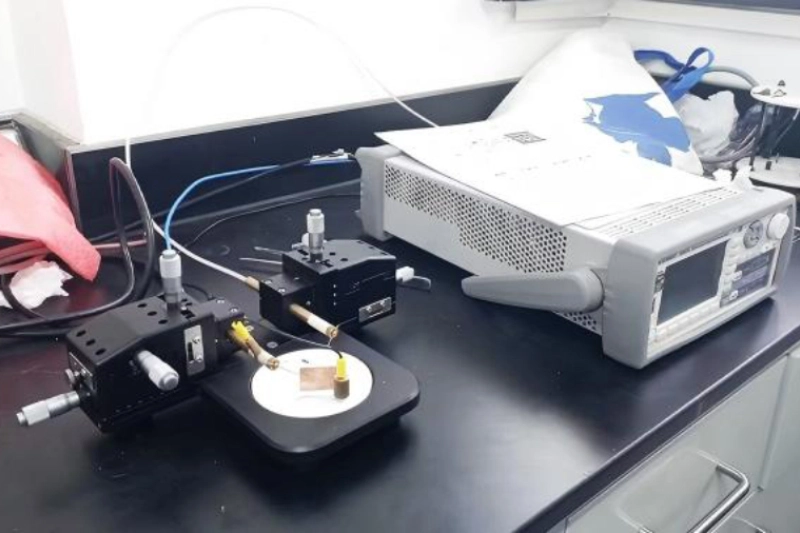
Client Profile & Institutional Stature
Shanghai Institute of Ceramics, Chinese Academy of Sciences
China's National Benchmark Institute for Advanced Inorganic Non-Metallic Materials
Established in 1928, the Shanghai Institute of Ceramics, Chinese Academy of Sciences (SICCAS) is globally recognized as one of the world's most prestigious scientific institutions in structural ceramics, artificial crystals, and piezoelectric materials. SICCAS has developed core functional materials for deep-space exploration, high-temperature turbines, and advanced quantum technologies, with groundbreaking papers published regularly in Nature, Science, and JACerS. Their continuous use of MatMeas electrical test fixtures serves as an authoritative testament to precision and scientific reproducibility.
Founding Year
1928 (Nearly a Century of Leadership)
Governing Authority
Chinese Academy of Sciences (CAS)
Core Discipline
Piezoelectric & Advanced Ceramics
Global Ranking
Top 1% Worldwide in Materials Science
Key Project Takeaways & Delivery Highlights
- ·On-site installation, thermal calibration, and hardware commissioning by MatMeas technical support.
- ·Standard operating procedures (SOP) established for guarded three-terminal volume and surface resistivity.
- ·Hands-on operational training delivered directly to postgraduate researchers and laboratory faculty.
- ·Supports SICCAS's ongoing research programs in extreme-temperature dielectric and functional ceramics.
Technical Specifications & Performance Parameters
| Operating Temperature Range | Room Temperature to 1000°C |
| Resistance Measurement Range | 10³ Ω to 10¹⁵ Ω (Volume & Surface Resistivity) |
| Current Measurement Sensitivity | Sub-picoamp (fA-level) current resolution |
| Electrode Configuration | Three-ring guarded platinum electrode fixture minimizing stray leakage |
| Compliance Standards | Compliant with ASTM D257, GB/T 1410, and IEC 60093 standards |
| Temperature Control Precision | ±0.5°C with multi-ramp programmed PID thermal profiling |
Research Institution & Scientific Collaboration
The Shanghai Institute of Ceramics, Chinese Academy of Sciences (SICCAS) is globally celebrated as a premier research center in inorganic non-metallic materials, advanced structural ceramics, and piezoelectric transducers. In demanding aerospace, deep-well drilling, and industrial sensing applications, piezoelectric ceramics must operate stably at temperatures exceeding 500°C without suffering severe electrical leakage or thermal depolarization.
The Engineering Challenge: Precise Insulation Resistance at Extreme Temperatures
Measuring the high-temperature volume resistivity of advanced functional ceramics is notoriously difficult. At elevated temperatures, conventional test fixtures suffer from parallel leakage across insulating supports, electrode oxidation, and capacitive noise, distorting resistance measurements by orders of magnitude. SICCAS required a dedicated insulation resistance testing platform with high thermal repeatability, hermetic shielding, and guarded three-terminal electrodes.
MatMeas Solution & Dedicated On-Site Support
MatMeas delivered and installed our flagship HTS-1000HR high-temperature insulation resistance measurement system. Engineer Gu from the MatMeas after-sales service team visited SICCAS on-site to perform complete hardware leveling, thermocouple calibration, and software integration.
The training covered:
- Standard operating procedures (SOPs) for platinum paste coating and electrode alignment.
- Precision variable-temperature resistance spectroscopy up to extreme thermal regimes.
- Software-automated volume resistivity, surface resistivity, and activation energy calculations.
The faculty and students praised the intuitive software interface and the engineer's rigorous technical support, quickly achieving complete independent operation.
Related Scientific Context & Academic Collaboration
SICCAS maintains extensive, internationally recognized research programs dedicated to functional ceramics operating under extreme thermal and electrical conditions. Teams across the institute frequently require high-precision electrical characterization to evaluate material degradation, space-charge polarization, and intrinsic conductivity under elevated temperatures.
For example, researchers at SICCAS have previously published foundational studies in the prestigious Journal of the American Ceramic Society (JACerS) on high-temperature piezoelectric ceramic systems evaluated via MatMeas characterization infrastructure. The deployment and operational standardization of this HTS-1000HR insulation resistance equipment further strengthens the laboratory's capabilities in extreme-environment testing.
📖 Related Research Context from SICCAS:
Read more about SICCAS's published high-temperature piezoelectric research in JACerS →
Field Inspection & Packaging Gallery
Equipment verification, pre-installation calibration, and export wooden crating photos:
MatMeas after-sales engineer conducting on-site training on insulation volume resistance equipment at SICCAS
On-site installation and operational procedure training for teachers and postgraduate researchers at SICCAS.
Related Equipment & Consumables
Explore the instruments, compatible processing stations, and consumables associated with this application:
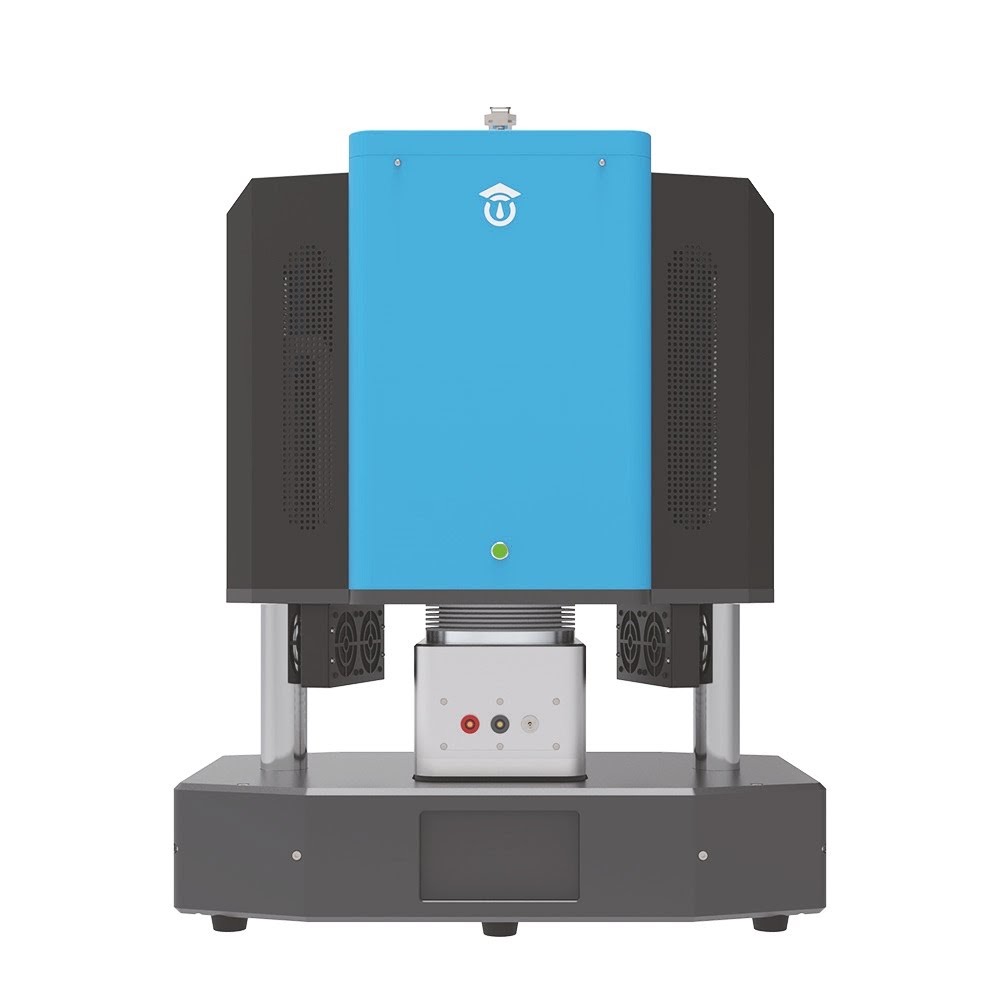
HTS1000HR High Temperature Resistivity Measurement System
The HTS1000HR is an advanced, integrated testing platform specifically engineered to precisely evaluate the electrical conductivity and insulation properties of advanced materials at extreme temperatures up to 800℃. By supporting various atmospheric conditions and offering an ultra-wide resistance measurement range, it serves as an indispensable characterization tool for material research and industrial quality control.
View details →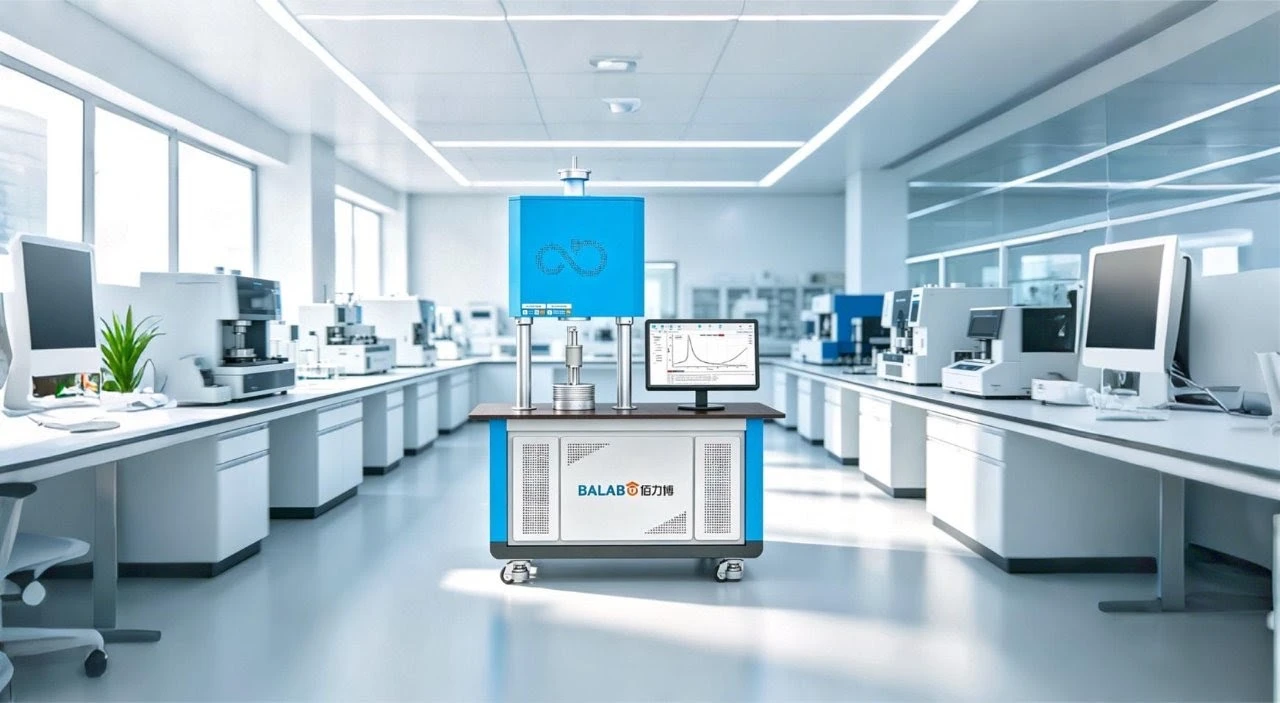
RMS1650 Ultra-High Temperature Resistivity Measurement System
The RMS1650 Ultra-High Temperature Resistivity Measurement System is engineered for the rigorous electrical characterization of insulating and dielectric materials up to 1600°C. Utilizing a proprietary guarded three-terminal electrode configuration, the system enables in-situ acquisition of resistivity and leakage current kinetics under extreme temperatures, vacuum, and controlled gas atmospheres.
View details →Request High-Precision Testing Solutions
Get expert guidance and customized instruments for your functional materials project.