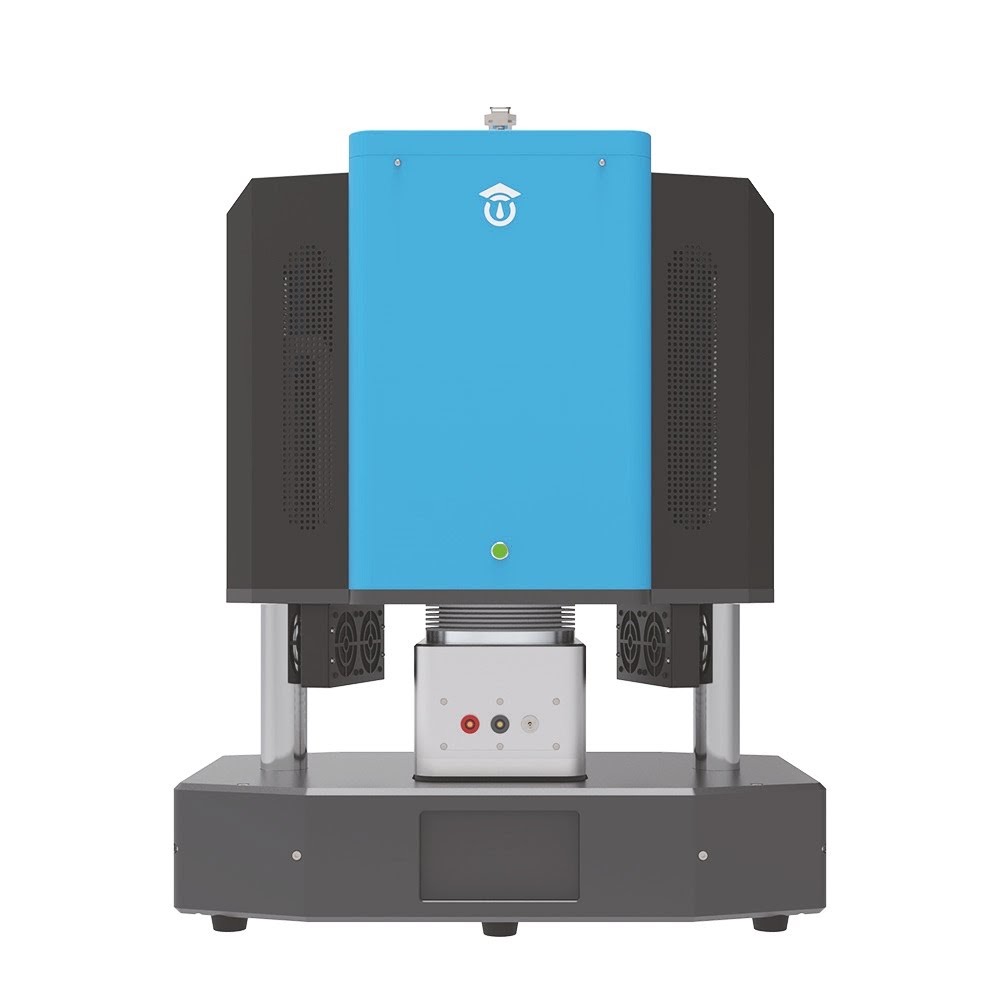
Overview
Designed for top-tier research institutes and industry leaders (such as SICCAS and Huawei), the HTS1000HR High Temperature Resistivity Measurement System provides a highly controlled environment for evaluating the absolute limits of high-resistance insulating materials and piezoelectric ceramics. The system features a highly integrated, modular design equipped with an oxidation-resistant high-temperature heating furnace capable of reaching 800℃ with an exceptional ±1℃ temperature control accuracy.
Researchers can effortlessly monitor how a material's resistivity changes over time and temperature under diverse experimental environments, including ambient air, flowing gas atmospheres, and vacuum conditions. By employing a sophisticated three-ring electrode method and an automated, safe maximum sample pressure of 0.25N, the HTS1000HR ensures superior electrical contact, high repeatability, and strictly non-destructive testing for delicate samples up to 30mm in diameter.
Specifications
| Temperature Range | RT to 800℃ |
| Resistance Measurement Range | 10³ Ω to 10¹⁵ Ω |
| Current Measurement Range | 500fA to 20mA |
| Temperature Control Accuracy | ±1℃ |
| Heating Rate | 0-10℃/min (Typical: 3℃/min) |
| Measurement Environment | Air, Flowing gas atmosphere, Vacuum |
| Maximum Sample Size | Outer Diameter (OD) ≤ 30mm, Thickness (t) ≤ 5mm |
| Electrode Material | Platinum |
| Measurement Methods | Three-ring electrode method |
| Maximum Sample Pressure | 0.25N (Non-destructive) |
| Heating Method | Resistance wire heating |
| Power Supply | 220V / 50Hz~60Hz, 1600W |
| Dimensions (L x W x H) | 480 x 320 x 830 mm |
| Weight | 46 Kg |
Applications
- Insulating materials evaluation and degradation research.
- Piezoelectric ceramics conductivity and stability testing.
- High-temperature solid-state electronics characterization.
- Dielectric property evaluation for aerospace and semiconductor components.
FAQ
Why do generic measurement fixtures fail to provide accurate resistance data at 800°C?
At 800°C, the insulation materials used in generic fixtures begin to break down and become conductive, creating massive parallel leakage paths that completely mask the true resistance of the sample. The MatMeas HTS1000HR is engineered with specialized ultra-high-purity alumina ceramics that maintain near-perfect insulation at extreme temperatures, ensuring absolute accuracy for high-resistance measurements.How does the system prevent electrode oxidation from ruining conductivity data?
Measuring conductivity in open air causes the electrodes to rapidly oxidize, destroying the electrical contact interface. The HTS1000HR integrates a fully sealable environmental chamber that supports highly controlled inert, reducing, or vacuum atmospheres, completely preventing oxidation and ensuring perfect electrode contact throughout the 800°C thermal cycle.What test environments can the HTS1000HR simulate for resistivity measurement?
The system is engineered to easily accommodate multiple experimental environments, including ambient air, flowing gas atmospheres, and vacuum conditions, allowing for versatile and complex material characterization.Can this system safely measure highly delicate insulating materials?
Yes. The HTS1000HR is specifically designed to evaluate extreme high-resistance limits up to 10¹⁵ Ω. Furthermore, it utilizes a factory-calibrated maximum sample pressure of just 0.25N, guaranteeing that delicate samples remain completely undamaged during the measurement process.What kind of electrode configuration does the equipment use?
The system utilizes an advanced three-ring electrode method constructed from premium platinum. This design ensures phenomenal electrical contact, superior data repeatability, and uncompromised stability even at temperatures up to 800℃.
Verified Field Deployments
Customer Success Stories & Commissioning
Explore authentic on-site installations, turnkey deliveries, and empirical validation achieved with this instrument platform across leading global research institutes.
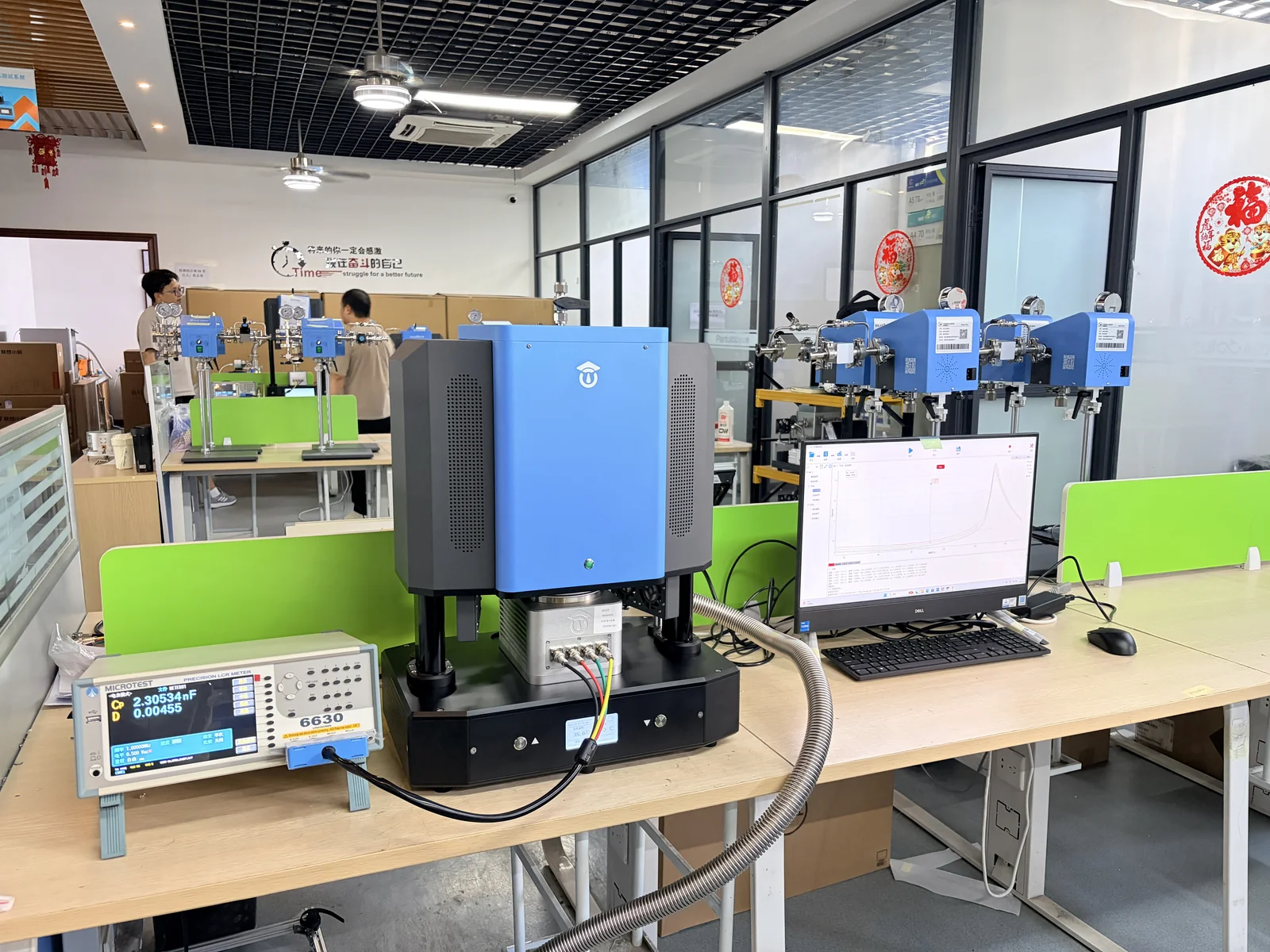
Turnkey HTS1000DE High-Temperature Dielectric Measurement System Delivered to Ejadah Medical Company LLC
MatMeas successfully completed the factory pre-assembly, electrical calibration, and international export packaging of a complete HTS1000DE High-Temperature Dielectric Measurement System for Ejadah Medical Company LLC. The delivery featured an integrated Microtest 6630-10 LCR meter, pre-installed Dell AIO PC in a dedicated protective wooden crate, and a complimentary VACKIT atmospheric interface kit.
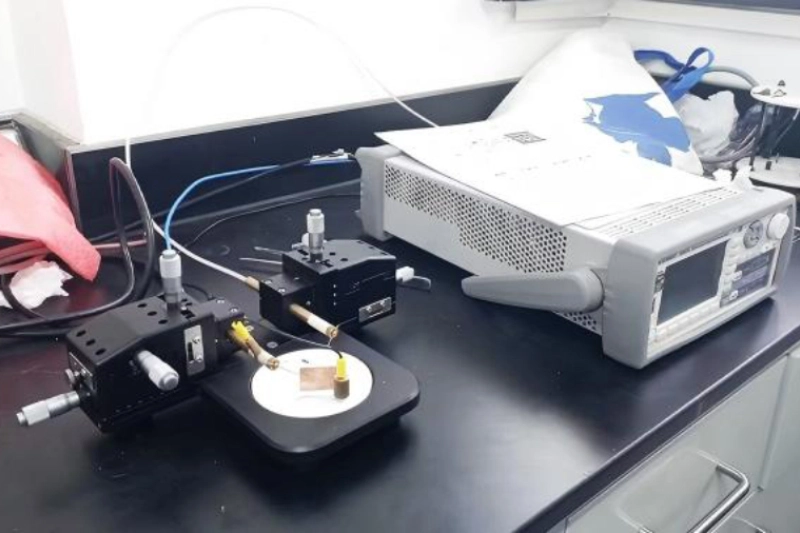
On-Site Installation & Engineering Training for High-Temperature Insulation Resistance System at SICCAS
Engineer Gu from MatMeas's technical support division visited the Shanghai Institute of Ceramics (SICCAS) to conduct on-site installation, hardware calibration, and standard operating procedure (SOP) training for the high-temperature insulation volume resistance measurement system.
Related Products
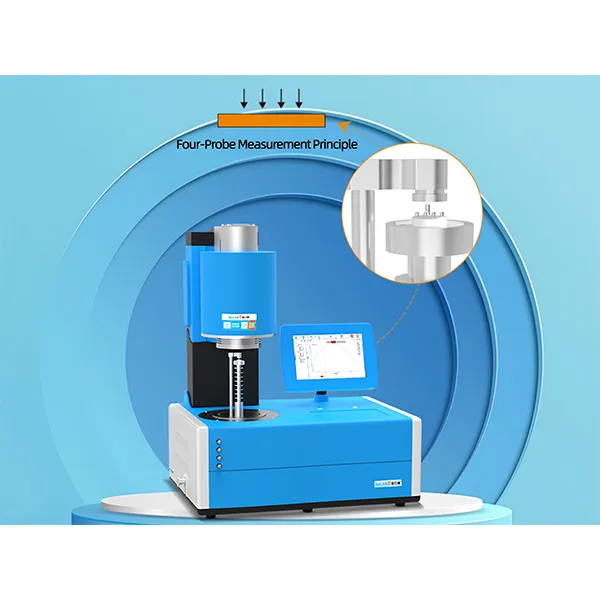
MatMeas RMS-1000P High-Temp Four-Point Probe Resistivity System
RMS-1000P uses four-point probe method for thin film and wafer resistivity measurement, featuring dual-electrostatic measurement, 0.1mΩ~100MΩ range, and specialized fixture for semiconductor materials.
View details →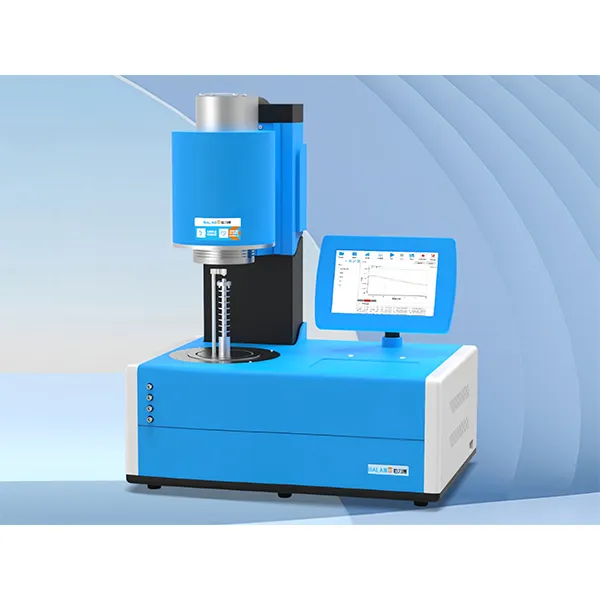
MatMeas RMS-1000S High-Temp Semiconductor Resistivity System
RMS-1000S is optimized for semiconductor bulk materials with four-wire method, offering 0.1mΩ~100MΩ measurement range, spring-loaded platinum electrodes, and multiple atmosphere environments for complex resistivity characterization.
View details →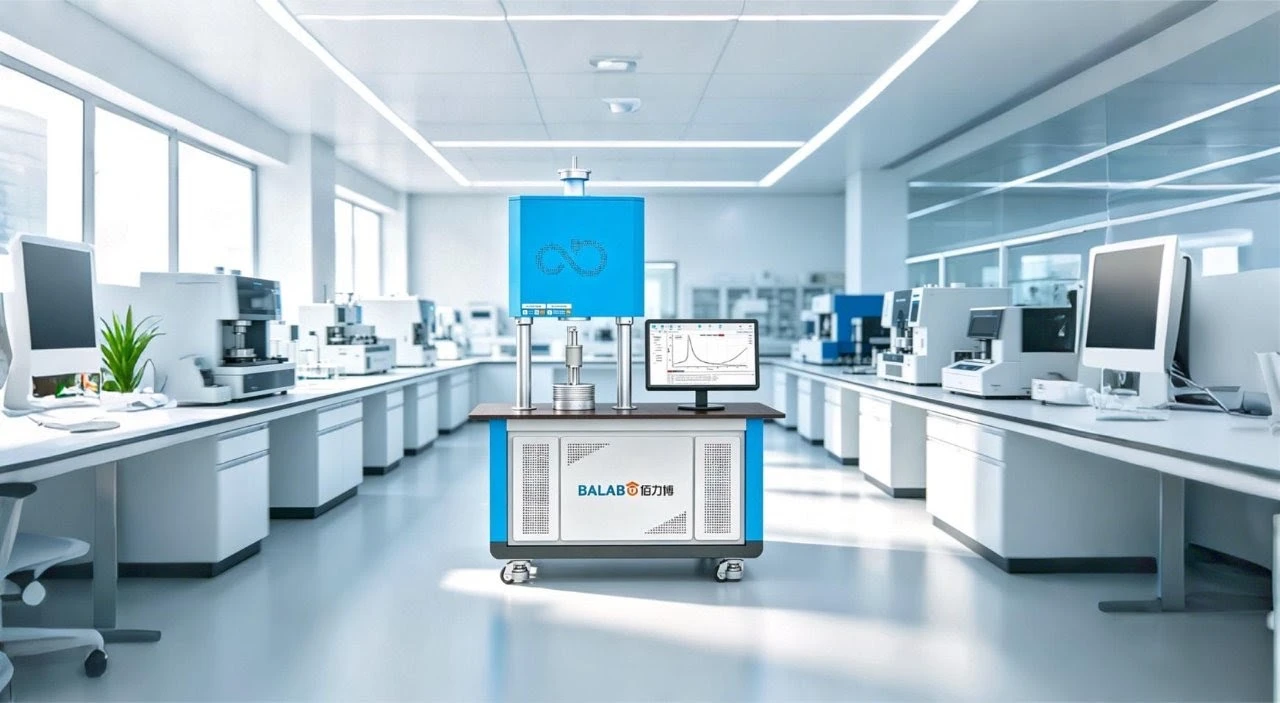
RMS1650 Ultra-High Temperature Resistivity Measurement System
The RMS1650 Ultra-High Temperature Resistivity Measurement System is engineered for the rigorous electrical characterization of insulating and dielectric materials up to 1600°C. Utilizing a proprietary guarded three-terminal electrode configuration, the system enables in-situ acquisition of resistivity and leakage current kinetics under extreme temperatures, vacuum, and controlled gas atmospheres.
View details →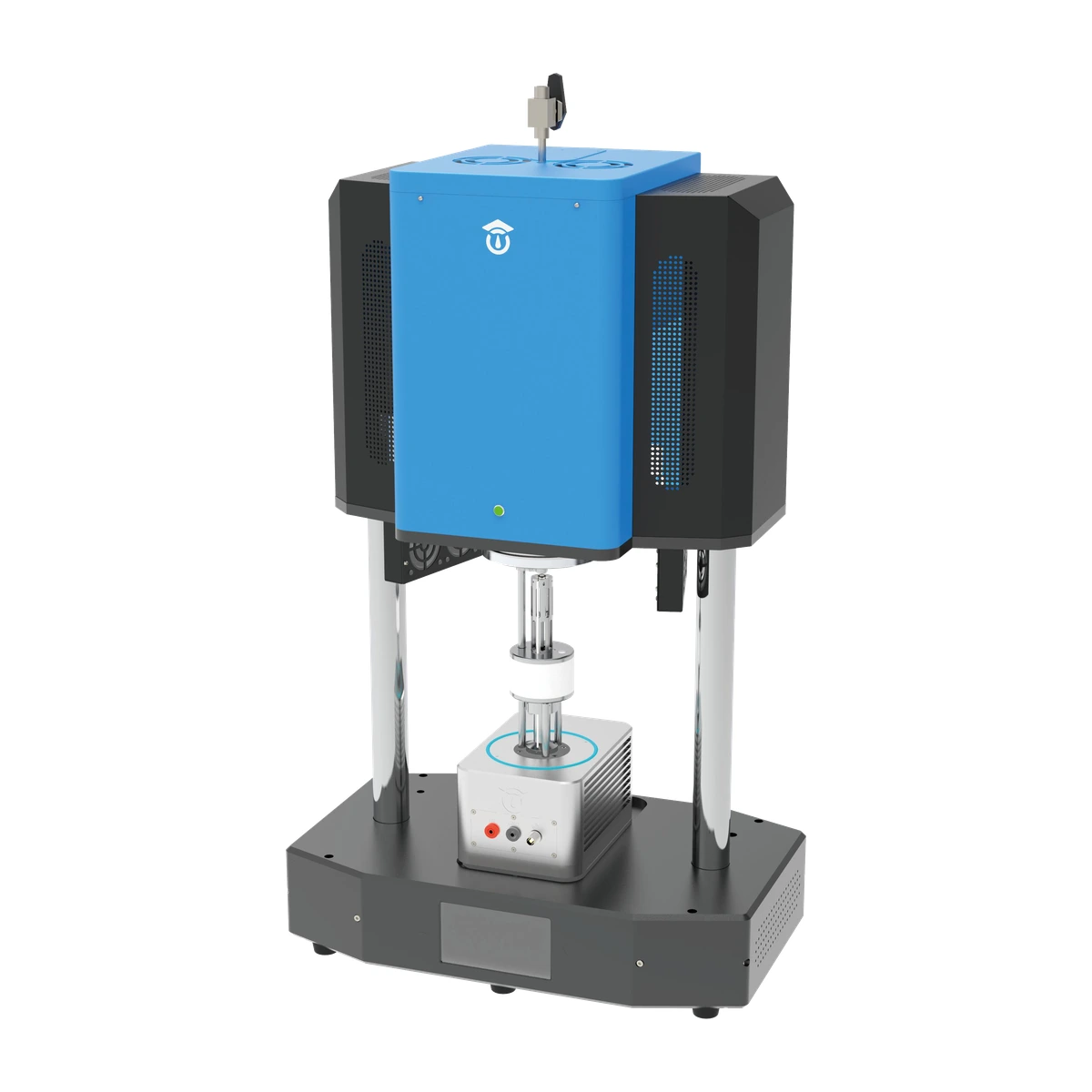
MatMeas RTS-1000C High-Temp Conductive Material Resistivity System (Upgraded from RMS-1000C)
The MatMeas RTS-1000C is the next-generation flagship evolution of the earlier RMS-1000C system, purpose-built for precision high-temperature conductive material resistivity measurement via four-wire Kelvin method. Delivering nΩ-to-MΩ resolution (10 nΩ to 100 MΩ) from RT to 600°C (standard, with optional package up to 1000°C under controlled N₂/Ar), the upgraded platform features 99% zirconia thermal isolation, a rigid motorized test stand, and hybrid platinum/tungsten-carbide probes for vacuum and controlled atmospheres.
View details →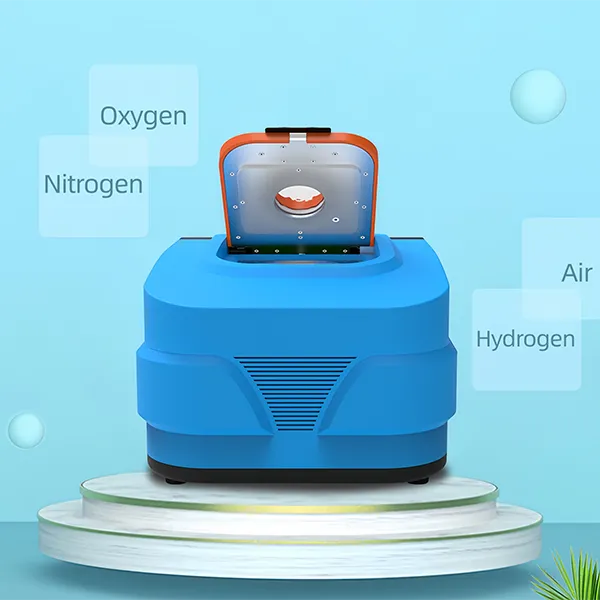
MatMeas SMS-215 High Temperature Gas Sensor Resistance and Resistivity Measurement System
High temperature gas sensor resistance and resistivity measurement system for precise electrical characterization of gas-sensitive materials.
View details →
Technical Guides & Application Notes
Measurement Methods & Metrology Guides
Explore standardized testing procedures, waveform analyses, and physical metrology implemented on this instrument platform.
Alumina Ceramic Substrate Inspection & Testing Guide
A technical guide to alumina ceramic substrate quality inspection, thermal conductivity, high-temperature insulation, and MatMeas HTS-1000HR characterization.
Advanced Ceramic Substrate Electrical Testing Guide
A technical guide to advanced ceramic substrate electrical testing, covering volume resistivity, dielectric breakdown, and MatMeas characterization systems.
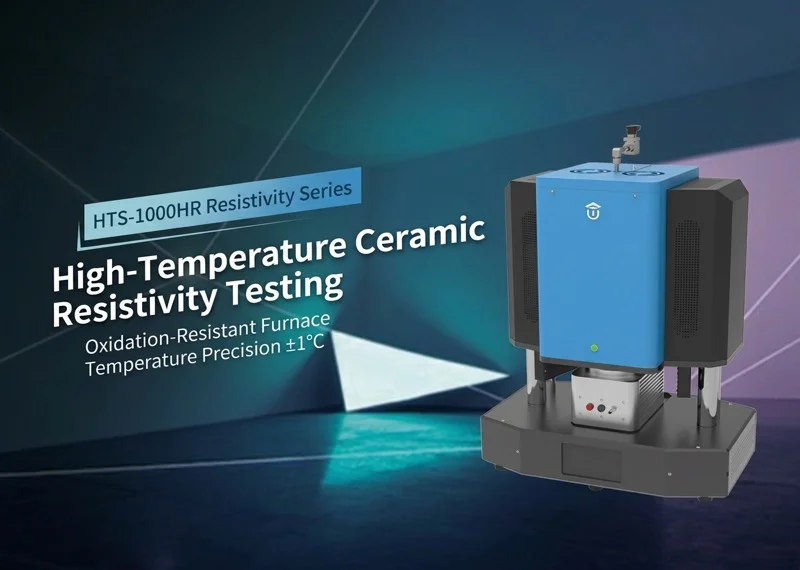
Alumina Ceramic Substrate High-Temperature Resistance Guide
A technical guide to alumina ceramic substrate high-temperature resistance testing, volume resistivity metrology, and defect screening up to 800°C.
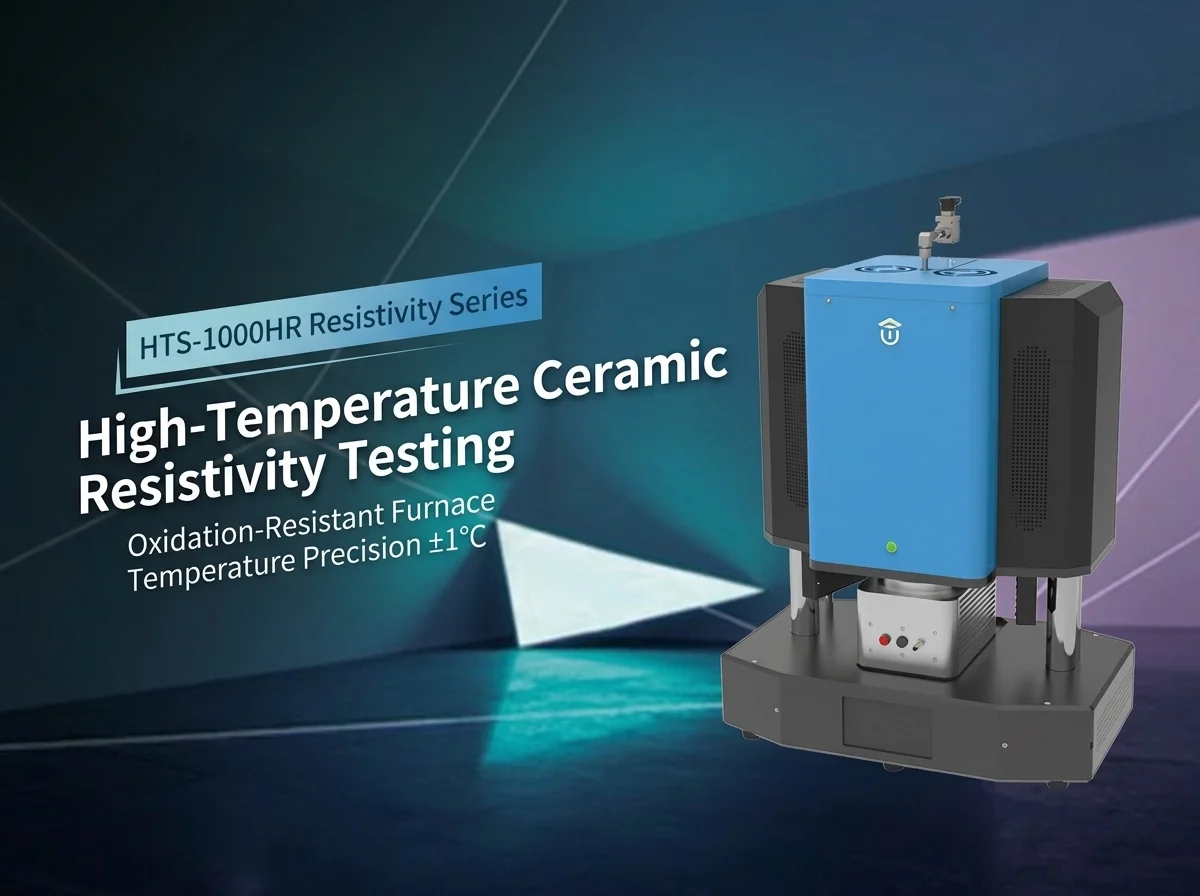
Ceramic High-Temperature Resistivity Testing: Principles and Quality Control
A comprehensive guide to ceramic high-temperature resistivity testing, exploring volume resistivity mechanisms, three-ring electrode guarding, and quality screening.
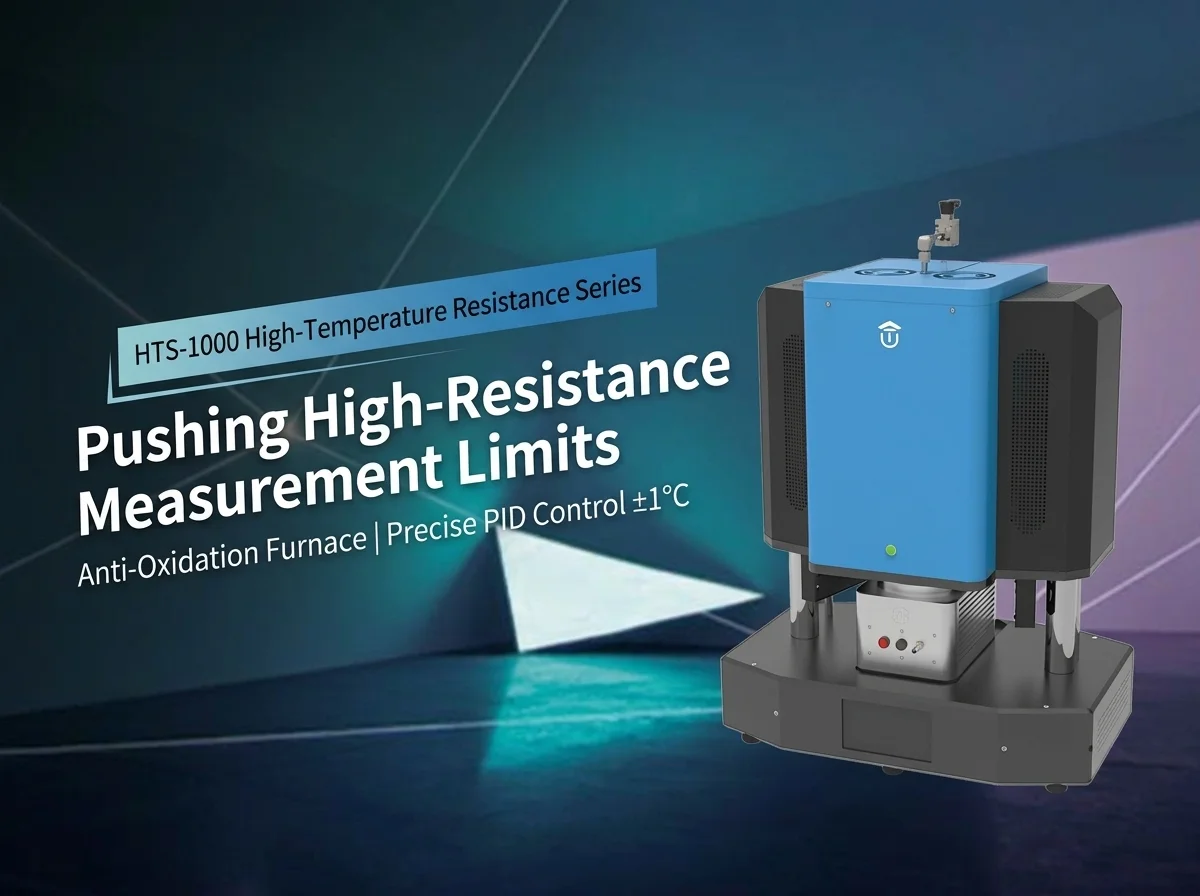
High-Temperature Resistance Testing: Measurement Challenges and Systems
An engineering guide to high-temperature resistance testing, analyzing thermal expansion, electrode oxidation, contact resistance, and advanced characterization systems.
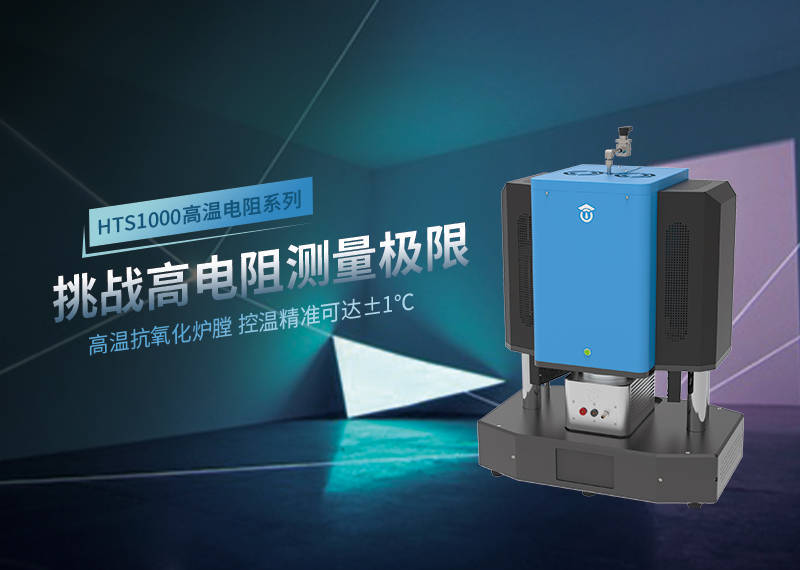
Ceramic Substrate Resistivity Testing: Cryogenic to High Temperature
Evaluate the insulation reliability of ceramic substrates across extreme temperatures. Learn about volume and surface resistivity testing, cryogenic polarization, and high-temperature thermal runaway.
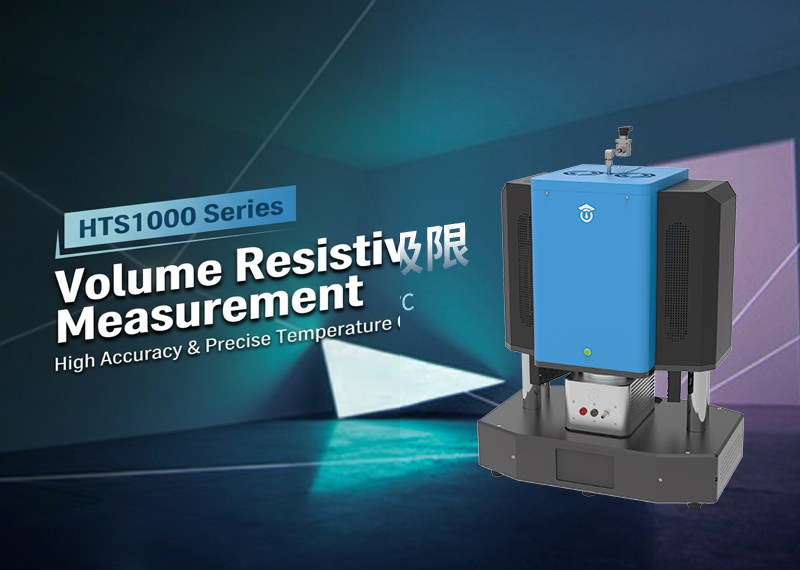
Piezoelectric Ceramic Volume Resistivity Testing: Purpose and Industrial Applications
Volume resistivity testing for piezoelectric ceramics ensures optimal insulation properties, critical for the reliable performance of sensors, actuators, and transducers.
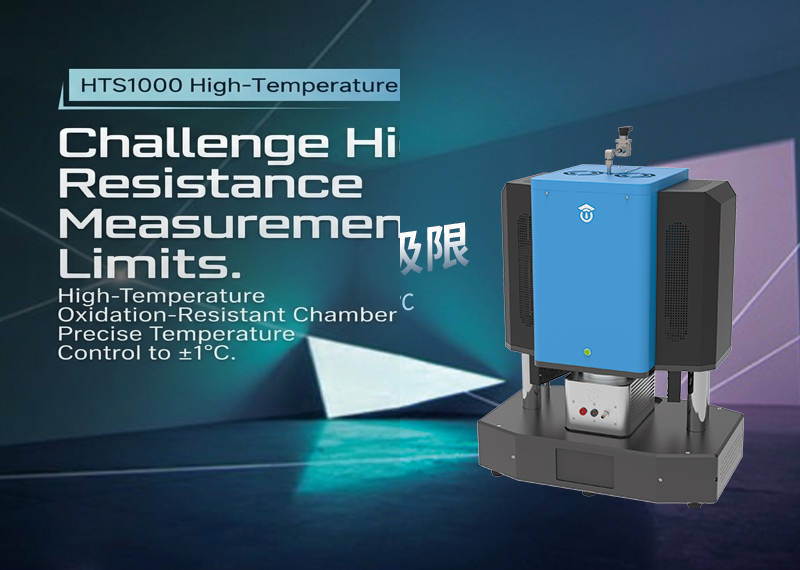
Ceramic Substrate Resistivity Testing Technology and Application Analysis
Volume and surface resistivity testing of ceramic substrates accurately evaluates their insulation performance, supporting high-power electronics and high-frequency communications.
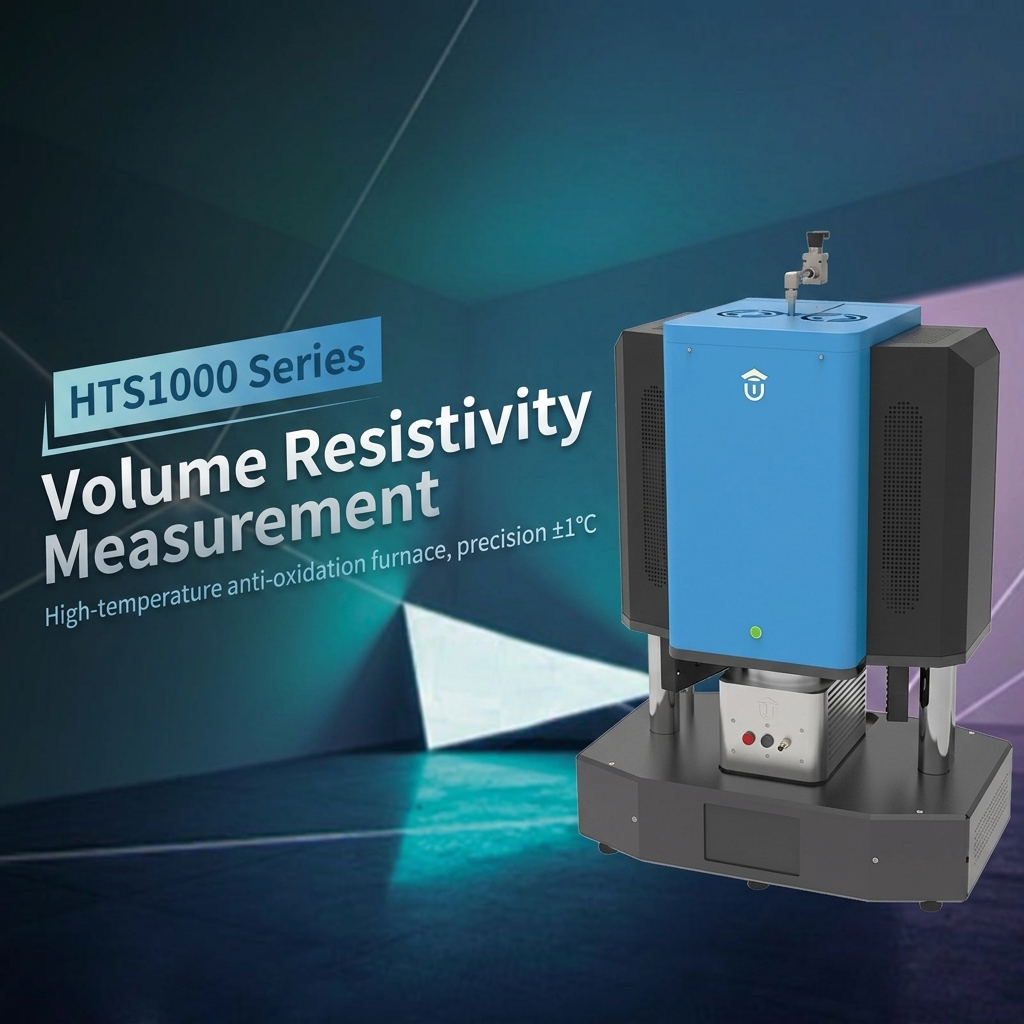
Advancements in Volume Resistivity Testing for Modern Material Science
Volume resistivity testing is a critical metric for evaluating the internal conductivity of materials. Standardized testing supports the development of semiconductors, new energy, and high-voltage power applications.
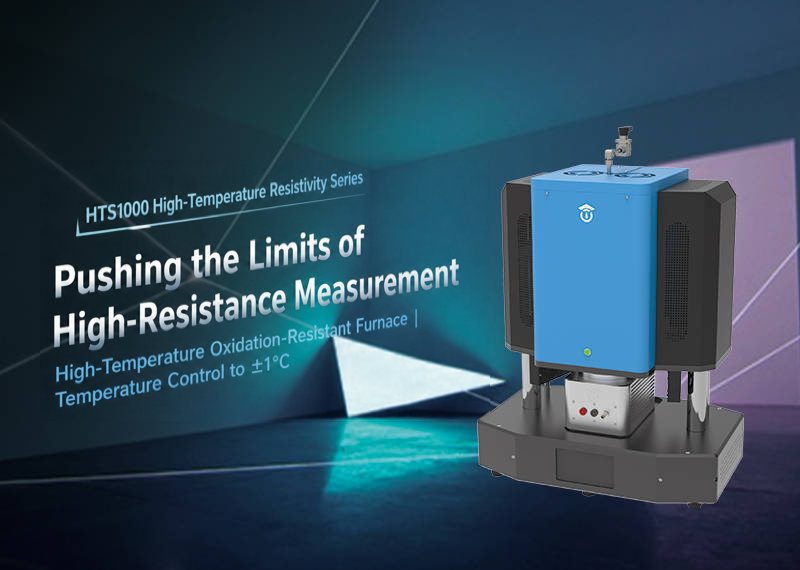
Volume Resistivity Testing of Solid Insulating Materials: Guarded Three-Electrode Method
A practical guide to three-electrode volume resistivity testing, covering guard-electrode measurement principles, sample preparation, and sources of error.
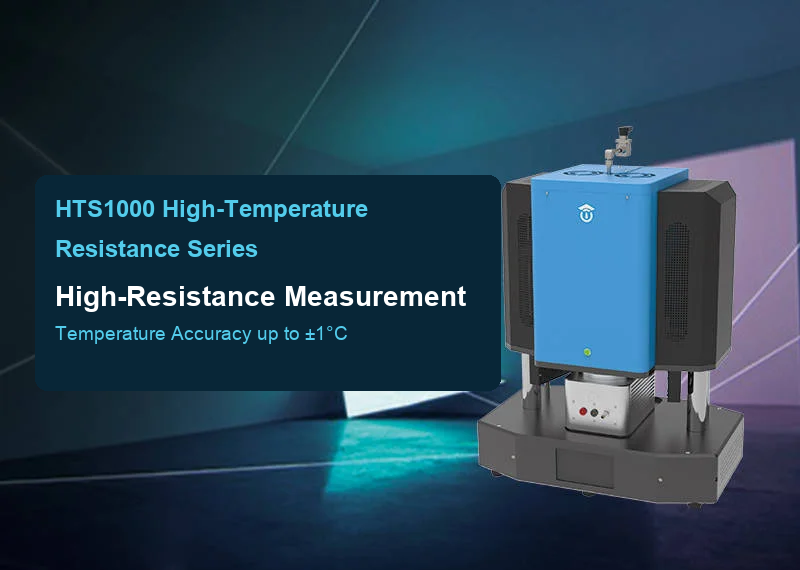
Volume Resistivity Testing of Piezoelectric Ceramics
A technical guide to volume resistivity testing of piezoelectric ceramics, covering guarded three-terminal electrodes, ASTM D257 SOP, and poling safety limits.