
Overview
The RMS1650 Ultra-High Temperature Resistivity Measurement System is engineered for the rigorous electrical characterization of insulating and dielectric materials. Utilizing a proprietary guarded three-terminal electrode configuration—secured by a patented high-temperature fixture design (Patent No. 2019204134342)—the system complies with established testing protocols for determining elevated-temperature bulk and surface resistivity.
The instrument enables the precise, in-situ acquisition of resistance, resistivity, and leakage current degradation kinetics as a function of both temperature and time. Capable of operating under ambient air, vacuum, and flowing gas atmospheres, the RMS1650 is a premier analytical platform for evaluating extreme-environment insulation performance. It has been successfully deployed in the development of critical aerospace sensors and remains the system of choice for advanced high-temperature insulation research across leading academic institutes and industrial R&D centers.
At its core, the system features an imported refractory corundum (alumina) muffle chamber that resists oxidation and supports continuous operation up to 1600°C. A built-in metallic Faraday shield effectively attenuates external AC electromagnetic interference, working alongside a high-stability PID controller to achieve an exceptional thermal regulation accuracy of ±0.5°C. Pure platinum electrode fixtures ensure uncompromised corrosion and oxidation resistance, facilitating rapid thermal equilibration and stable ohmic contacts. Additionally, guarded analog signal routing minimizes parasitic capacitance and AC noise from the furnace heating elements, thereby significantly extending the test frequency bandwidth and data fidelity.
Specifications
| Temperature Range | RT to 1600°C |
| Thermal Control Accuracy | ±0.5°C |
| Heating Rate | 0-10°C/min (Typical: 3°C/min) |
| Sample Geometry | Disks: φ < 20 mm, t < 5 mm (RMS1650I/S/P) Bars: 10 × 10 × 20 mm (RMS1650C) |
| Operating Ambient Environment | 5°C to 40°C |
| Measurement Atmosphere | Air / Flowing Gas |
| Measurement Channels | Single Channel |
| Electrode Material | Pure Platinum |
| Measurement Accuracy | Instrument range-dependent |
| Power Supply | 220V / 50-60Hz, 4800W |
| Dimensions (L × W × H) | 1260 × 760 × 1727 mm |
| Weight | 200 kg |
| Warranty | 1 Year |
Applications
- High-temperature electrical characterization of dielectric and insulating ceramics.
- Degradation kinetics and leakage current analysis for aerospace sensors.
- Evaluation of extreme-environment insulation performance for advanced materials.
FAQ
Why do 2-wire measurements fail completely when measuring ultra-high resistivity at 1600°C?
At 1600°C, the surface of the ceramic sample and the surrounding atmosphere become slightly conductive, creating massive surface leakage currents that artificially lower the measured resistance. The MatMeas RMS1650 eliminates this fundamental error by utilizing a proprietary guarded three-terminal electrode configuration that mathematically shunts the surface leakage to ground, ensuring you measure only the true bulk volume resistivity.How does the RMS1650 protect its ultra-sensitive electrometer from 1600°C thermal noise?
Standard high-temperature setups suffer from severe thermal EMF and electromagnetic noise emitted by the heating elements. The RMS1650 integrates a heavily shielded, actively cooled measurement core that isolates the picoammeter (pA) circuitry from the furnace, delivering absolutely pristine leakage current kinetics at extreme temperatures.What is the maximum continuous operating temperature of the RMS1650?
The RMS1650 features an imported refractory corundum (alumina) muffle chamber, allowing it to safely and stably maintain thermal conditions up to 1600°C without oxidation.How does the system mitigate electromagnetic interference (EMI) at high temperatures?
The system utilizes a built-in metallic Faraday shield alongside guarded analog signal routing (simulated wire shielding). This minimizes parasitic capacitance and eliminates AC noise induced by the furnace heating elements, ensuring high-fidelity measurements.What are the compatible sample geometries for the test fixture?
The standard models (RMS1650I/S/P) accommodate circular disk samples with a diameter < 20 mm and thickness < 5 mm. The RMS1650C model is specifically designed for rectangular bars measuring 10 × 10 × 20 mm.
Related Products
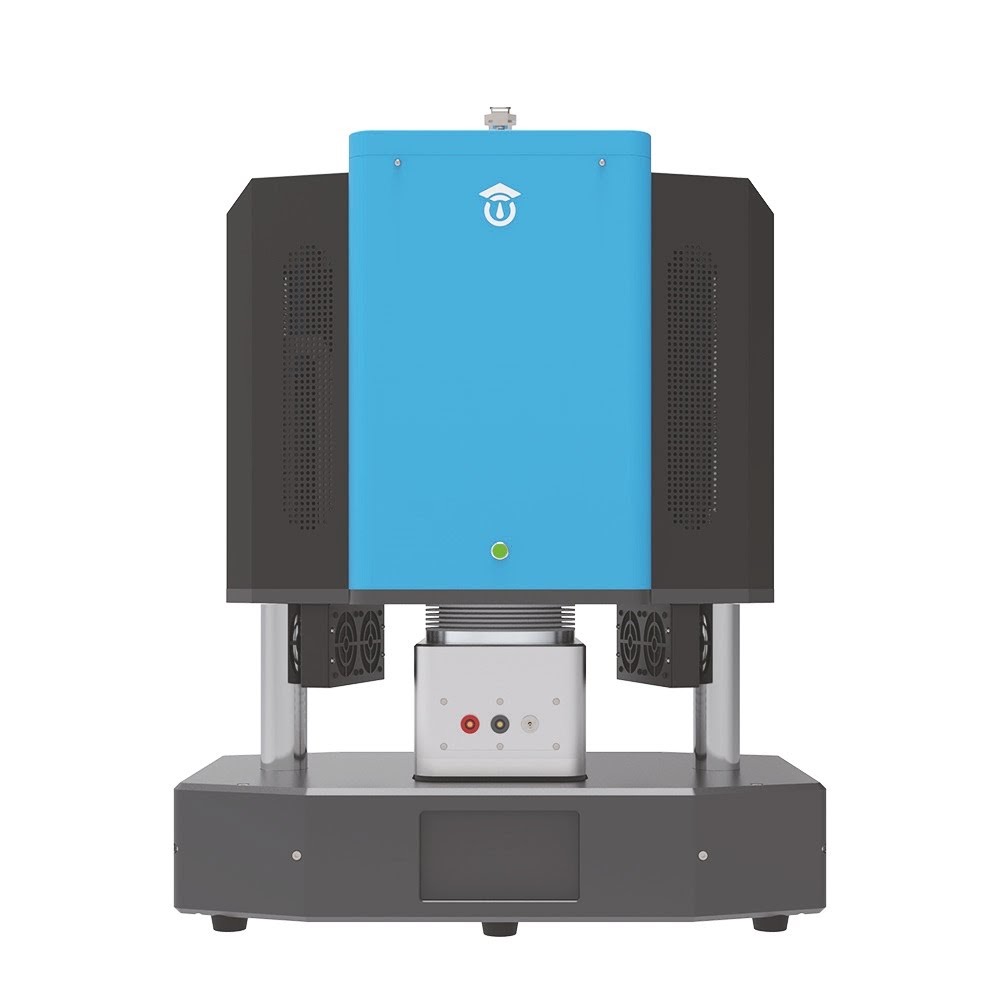
HTS1000HR High Temperature Resistivity Measurement System
The HTS1000HR is an advanced, integrated testing platform specifically engineered to precisely evaluate the electrical conductivity and insulation properties of advanced materials at extreme temperatures up to 800℃. By supporting various atmospheric conditions and offering an ultra-wide resistance measurement range, it serves as an indispensable characterization tool for material research and industrial quality control.
View details →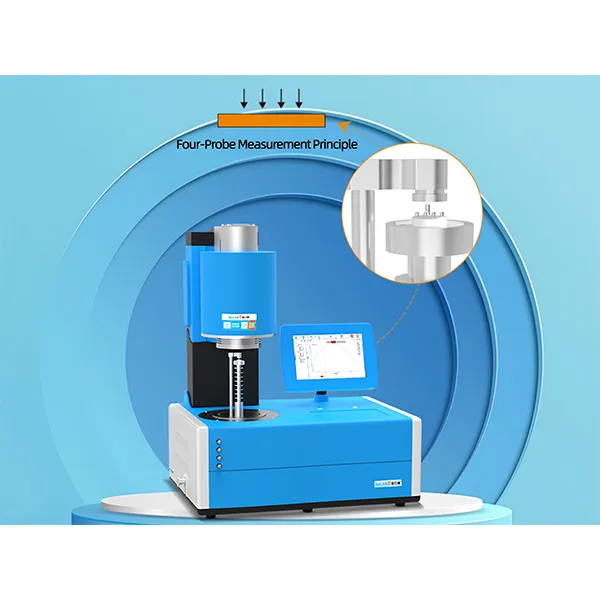
MatMeas RMS-1000P High-Temp Four-Point Probe Resistivity System
RMS-1000P uses four-point probe method for thin film and wafer resistivity measurement, featuring dual-electrostatic measurement, 0.1mΩ~100MΩ range, and specialized fixture for semiconductor materials.
View details →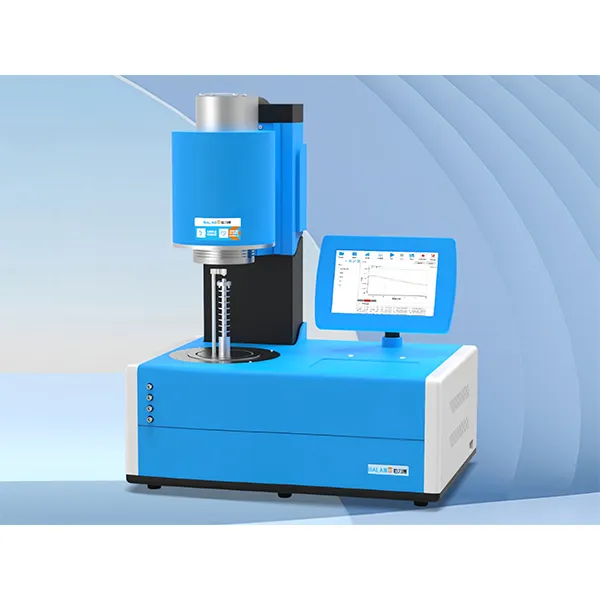
MatMeas RMS-1000S High-Temp Semiconductor Resistivity System
RMS-1000S is optimized for semiconductor bulk materials with four-wire method, offering 0.1mΩ~100MΩ measurement range, spring-loaded platinum electrodes, and multiple atmosphere environments for complex resistivity characterization.
View details →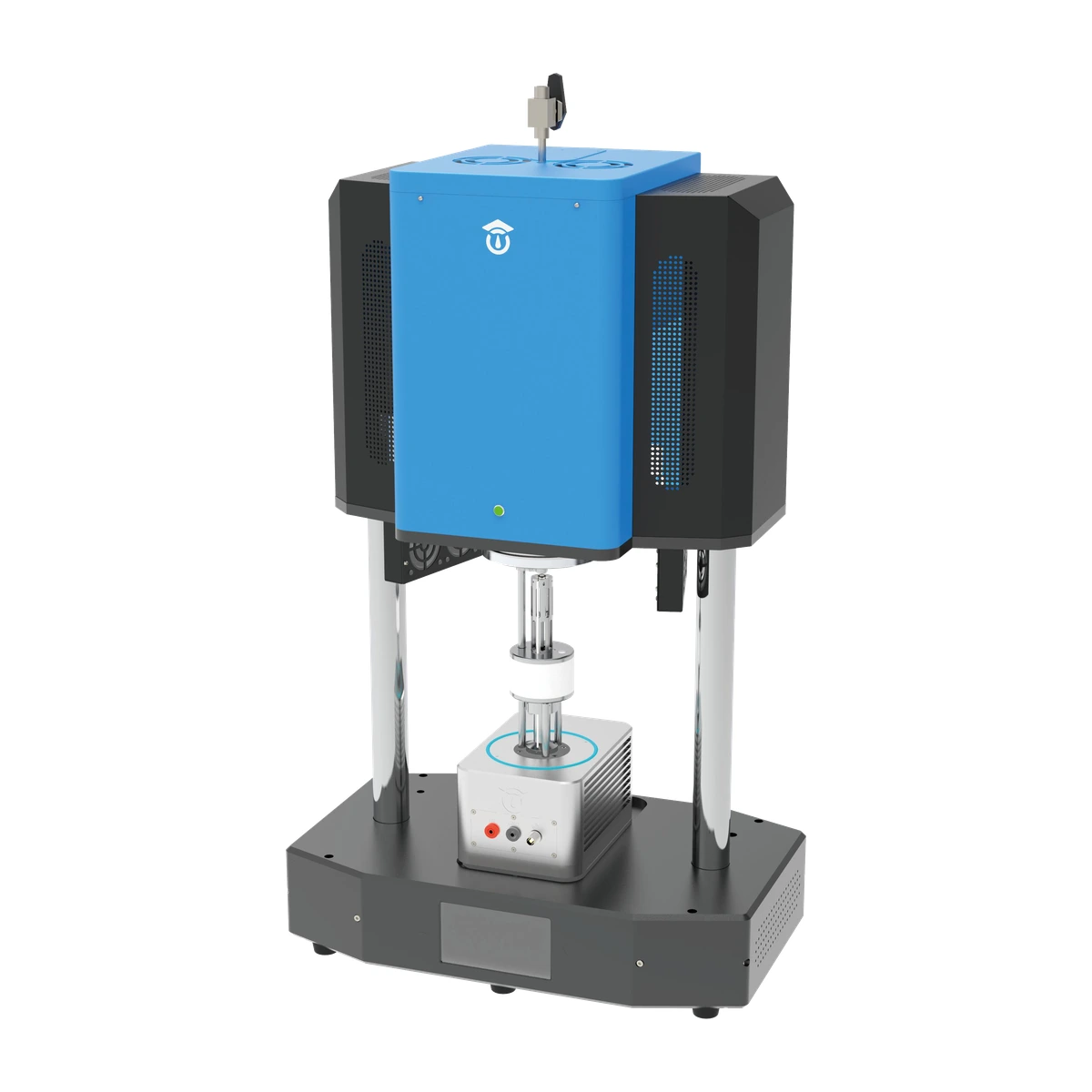
MatMeas RTS-1000C High-Temp Conductive Material Resistivity System (Upgraded from RMS-1000C)
The MatMeas RTS-1000C is the next-generation flagship evolution of the earlier RMS-1000C system, purpose-built for precision high-temperature conductive material resistivity measurement via four-wire Kelvin method. Delivering nΩ-to-MΩ resolution (10 nΩ to 100 MΩ) from RT to 600°C (standard, with optional package up to 1000°C under controlled N₂/Ar), the upgraded platform features 99% zirconia thermal isolation, a rigid motorized test stand, and hybrid platinum/tungsten-carbide probes for vacuum and controlled atmospheres.
View details →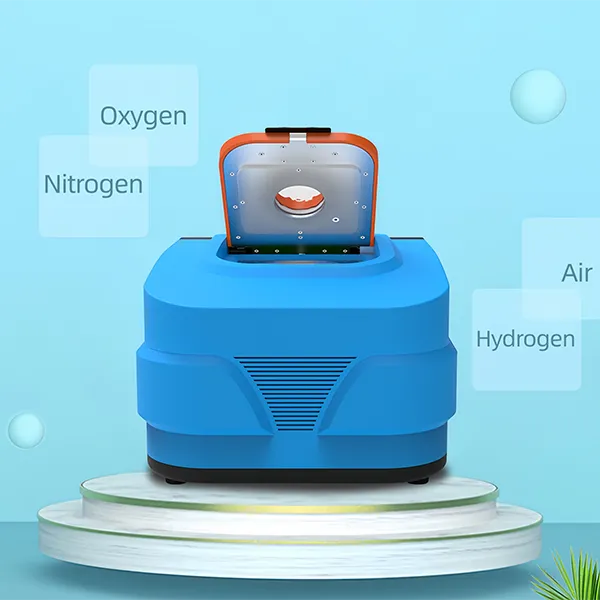
MatMeas SMS-215 High Temperature Gas Sensor Resistance and Resistivity Measurement System
High temperature gas sensor resistance and resistivity measurement system for precise electrical characterization of gas-sensitive materials.
View details →
Technical Guides & Application Notes
Measurement Methods & Metrology Guides
Explore standardized testing procedures, waveform analyses, and physical metrology implemented on this instrument platform.
Ceramic Substrate Resistivity Testing: Cryogenic to High Temperature
Evaluate the insulation reliability of ceramic substrates across extreme temperatures. Learn about volume and surface resistivity testing, cryogenic polarization, and high-temperature thermal runaway.
Piezoelectric Ceramic Volume Resistivity Testing: Purpose and Industrial Applications
Volume resistivity testing for piezoelectric ceramics ensures optimal insulation properties, critical for the reliable performance of sensors, actuators, and transducers.
Ceramic Substrate Resistivity Testing Technology and Application Analysis
Volume and surface resistivity testing of ceramic substrates accurately evaluates their insulation performance, supporting high-power electronics and high-frequency communications.
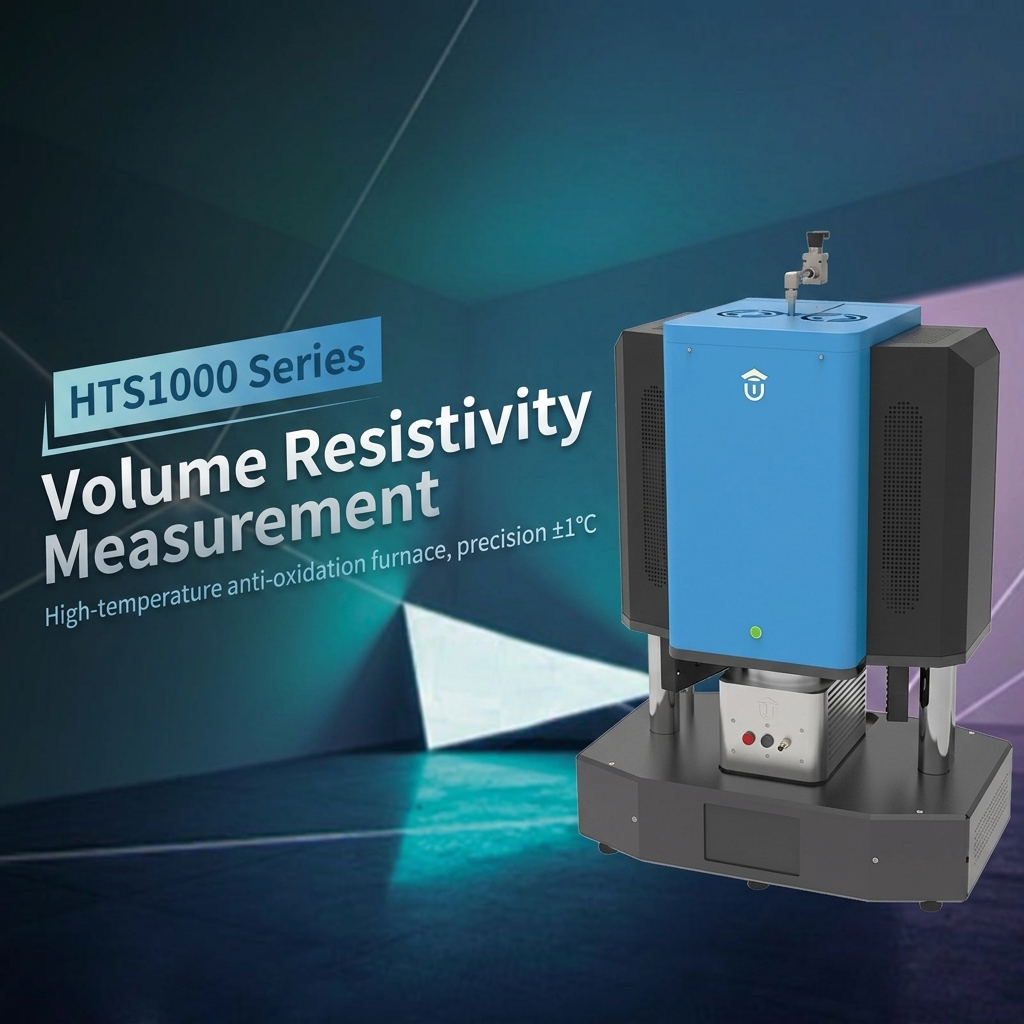
Advancements in Volume Resistivity Testing for Modern Material Science
Volume resistivity testing is a critical metric for evaluating the internal conductivity of materials. Standardized testing supports the development of semiconductors, new energy, and high-voltage power applications.
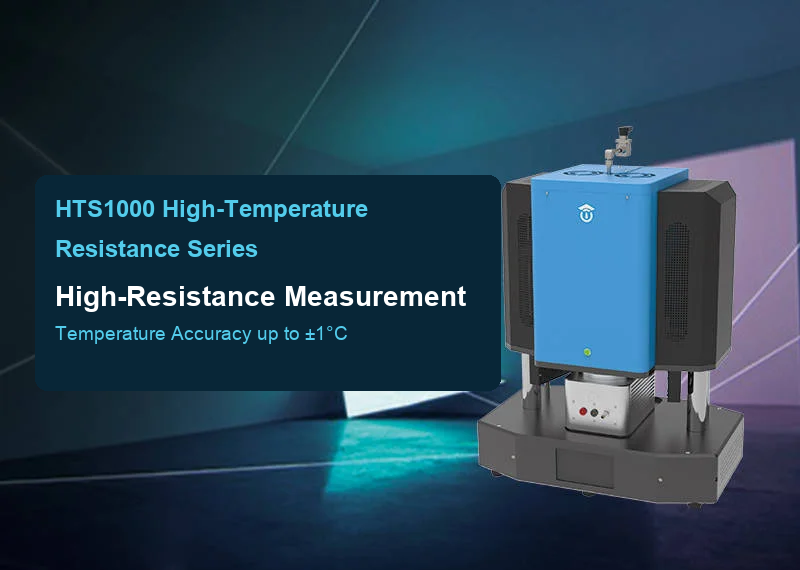
Volume Resistivity Testing of Piezoelectric Ceramics
A technical guide to volume resistivity testing of piezoelectric ceramics, covering guarded three-terminal electrodes, ASTM D257 SOP, and poling safety limits.