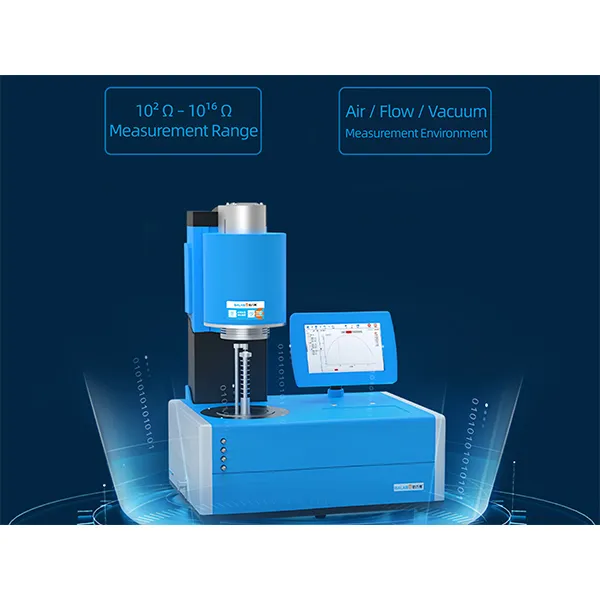
Overview
RMS-1000P High-Temp Four-Point Probe Resistivity Measurement System is designed for semiconductor thin films and wafer characterization. As an experienced semiconductor test equipment factory, we provide precise sheet resistance and resistivity measurement using dual electrostatic method. The system handles silicon, germanium, GaAs, and ITO films with specialized spring-loaded probe fixture, supporting RT-1000°C testing in vacuum or controlled atmospheres for R&D laboratories and wafer manufacturers.
Specifications
| Parameter | Value |
| Measurement Principle | In-line four-probe method; dual electrical-measurement combination |
| Main Measurement | Resistivity & sheet resistance |
| Range | 0.1 mΩ–100 MΩ |
| Max Furnace Temperature | Up to 1100°C |
| Atmosphere | Inert/oxidizing/reducing; vacuum; flowing atmosphere |
| Notable Features | One-touch lift; thin-film-friendly probe; professional thin-film software |
| Temperature Range | RT-600°C / 1000°C |
| Temperature Control Accuracy | ±0.5°C |
| Temperature Control Method | PID precision control |
| Heating Rate | 0-10°C/min (typical 3°C/min) |
| Resistance Range | 0.1mΩ ~ 100MΩ |
| Resistivity Range | 1mΩ.cm ~ 10MΩ.cm |
| Sheet Resistance Range | 0.1mΩ ~ 100MΩ |
| Sample Specification | Thin film 15-30mm, d<4mm |
| Measurement Method | Four-point probe dual electrostatic |
| Electrode Material | Tungsten carbide / Platinum probes |
| Needle Insulation Resistance | ≥1000MΩ |
| Insulation Material | 99% alumina ceramic |
| Display | 10.1" color touchscreen |
| Data Interface | USB |
| Communication Interface | LAN port |
| Data Storage | TXT format |
| Dimensions (L×H×W) | 630×640×450mm |
| Weight | 42.5kg |
| Power Supply | 220V±10%, 50Hz, 2.6kW |
| Standards | ASTM F84, GB/T1551-2009, GB/T1551-1995 |
Applications
- RMS-1000P is specialized for semiconductor thin film characterization including silicon wafers, germanium substrates, GaAs, InSb, GaAsAl, GaAsP, solid solution semiconductors, and ITO conductive glass. Critical for solar cell manufacturing, LED production, integrated circuit development, and transparent conductive film research.
More Details
Four-Probe Advantage
Classic in-line probe design helps avoid damage to thin-film samples.
Atmosphere Options
Supports inert/oxidizing/reducing atmospheres, vacuum, and flowing gas for temperature-dependent measurements.
FAQ
How does the RMS-1000P prevent catastrophic electrostatic discharge (ESD) from destroying semiconductor thin films?
Standard 4-point probes often carry residual static charges that instantly punch through and vaporize nanometer-thick semiconductor layers during contact. The MatMeas RMS-1000P is engineered with a proprietary dual-electrostatic protection system, strictly neutralizing all charges before the probe touches the wafer, guaranteeing 100% non-destructive testing for delicate thin films.Why do manual 4-point probes produce wild variations in sheet resistance data?
Manual probes suffer from inconsistent contact pressure and micro-scratching, leading to wildly unstable resistance readings, especially on ultra-thin wafers. The RMS-1000P features a highly specialized, precision-engineered motorized fixture that guarantees absolute, repeatable contact force across an ultra-wide measurement range (0.1mΩ to 100MΩ).What is the primary measurement principle of RMS-1000P?
The RMS-1000P uses the classic in-line four-point probe method combined with a dual-configuration electrical measurement method (forward and reverse current sweeps). By applying a constant current through the outer two probes and measuring the voltage drop across the inner two probes, it effectively eliminates contact resistance and probe wire resistance. The dual-configuration technique mathematically corrects for geometry and boundary errors, ensuring extremely precise and repeatable sheet resistance and resistivity measurements of thin films and semiconductor wafers at high temperatures.What sample shapes and forms are supported?
The system supports standard sample geometries including solid blocks, circular thin-sheet discs, and rectangular bars with specialized test fixtures.Does RMS-1000P comply with international laboratory standards?
Yes, all measurements fully align with international norms such as ASTM, IEEE, and GB/T standards to deliver publishable, research-grade data.
Related Products
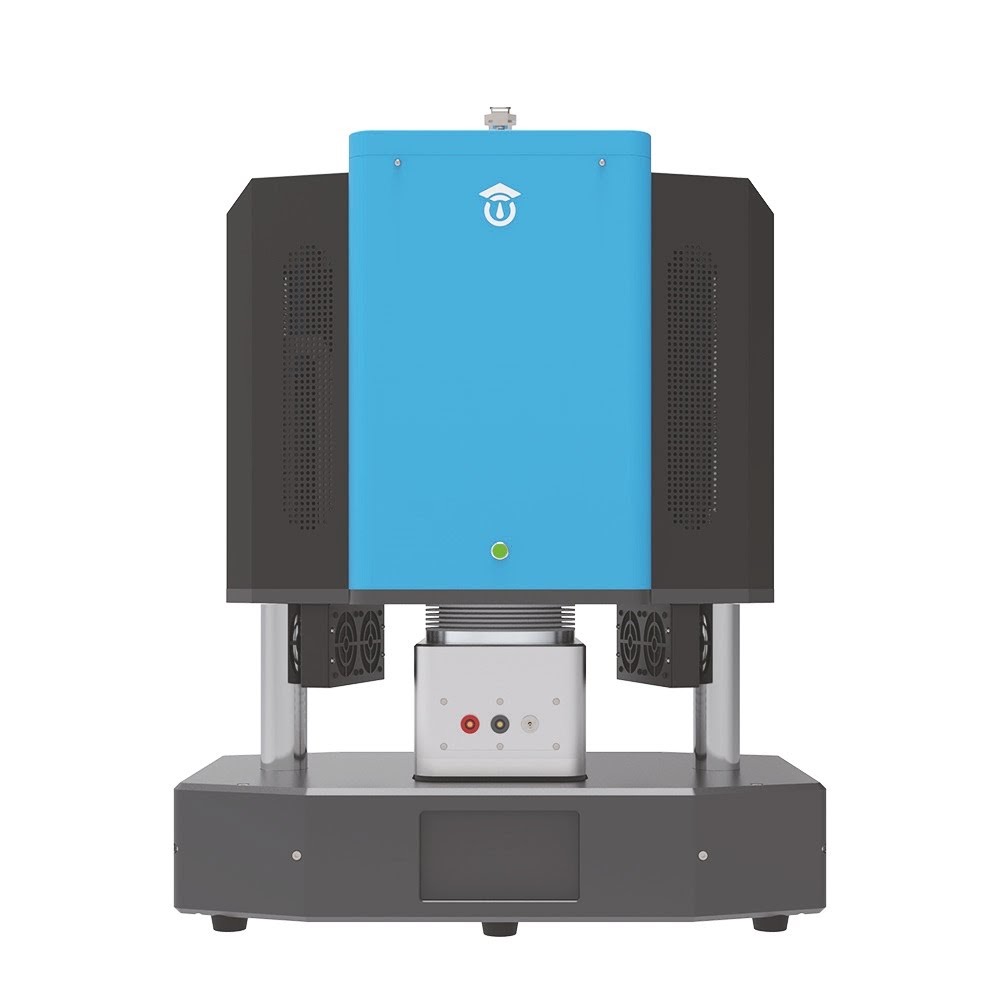
HTS1000HR High Temperature Resistivity Measurement System
The HTS1000HR is an advanced, integrated testing platform specifically engineered to precisely evaluate the electrical conductivity and insulation properties of advanced materials at extreme temperatures up to 800℃. By supporting various atmospheric conditions and offering an ultra-wide resistance measurement range, it serves as an indispensable characterization tool for material research and industrial quality control.
View details →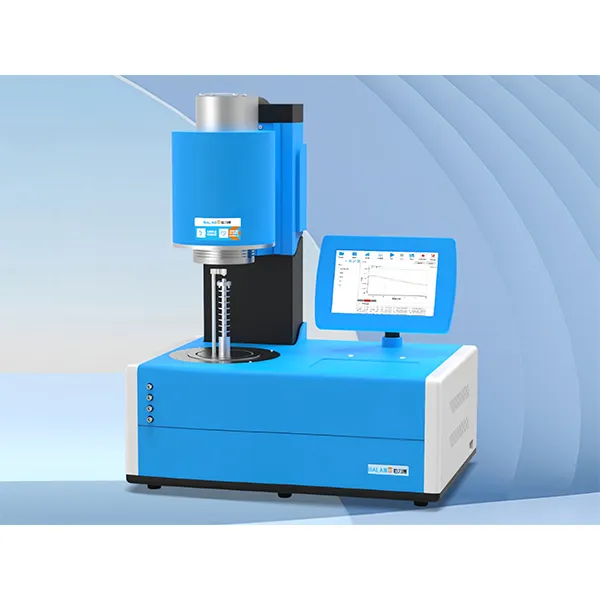
MatMeas RMS-1000S High-Temp Semiconductor Resistivity System
RMS-1000S is optimized for semiconductor bulk materials with four-wire method, offering 0.1mΩ~100MΩ measurement range, spring-loaded platinum electrodes, and multiple atmosphere environments for complex resistivity characterization.
View details →
RMS1650 Ultra-High Temperature Resistivity Measurement System
The RMS1650 Ultra-High Temperature Resistivity Measurement System is engineered for the rigorous electrical characterization of insulating and dielectric materials up to 1600°C. Utilizing a proprietary guarded three-terminal electrode configuration, the system enables in-situ acquisition of resistivity and leakage current kinetics under extreme temperatures, vacuum, and controlled gas atmospheres.
View details →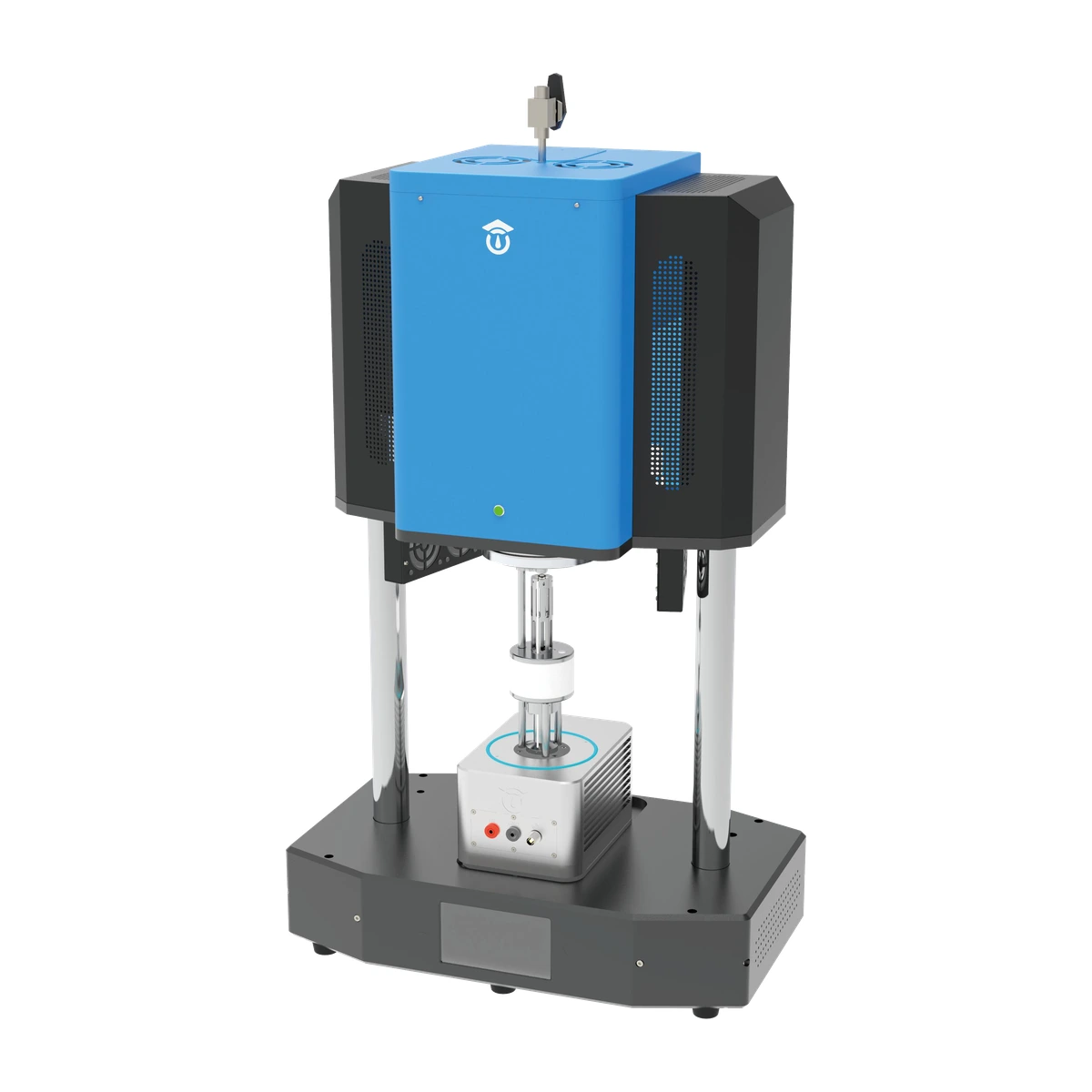
MatMeas RTS-1000C High-Temp Conductive Material Resistivity System (Upgraded from RMS-1000C)
The MatMeas RTS-1000C is the next-generation flagship evolution of the earlier RMS-1000C system, purpose-built for precision high-temperature conductive material resistivity measurement via four-wire Kelvin method. Delivering nΩ-to-MΩ resolution (10 nΩ to 100 MΩ) from RT to 600°C (±1°C PID), the upgraded platform features 99% zirconia thermal isolation, a rigid motorized test stand, and hybrid platinum/tungsten-carbide probes for vacuum and controlled atmospheres.
View details →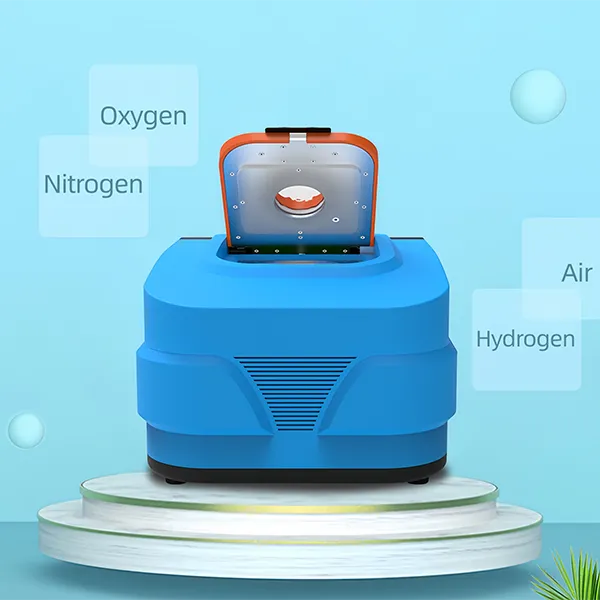
MatMeas SMS-215 High Temperature Gas Sensor Resistance and Resistivity Measurement System
High temperature gas sensor resistance and resistivity measurement system for precise electrical characterization of gas-sensitive materials.
View details →