Overview
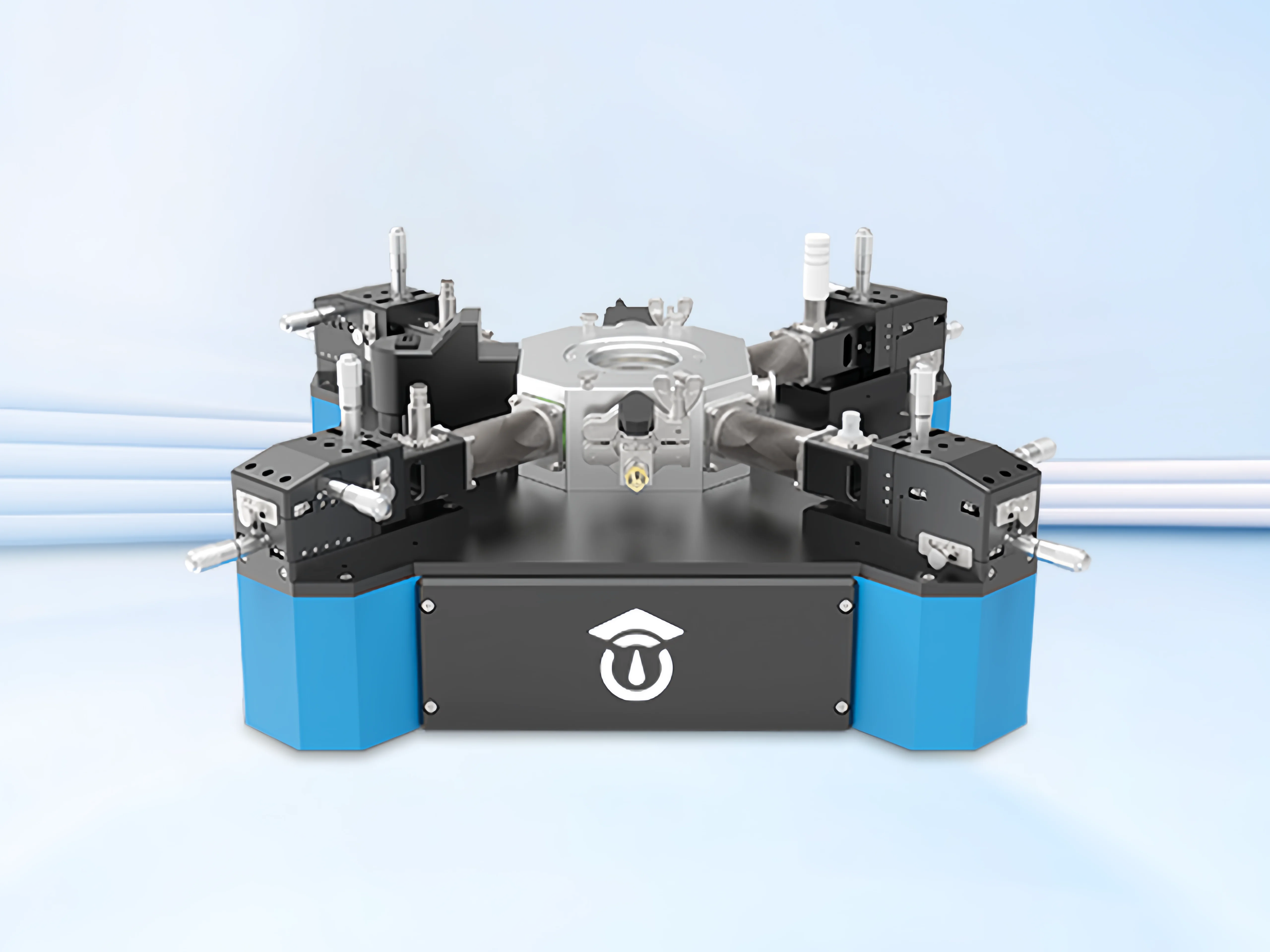
MatMeas CPS7000 Cryogenic Vacuum Probe Station – a compact benchtop system designed for precise electrical measurements of bulk, thin film, and multilayer materials. The instrument supports a wide temperature range from -160℃ to 450℃ using liquid nitrogen cooling, with excellent temperature stability (±0.5℃) and programmable ramp rates. Equipped with four micro-manipulated probe arms, it enables accurate contacting for diverse tests including dielectric, ferroelectric, piezoelectric, pyroelectric, and TSDC measurements. The CPS7000 is an essential tool for universities, research institutes, aerospace, and high-reliability labs requiring reliable vacuum and variable-temperature probing.
Specifications
| Temperature Range | -160℃ to 450℃ (Liquid nitrogen refrigeration) |
| Temperature Control Accuracy | ±0.5℃ |
| Heating / Cooling Rate | 1~10℃/min (Typical value 3℃/min, program adjustable) |
| Number of Probe Arms | 4 (Semi-automatic operation) |
| Sample Size Capacity | φ < 40 mm, d < 5 mm |
| Optical Observation Window | φ55 mm quartz glass |
| Anti-Vibration Design | Built-in air shock mechanism |
| Supported Modules | Dielectric, Resistance, Pyroelectric, TSDC |
| Dimensions & Weight | 435 × 435 × 205 mm (L×W×H), 25 kg (Desktop design) |
| Power Supply | 220V ±10%, 50Hz |
| Warranty | 1 Year |
Applications
- Ferroelectric & Piezoelectric Materials
- Dielectric Thin Films
- Pyroelectric & TSDC Studies
- Optoelectronic Materials
- Semiconductor Devices
- Multiferroic & Memristor Research
FAQ
How does the CPS7000 compare to traditional cryogenic probe stations like Lake Shore or Janis?
The CPS7000 is designed to deliver measurement performance and thermal stability comparable to premium American brands such as Lake Shore and Janis. However, it achieves this within a highly integrated, compact desktop footprint (only 435×435×205mm). It saves valuable laboratory space while maintaining an exceptional ultra-wide temperature range from -160°C to 450°C.How does the system prevent mechanical vibration and ensure stable electrical contact during testing?
A major challenge in microscopic probe measurements is environmental vibration causing probe slippage. The CPS7000 is engineered with a proprietary built-in air shock isolation system that effectively dampens external shaking. This guarantees perfectly stable physical contact between the 4 semi-automatic probe arms and delicate samples, completely solving the issue of data jumping points during continuous heating tests.What types of advanced electrical characterizations can the CPS7000 perform?
The versatile CPS7000 platform supports a wide array of advanced measurements including dielectric, resistance, pyroelectric, and Thermally Stimulated Depolarization Current (TSDC). It perfectly meets the strict requirements for high-voltage and low-current testing, accommodating samples up to 40 mm in diameter through a 55 mm quartz optical observation window.
Related Products
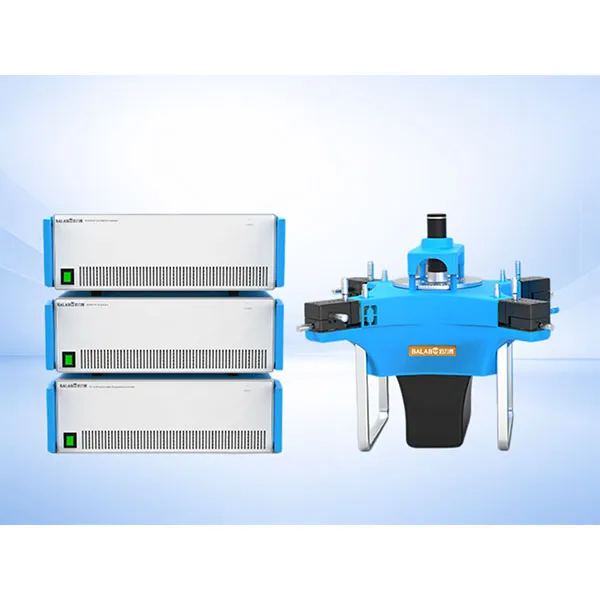
FMS Ferroelectric Measurement Spectrometer - MatMeas
MatMeas High‑precision ferroelectric measurement system for hysteresis loop, fatigue testing and leakage current analysis under extreme temperatures.
View details →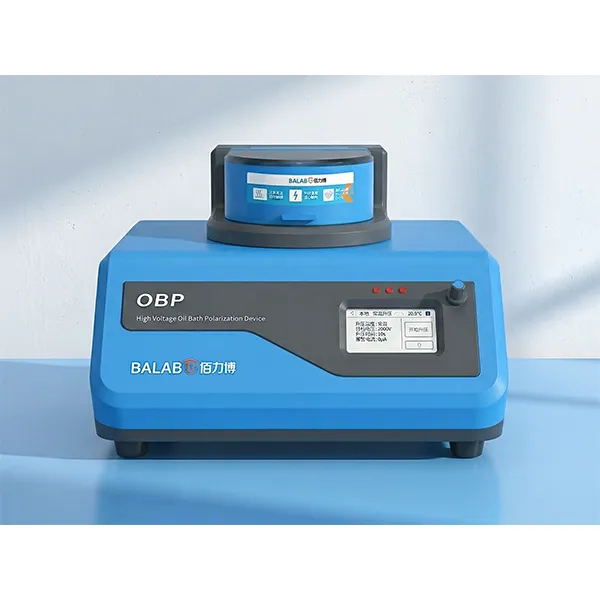
MatMeas OBP Series High Voltage Piezoelectric Ceramic Polarization
MatMeas OBP Series High Voltage Piezoelectric Ceramic Polarization Instrument is a compact, precise lab device designed for bulk and thin-film materials. It helps achieve optimal polarization effects through process optimization.
View details →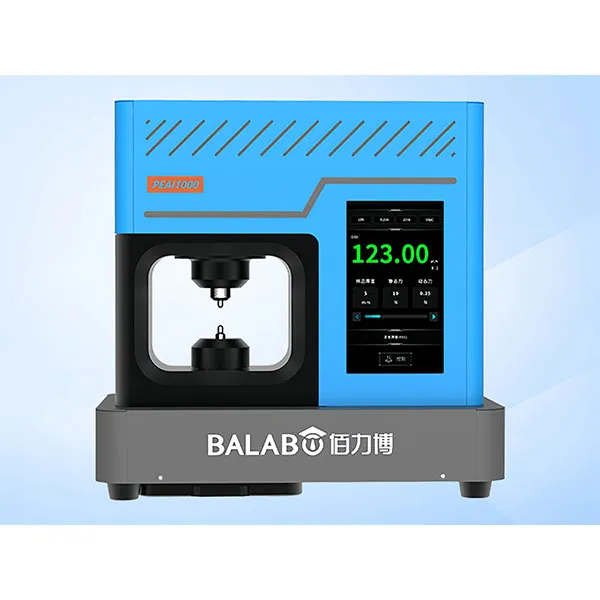
PEAI1000 High-Precision Piezoelectric Analyzer
The MatMeas (formerly BaLab) PEAI1000 is a next-generation High-Precision Piezoelectric Analyzer engineered to evaluate the piezoelectric coefficient (d33) of advanced functional materials. Surpassing the limitations of traditional d33 measuring instruments, it employs an advanced dynamic measurement method integrated with cutting-edge lock-in amplification technology. This architecture strictly suppresses environmental noise, significantly improving the signal-to-noise ratio. Capable of applying variable static clamping forces (1~10N) and precise dynamic test forces (0.1~0.5N), it guarantees an ultra-wide measurement range (0 to 2000 pC/N) with an exceptional accuracy of ±2%. It is an essential, highly reliable tool for the research, application, and mass production of piezoelectric blocks, plates, and delicate thin films.
View details →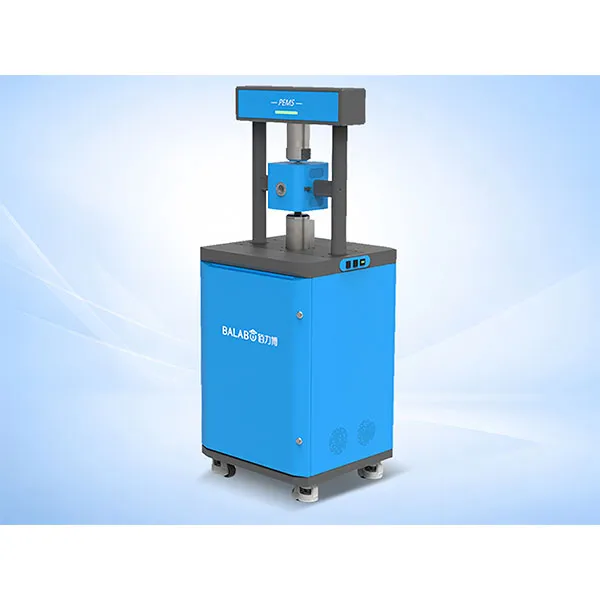
MatMeas High Precision In‑situ d33 Piezoelectric Measurement System – PEMS Analyzer
MatMeas PEMS is a high‑precision in‑situ d33 piezoelectric measurement system for advanced material characterization.
View details →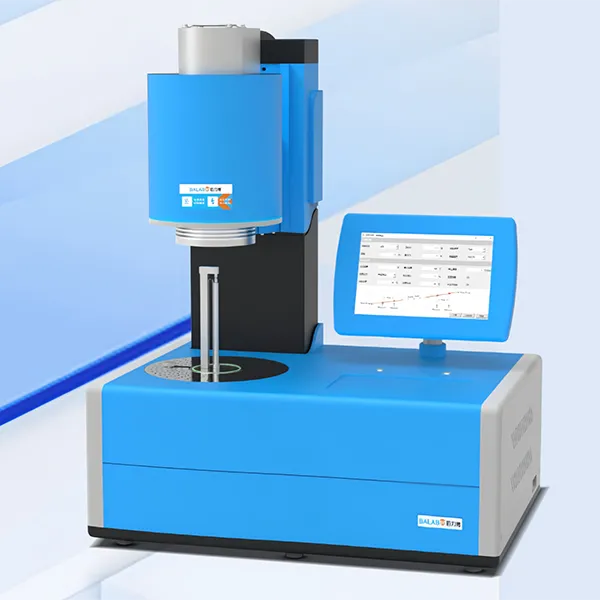
MatMeas PMS-1000 Piezoelectric Temperature Spectrum Measurement System
High-precision piezoelectric temperature spectrum measurement system for analyzing piezoelectric properties under varying temperatures.
View details →