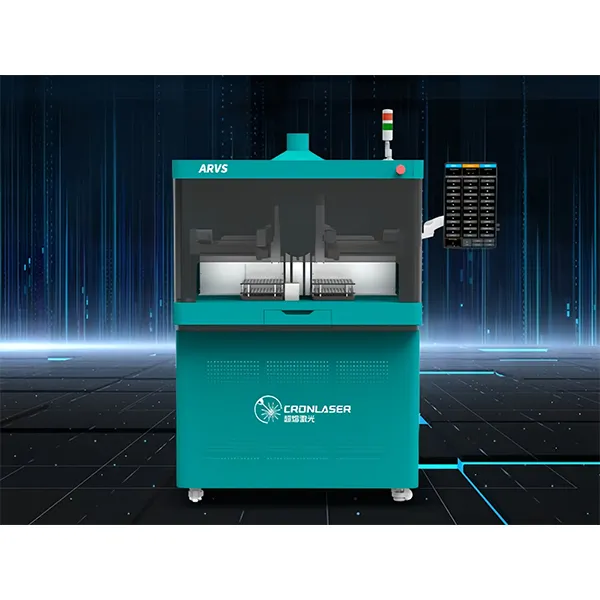
Overview
The system utilizes a clean hydrogen-oxygen flame generated by water electrolysis, reaching flame temperatures of up to 2800°C, and supports configurable vacuum and inert gas processing to meet a wide range of laboratory requirements. Its modular design allows adaptation to different tube sizes, sealing methods and process atmospheres for research and production applications.
The ARVS Series has been adopted by leading research institutions for applications including biological strain preservation, air-sensitive material encapsulation, solid-state synthesis, battery materials research, and advanced functional materials development, providing a reliable and highly repeatable automated sealing solution.
Specifications
| Throughput Capacity | 100 to 156 Tubes (Model dependent) |
| Automation Level | Fully Automated (Robotic XYZ-axis, ±0.05 mm accuracy) |
| Sealing Speed | < 10 s per tube |
| Ultimate Vacuum Limit | Up to 10⁻⁵ Pa |
| Maximum Flame Temperature | 2800 °C (Water Electrolysis Hydrogen-Oxygen Flame) |
| Compatible Tube Specifications | Φ6mm, Φ7mm, Φ8mm (Quartz, High Borosilicate, Ampoules) |
| System Integrity | Helium leak rate ≤ 1 × 10⁻⁸ Pa·m³/s |
| Power Supply | 220 V, 50/60 Hz |
| Power Consumption | 3255 W |
| Equipment Dimensions (L×W×H) | 1110 × 710 × 1696 mm |
| Warranty | 1 Year |
| Ordering Information | ARVS1001 – Vacuum Level < 0.05 MPa |
| ARVS1002 – Vacuum Level < 100 Pa | |
| ARVS1003 – Vacuum Level < 0.01 Pa |
Applications
- Microbial strain preservation
- Pharmaceutical ampoule flame sealing
- Medical thermometer sealing
- One-dimensional material synthesis
- Two-dimensional material encapsulation
Video
FAQ
Why does manual quartz tube sealing often lead to sample oxidation and batch inconsistency?
Manual sealing relies heavily on operator skill, leading to uneven heat distribution and inconsistent vacuum levels, which often causes sample oxidation during high-temperature reactions. The MatMeas ARVS Series completely eliminates this variable by utilizing an automated robotic XYZ positioning system (±0.05 mm precision), ensuring perfect, reproducible seals every time.How does the ARVS Series overcome the low throughput bottleneck of traditional sealing stations?
Traditional single-tube sealing stations are notoriously slow and labor-intensive, bottlenecking pilot-scale production. The MatMeas ARVS is engineered for high throughput, capable of automatically evacuating, backfilling, and sealing up to 100 glass or quartz tubes per batch with zero manual intervention, drastically accelerating your R&D workflow.How does the ARVS system dramatically improve laboratory sealing throughput?
Unlike traditional manual sealing which relies heavily on operator experience and is prone to errors, the ARVS system features an automated robotic handling system. It can process up to 156 tubes in a single batch. With a rapid sealing time of less than 10 seconds per tube, it allows for completely unattended operation, drastically increasing efficiency for mass production.What heating technology is utilized to safely seal quartz and high-borosilicate glass?
The system abandons hazardous traditional bottled gas. Instead, it utilizes an integrated water-electrolysis hydrogen-oxygen generator, producing a highly focused, zero-pollution 2800°C flame. This provides sufficient thermal energy to perfectly seal high-melting-point materials while ensuring a 100% safe laboratory environment with no carbon emissions.What are the core applications of the ARVS automated sealing machine?
The ARVS is extensively deployed in two major advanced fields: Life Sciences for the rigorous vacuum sealing and cryogenic preservation of biological strains and medical agents (meeting standards for long-term storage down to -196°C); and Materials Science for the high-vacuum isolation and solid-phase synthesis of advanced materials, such as doping Boron-carbon nanotubes and synthesizing 2D black phosphorus.
Related Products
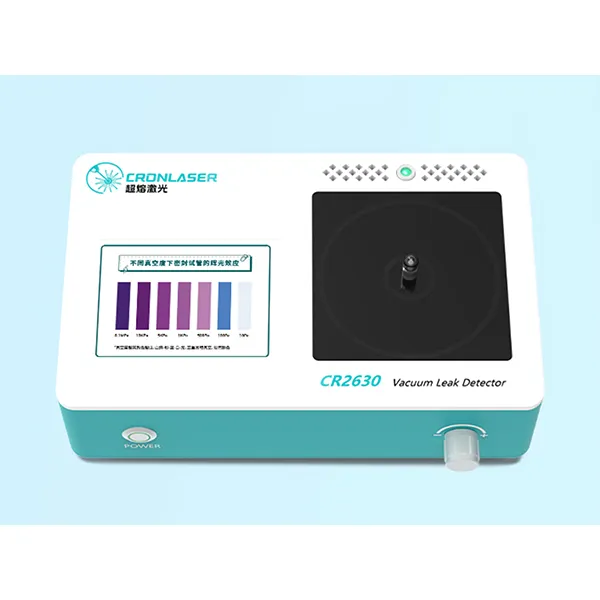
MatMeas CR2630 High Vacuum Leak Detector Portable Glow Discharge Tester for Glass Tube Sealing
MatMeas CR2630 High Frequency Spark Vacuum Leak Detector utilizes the glow discharge principle to quickly assess the vacuum pressure inside sealed glass tubes by observing fluorescence color, referencing a vacuum spectrum standard for instant and convenient leak detection.
View details →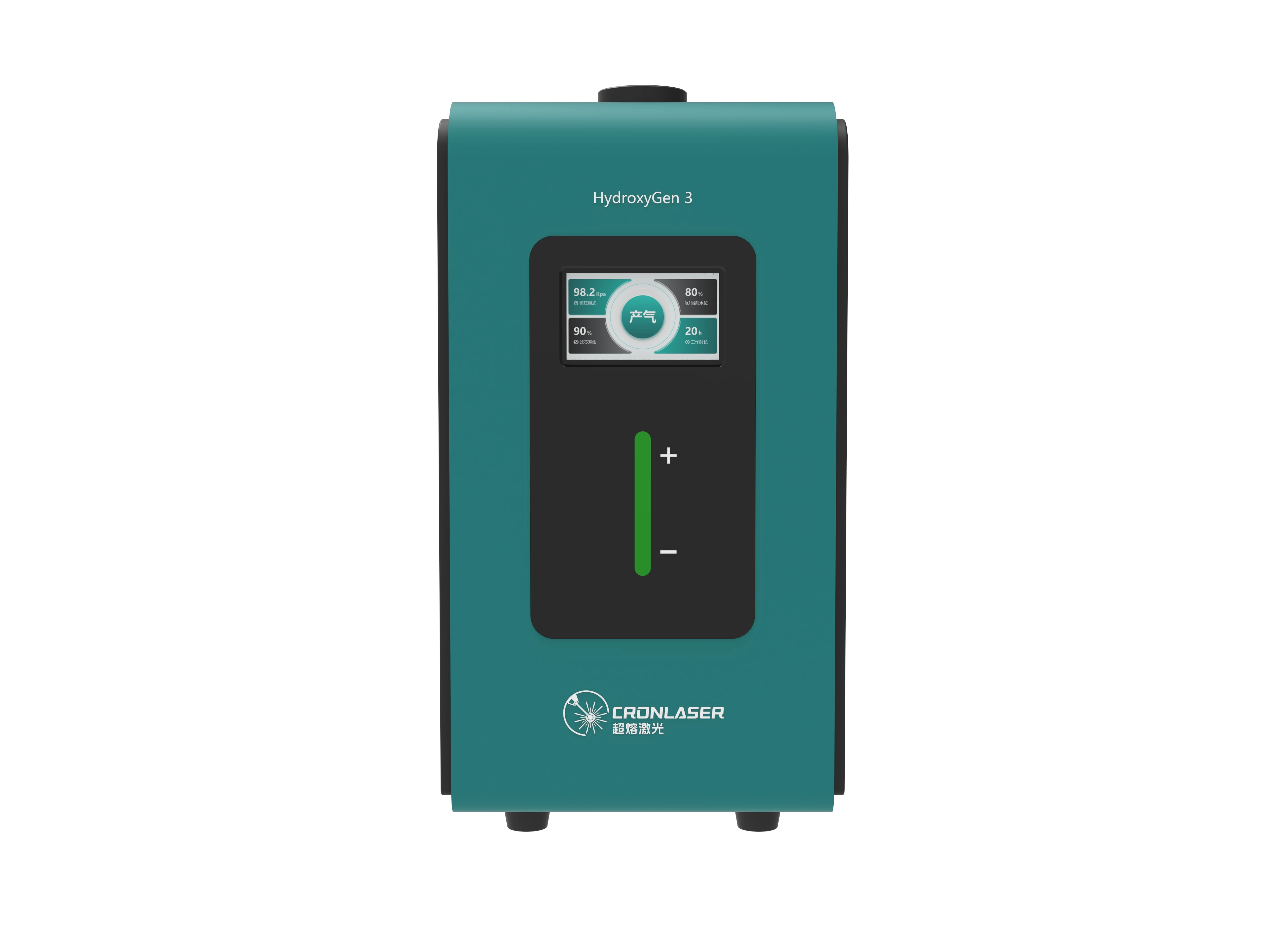
MatMeas HydroxyGen 3 Series Smart Hydrogen-Oxygen Flame Generator
The MatMeas HydroxyGen 3 Series is an industrial-grade, desktop smart hydrogen-oxygen flame generator built on PEM (Proton Exchange Membrane) pure water electrolysis technology. Requiring no hazardous alkaline chemicals whatsoever, it produces a continuous, ultra-pure (≥99.99%) hydrogen-oxygen gas mixture entirely on demand—generating and consuming gas instantaneously with millisecond-level responsiveness. Ignited automatically, the resulting micro-flame reaches temperatures of 2800°C to 3000°C, delivering a perfectly soot-free, contamination-free precision heat source for quartz tube sealing, flame polishing, micro-welding, Verneuil crystal growth, and gas-phase combustion synthesis. Its proprietary triple millisecond safety interlock system, IoT edge intelligence with OTA firmware updates, and ultra-compact footprint (just 15 kg and 1/5 the volume of traditional alkaline systems) make it the definitive clean-heat infrastructure for modern smart laboratories.
View details →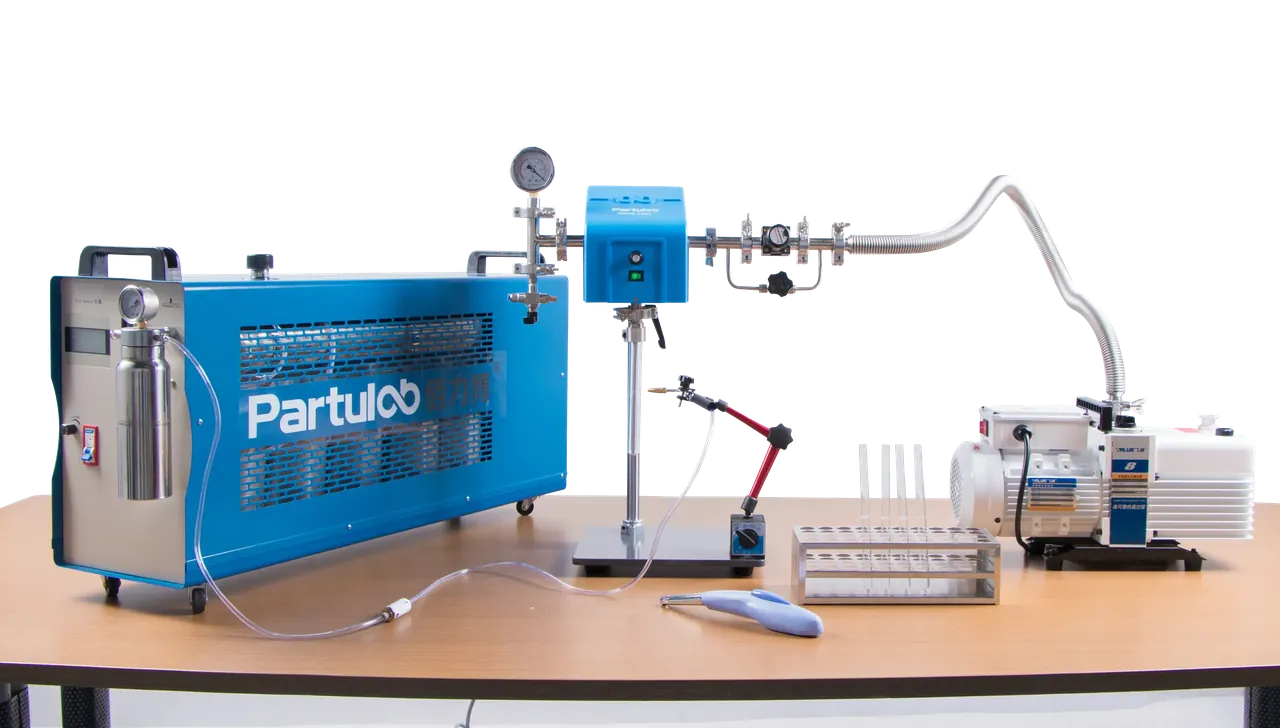
MRVS-1003 Vacuum Rotary Quartz Tube Sealing System
The MatMeas MRVS-1003 is an advanced single-station vacuum sealing machine engineered for the rigorous requirements of high-temperature solid-phase synthesis and oxygen-free/moisture-free sample preservation. Utilizing proprietary magnetic fluid dynamic sealing technology, it allows the quartz tube to rotate automatically at an adjustable speed of 0 to 35 rpm during the vacuuming process. Powered by an eco-friendly water electrolysis system generating a precise 2800℃ hydrogen-oxygen flame (700 L/H), and supporting an ultimate vacuum of up to 10⁻⁵ Pa via German-imported molecular pumps, it ensures perfectly uniform and reliable sealing for thermoelectric materials, 2D materials, and delicate powder samples.
View details →