Overview
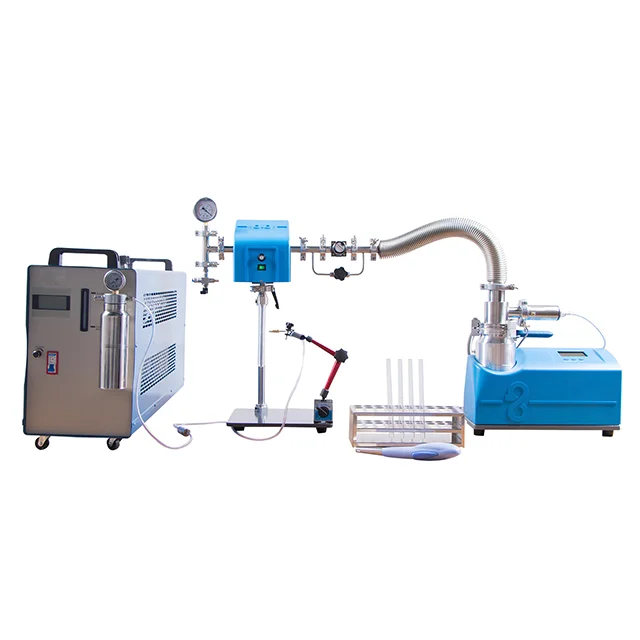
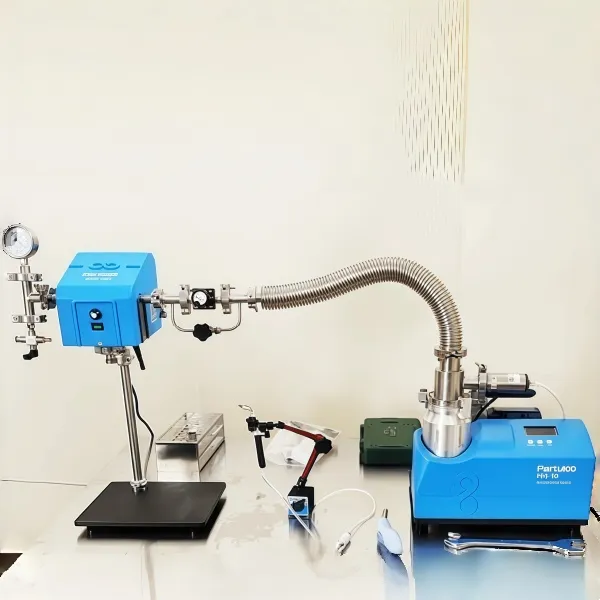
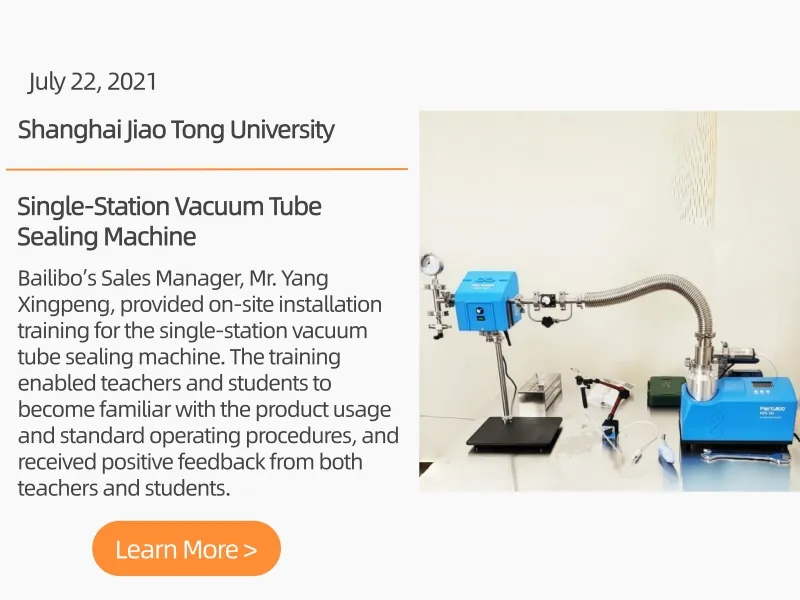
The MatMeas MRVS-1003 Rotary Vacuum Tube Sealer is engineered for high-temperature vacuum solid-state synthesis and airtight sample encapsulation under anhydrous and oxygen-free environments.
Compared with conventional vacuum tube furnace sealing, the system integrates dynamic vacuum sealing technology, enabling simultaneous rotary evacuation and high-temperature HHO flame fusion sealing. This significantly reduces raw material loss, prevents secondary contamination, and ensures ultra-high vacuum integrity for crystal growth and defect engineering.
With adjustable rotary motion, ultra-low leak rate, and high-temperature flame capability, the system provides a reliable solution for advanced material preparation workflows.
Specifications
| Workstation Configuration | Single Station |
| Ultimate Vacuum Limit | Turbomolecular pump unit: up to 10⁻⁵ Pa (working vacuum < 5 × 10⁻⁵ Pa) Mechanical pump unit: ≤ 10 Pa |
| Working Vacuum | Better than 5 × 10⁻⁵ Pa (with Molecular Pump Unit) |
| Pressure Measurement Range | 10⁻⁴ Pa ~ 0.1 MPa |
| System Leakage Rate | ≤ 2 × 10⁻¹² Pa·m³/s (Helium mass spectrometry tested) |
| Dynamic Sealing Rotation Speed | 0 - 35 rpm (Adjustable) |
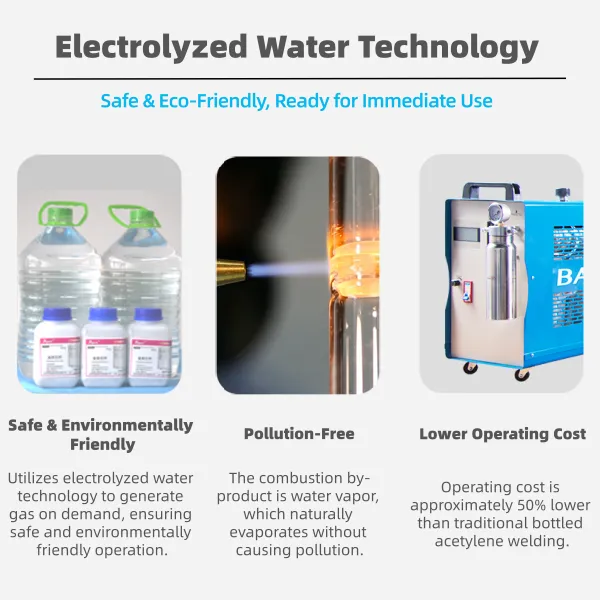
| Maximum Flame Temperature | Up to 2800℃ (via water electrolysis) |
| Gas Production Rate | Standard 700 L/H |
| Compatible Quartz Tube O.D. | Standard: Φ45mm, Φ20mm, Φ15mm, Φ13mm Micro/EPR Adapters: Φ2mm, Φ3mm, Φ4mm, Φ5mm (lengths 150mm & 250mm, wall thickness 0.5–0.8mm) |
| Power Supply | 220 V, 50/60 Hz, 20 W (Main Unit) |
| Equipment Dimensions (L×W×H) | 320 × 240 × 660 mm |
| Warranty | 1 Year |
Applications
- One-dimensional nanomaterials
- Two-dimensional layered materials
- Semiconductor and optoelectronic materials
- Battery electrode and solid-state electrolyte materials
- Thermoelectric materials and devices
- Metallic alloys
- EPR / ESR spectroscopy quartz capillary encapsulation (OD 2–5 mm)
- Organic radicals, solution-phase precursors, and volatile solvent degassing
Video
Detail Images
FAQ
How does the MRVS-1003 protect the vacuum pump when sealing ultra-fine powder samples?
Handling ultra-fine powders under vacuum is a known challenge — particles can easily be drawn into the vacuum line, clogging valves or damaging the pump. The MRVS-1003 addresses this with a dedicated Powder Anti-Reflux Kit (PAR16KIT). This integrated diversion device effectively prevents powder precursors from entering the high-vacuum pipeline, minimizing sample loss and significantly extending the lifespan of both mechanical and molecular pumps.What are the maximum length and diameter of quartz tubes that can be sealed?
The MRVS-1003 offers broad versatility. Via interchangeable high-precision tube joints, the system accommodates quartz tubes with outer diameters of Φ13 mm, Φ15 mm, Φ20 mm, and Φ45 mm. The entire machine body can also be flipped and tilted by 20 degrees, and combined with an adjustable sliding support bracket, researchers can vacuum-seal ultra-long quartz ampoules exceeding 1 meter in length.What vacuum pump configurations are available for different laboratory requirements?
Three configurations are available: the Basic Version (S003) uses a high-durability 2 L/s mechanical pump achieving a working vacuum better than 10 Pa — suitable for standard solid-phase synthesis. The High-Vacuum Version (S006) is equipped with an imported German turbomolecular pump station, achieving an ultimate vacuum of 10⁻⁵ Pa. The Powder-Optimized Version (S008) combines a mechanical pump, molecular pump, and multi-stage powder filtration, engineered for demanding powder material workflows.Can the MRVS-1003 seal materials that are highly sensitive to air or moisture?
Yes. The MRVS-1003 is engineered for the airtight encapsulation of air- and moisture-sensitive samples. By evacuating the quartz tube to high vacuum (down to 10⁻⁵ Pa with the molecular pump unit) prior to flame sealing, the system ensures the sealed ampoule is completely free of residual oxygen and water vapor. It is widely used for thermoelectric materials, two-dimensional materials, and other samples requiring strict inert or oxygen-free environments.How does the MRVS-1003 handle narrow-bore EPR/ESR tubes (2 mm to 5 mm OD) and organic solutions without tube collapse or solvent boil-off?
Sealing narrow-bore EPR/ESR quartz tubes (outer diameters 2 mm, 3 mm, 4 mm, or 5 mm with wall thickness 0.5–0.8 mm) requires precise thermal and pressure management. The MRVS-1003 provides dedicated micro-tube clamping adapters that maintain concentric rotary alignment at 0–35 rpm. For volatile organic solvents and aqueous solutions, researchers utilize either a throttle valve or standard freeze-pump-thaw degassing before sealing. The micro-fine nozzle on the integrated 2800°C HHO flame generator delivers pinpoint heat concentration, melting the quartz wall uniformly in seconds without collapsing the thin capillary channel or triggering solvent boil-off.How should laboratories choose between the Mechanical Pump (10 Pa) and Molecular Pump (10⁻⁴ Pa) configurations?
The choice depends on sample volatility and oxygen sensitivity. The Mechanical Pump configuration (base vacuum 10 Pa) is cost-effective and ideal for standard solid-state powder reactions and organic solution workflows where volatile solvent vapors might otherwise backstream or overwhelm a molecular pump. The Turbomolecular Pump configuration (high vacuum 10⁻⁴ to 10⁻⁵ Pa) is necessary for air-sensitive organic radicals, high-purity battery cathodes, and superconducting precursors where even trace oxygen (ppm/ppb levels) would compromise EPR signal fidelity or cause oxidation.Can the MRVS-1003 perform argon or inert gas backfilling after evacuation?
Yes. The MRVS-1003 is equipped with an inflation and exhaust pressure measuring kit. After reaching the target vacuum level, inert gases such as argon or nitrogen can be backfilled into the tube via the gas inlet at targeted partial pressures. Multiple pump-to-backfill cycles can be programmed to achieve an extremely clean, controlled atmosphere inside the ampoule before the final flame-sealing step.How long does a complete vacuum sealing cycle take?
A typical cycle — including tube loading, evacuation, optional gas backfilling, tube rotation, and flame fusion — takes approximately 10 to 30 minutes depending on the target vacuum level and tube wall thickness. Routine seals using the mechanical pump (down to ~10 Pa) are usually completed within 15 minutes. High-vacuum cycles using the molecular pump require additional pump-down time to reach the 10⁻⁵ Pa range, but provide superior sealing integrity for the most demanding applications.Can the MRVS-1003 be integrated with a glovebox for fully inert-atmosphere sample handling?
Yes. The MRVS-1003 can be configured with a Glovebox Isolation Kit, including an optional KF16 mini direct isolation valve. This allows researchers to load materials inside the glovebox, seal the valve, and transfer the tube to the sealing unit without breaking vacuum or exposing the sample to ambient air — essential for highly reactive materials such as alkali metal compounds, lithium metal anodes, or reactive 2D materials.Is the MRVS-1003 hydrogen-oxygen flame system safe and compliant with laboratory safety regulations in North America and Europe?
Yes. Traditional quartz tube sealing relies on bottled acetylene or liquefied petroleum gas, which poses significant fire and explosion risks and typically requires dedicated safety permits and gas storage infrastructure. The MRVS-1003 eliminates these concerns by using water-electrolysis technology via its integrated HHO generator — producing high-purity hydrogen and oxygen on-demand only when powered on, with zero high-pressure flammable gas stored in the laboratory. The system also features a built-in anti-backfire design, automatic overpressure shutdown, and produces only pure water vapor as a byproduct, making it fully compliant with stringent laboratory safety and environmental policies at North American and European research institutions.Which global research institutions use the MatMeas MRVS series, and is it peer-validated?
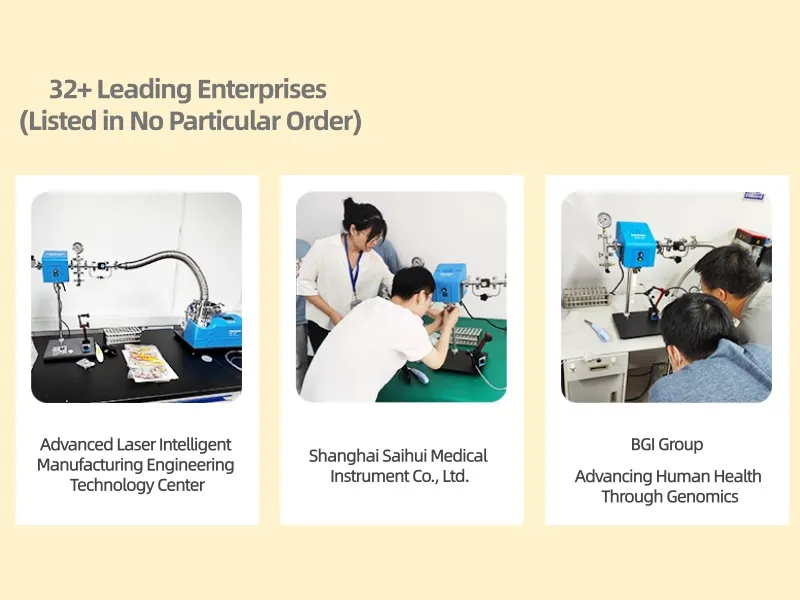
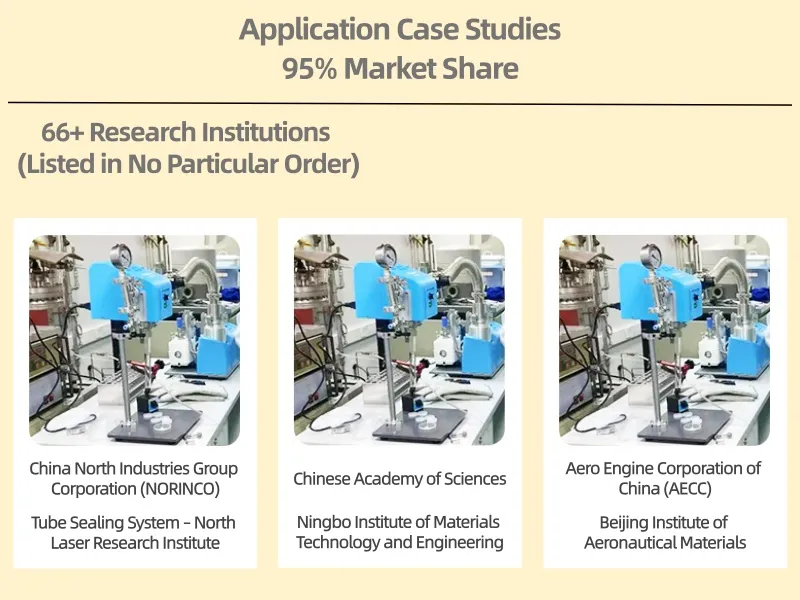
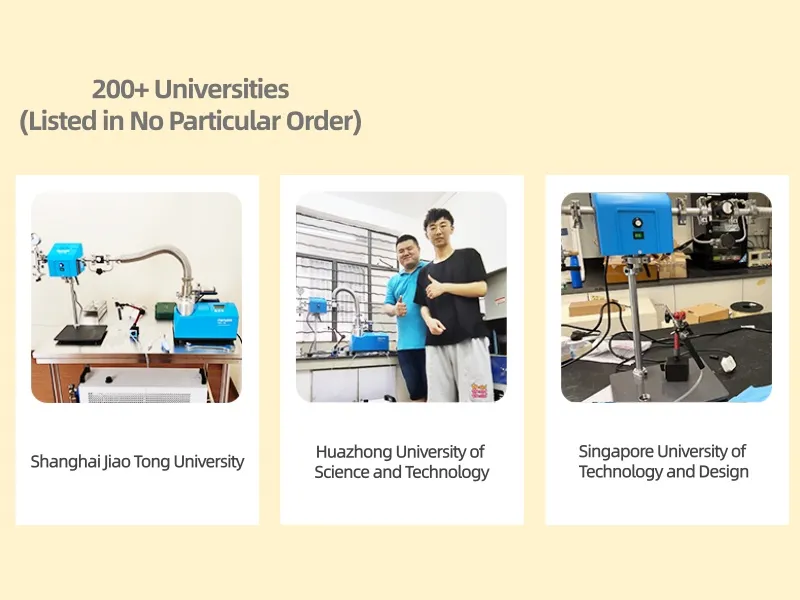
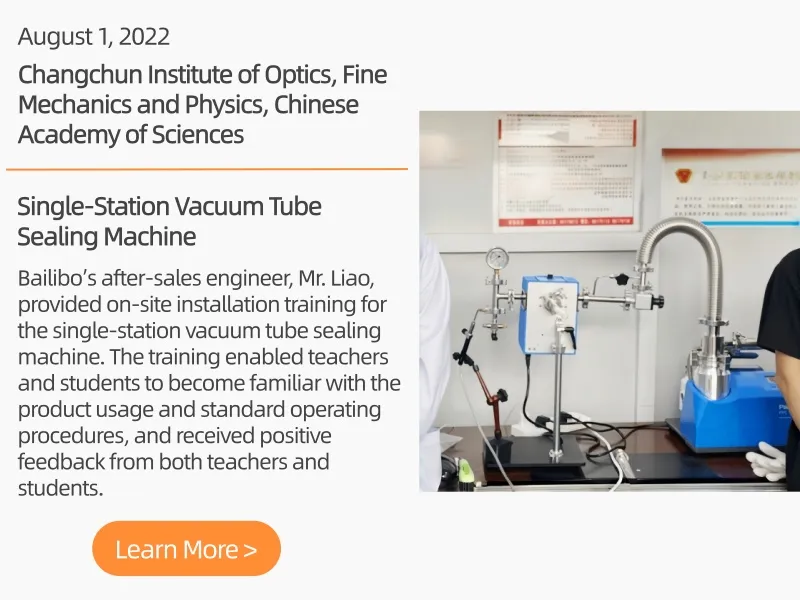
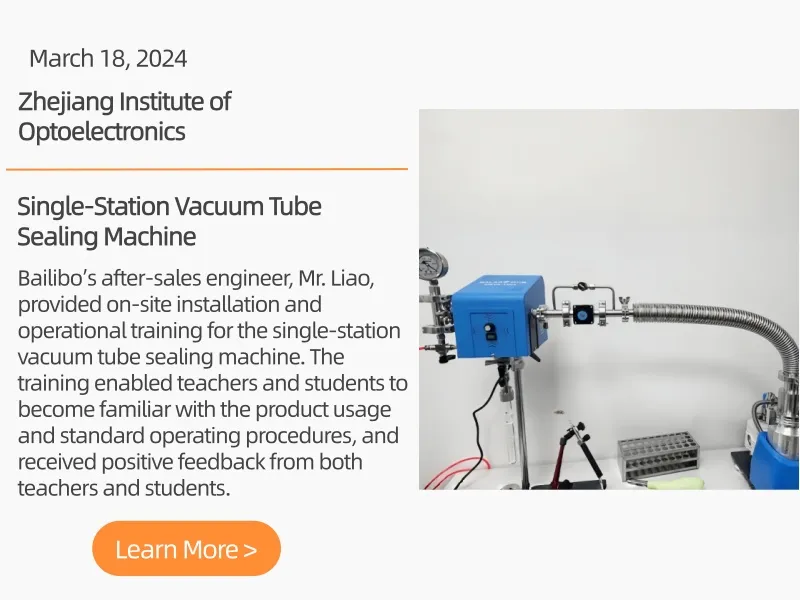
The MatMeas MRVS series — widely cited in peer-reviewed publications under our legacy brands BaLab and Partulab — has achieved over 500 successful installations globally. Leading institutions including New York University Abu Dhabi (NYUAD), Nanyang Technological University (NTU), the Australian National University (ANU), the Singapore Agency for Science, Technology and Research (A*STAR), and the Chinese Academy of Sciences (CAS) have deployed MRVS vacuum sealing systems in advanced materials and chemical spectroscopy research.
Academic Publications
| Journal | Paper Title | Publisher Link | Download |
|---|---|---|---|
| Journal of Materials Chemistry A | Synergetic optimization of electronic and thermal transport for high-performance thermoelectric GeSe–AgSbTe2 alloy | https://doi.org/10.1039/c8ta01393d | Download |
| Advanced Functional Materials | Mosaic-Structured Cobalt Nickel Thiophosphate Nanosheets Incorporated N-doped Carbon for Efficient and Stable Electrocatalytic Water Splitting | https://doi.org/10.1002/adfm.201805075 | Download |
| Energy Storage Materials | Inward growth of superthin TiC skin on carbon nanotube framework as stable cathode support for Li–O2 batteries | https://doi.org/10.1016/j.ensm.2020.04.018 | Download |
| Journal of Materials Science & Technology | Effect of atomic structure on preferential oxidation of alloys: amorphous versus crystalline Cu-Zr | https://doi.org/10.1016/j.jmst.2019.10.001 | Download |
| Corrosion Science | On the competition between synchronous oxidation and preferential oxidation in Cu-Zr-Al metallic glasses | https://doi.org/10.1016/j.corsci.2020.108996 | Download |
| Corrosion Science | Effect of structural order on oxidation kinetics and oxide phase evolution of Al–Zr alloys | https://doi.org/10.1016/j.corsci.2019.108407 | Download |
| Applied Surface Science | Thermal oxidation of amorphous CuxZr1−x alloys: Role of composition-dependent thermodynamic stability | https://doi.org/10.1016/j.apsusc.2019.144376 | Download |
| Nature Communications | Two-dimensional gersiloxenes with tunable bandgap for photocatalytic H₂ evolution and CO₂ photoreduction to CO | https://doi.org/10.1038/s41467-020-15262-4 | Download |
Related Products
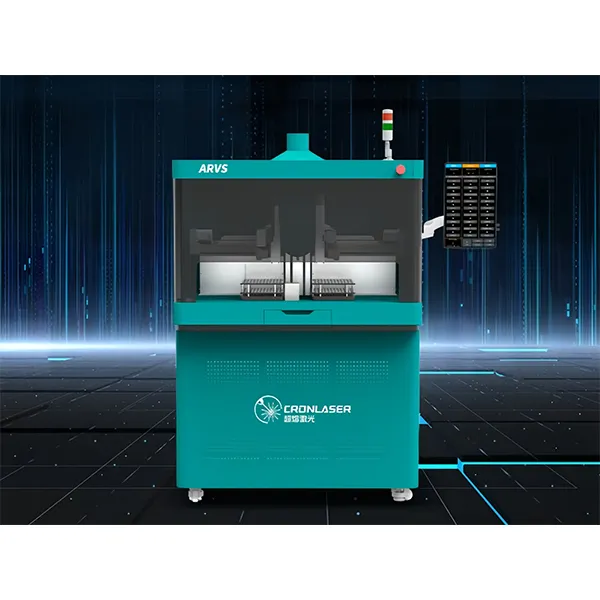
MatMeas ARVS Automated Quartz Ampoule Processing System
The MatMeas ARVS Series is an advanced automated vacuum tube sealing system designed for high-throughput laboratory and pilot-scale production applications. Developed to replace labor-intensive manual sealing processes, the ARVS integrates an automated robotic handling system with high-precision XYZ positioning (±0.05 mm) to automatically load, position, evacuate, backfill and seal up to 100 glass or quartz tubes per batch with excellent process consistency and minimal operator intervention.
View details →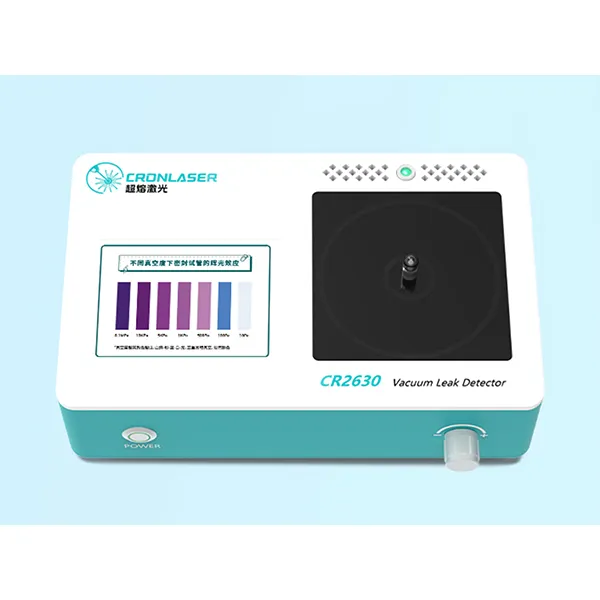
MatMeas CR2630 High Vacuum Leak Detector Portable Glow Discharge Tester for Glass Tube Sealing
MatMeas CR2630 High Frequency Spark Vacuum Leak Detector utilizes the glow discharge principle to quickly assess the vacuum pressure inside sealed glass tubes by observing fluorescence color, referencing a vacuum spectrum standard for instant and convenient leak detection.
View details →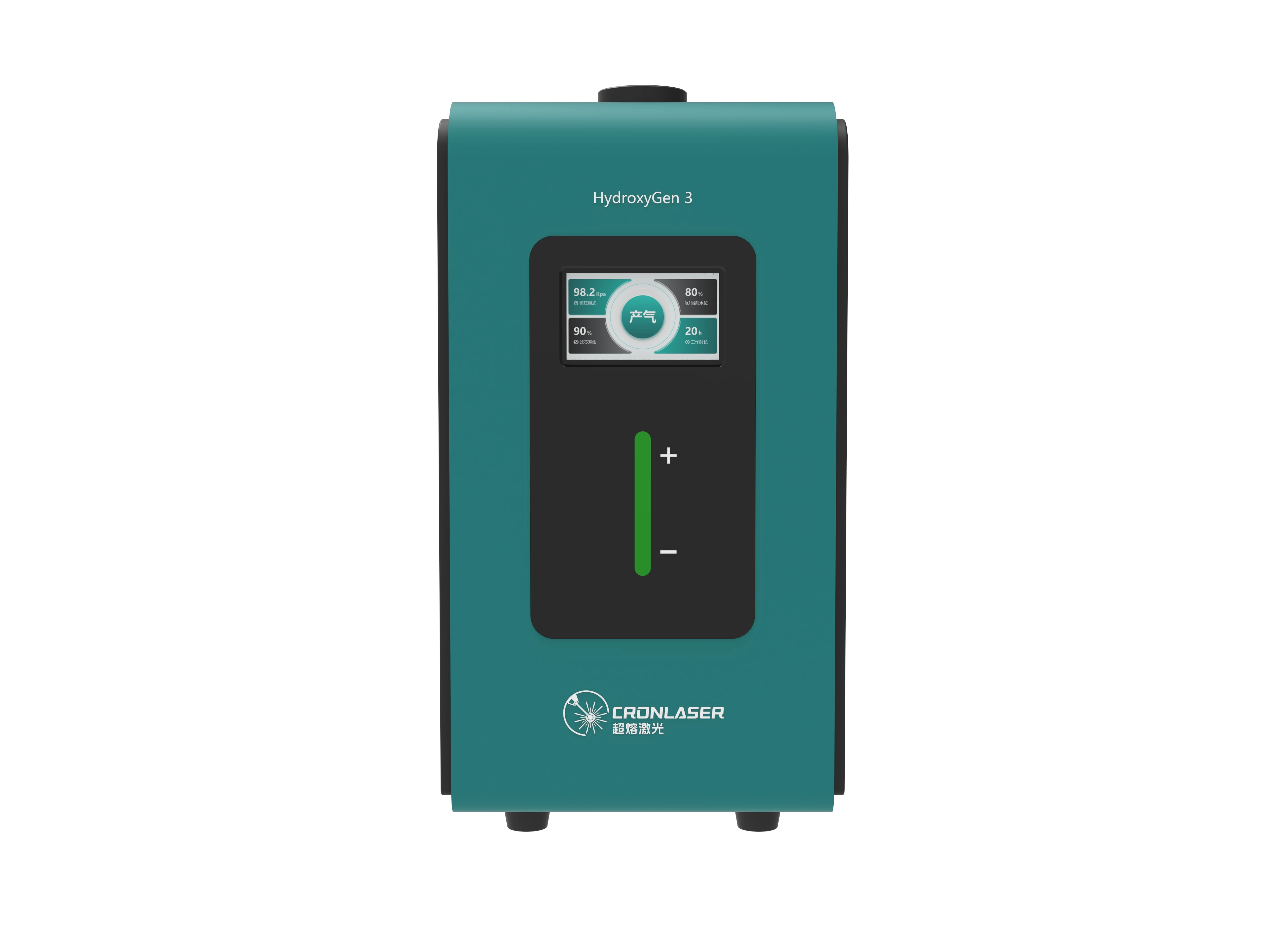
MatMeas HydroxyGen 3 Series Smart Hydrogen-Oxygen Flame Generator
The MatMeas HydroxyGen 3 Series is an industrial-grade, desktop smart hydrogen-oxygen flame generator built on PEM (Proton Exchange Membrane) pure water electrolysis technology. Requiring no hazardous alkaline chemicals whatsoever, it produces a continuous, ultra-pure (≥99.99%) hydrogen-oxygen gas mixture entirely on demand—generating and consuming gas instantaneously with millisecond-level responsiveness. Ignited automatically, the resulting micro-flame reaches temperatures of 2800°C to 3000°C, delivering a perfectly soot-free, contamination-free precision heat source for quartz tube sealing, flame polishing, micro-welding, Verneuil crystal growth, and gas-phase combustion synthesis. Its proprietary triple millisecond safety interlock system, IoT edge intelligence with OTA firmware updates, and ultra-compact footprint (just 15 kg and 1/5 the volume of traditional alkaline systems) make it the definitive clean-heat infrastructure for modern smart laboratories.
View details →