Overview
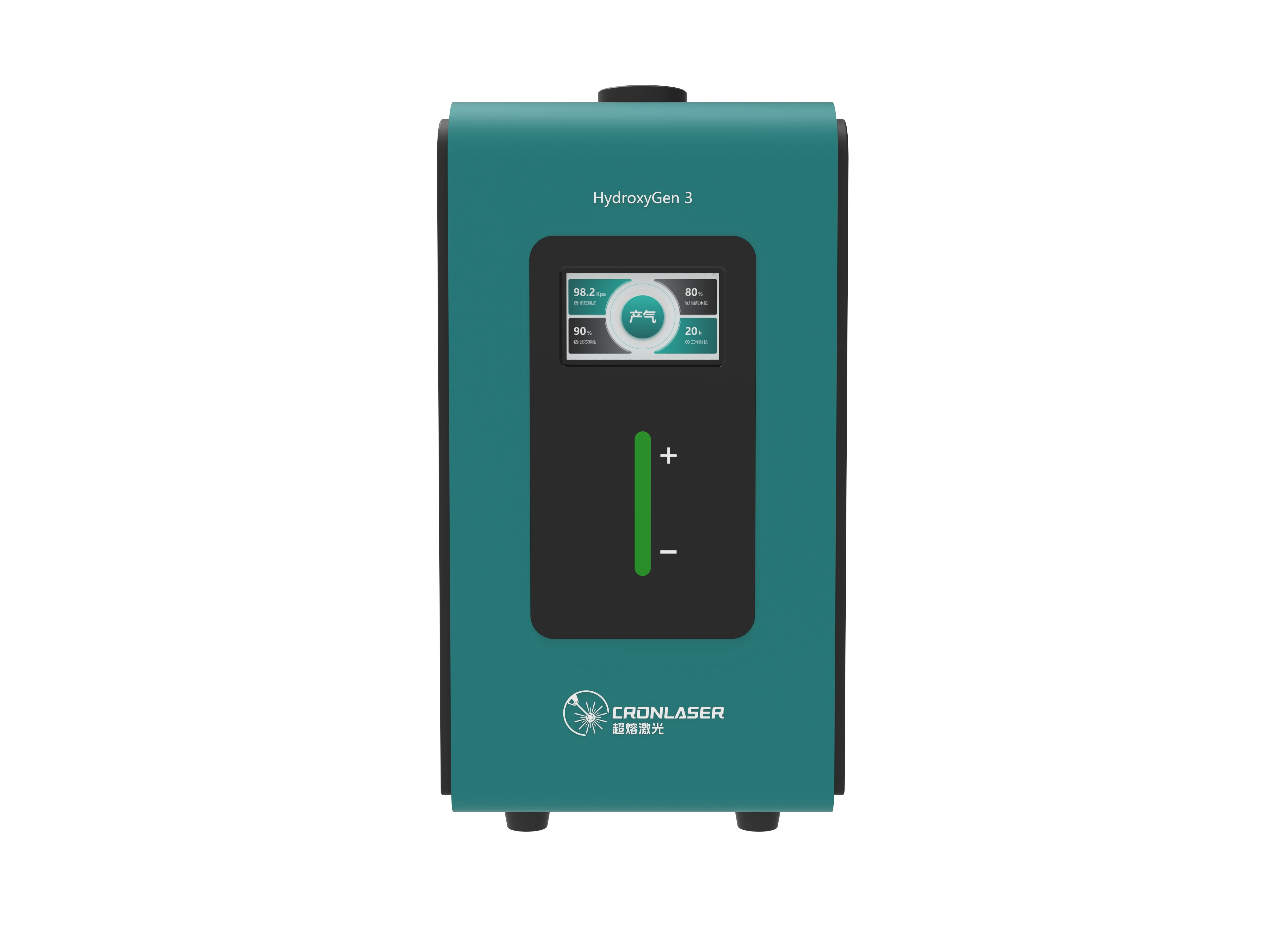
The MatMeas HydroxyGen 3 Series represents a fundamental shift in laboratory micro-flame technology. Where traditional alkaline water electrolyzers require corrosive KOH or NaOH electrolyte solutions—introducing risks of pipeline corrosion, gas concentration drift, and hazardous chemical handling—the HydroxyGen 3 operates exclusively on deionized pure water via a solid polymer PEM electrolysis membrane. The membrane physically separates the hydrogen and oxygen generation pathways at the source, ensuring zero cross-gas contamination and zero alkaline mist carryover into the flame.
On-demand gas generation is a defining safety advantage: the HydroxyGen 3 operates at near-ambient working pressure and stores no high-pressure gas inventory. Upon shutdown, residual pipeline gas is safely burned off within seconds, returning the system to a fully inert state—entirely eliminating the cylinder storage, explosion, and regulatory compliance concerns that accompany conventional acetylene or propane setups. This directly accelerates institutional procurement approval in safety-sensitive environments such as university EHS departments and GMP-certified industrial laboratories.
The flame itself is the product of electrolyzing water at the molecular level into a precisely metered 2:1 H₂/O₂ mixture, which burns completely clean. At 2800°C to 3000°C with a highly concentrated micro-flame geometry, it delivers sufficient energy density for demanding materials processing while restricting the heat-affected zone to a pinpoint area—preventing thermal deformation in adjacent components during quartz tube sealing, jewelry micro-welding, or Verneuil flame fusion processes.
Process intelligence is delivered through the integrated IoT edge controller communicating via Wi-Fi and CAN bus. Real-time operational parameters—flow rate, pressure, electrolysis current, and system health—are streamed to the cloud for logging and predictive maintenance alerting. OTA (Over-the-Air) firmware updates continuously refine the ignition algorithm and safety profiles, meaning the HydroxyGen 3 improves over its operational lifetime without requiring a service visit.
Optimized as the dedicated hydrogen-oxygen heat source for the MatMeas MRVS Series Vacuum Sealing Systems, the HydroxyGen 3 integrates seamlessly into automated quartz ampoule sealing workflows, providing a stable, adjustable (0–3 L/min), and reproducible flame output calibrated to MRVS process recipes.
Specifications
| Electrolysis Technology | PEM (Proton Exchange Membrane) Solid Electrolyte |
| Feedstock Material | Pure / Deionized Water — no chemical additives |
| Gas Production Flow | 0 to 3 L/min (continuously adjustable) |
| Gas Purity | ≥ 99.99% |
| Flame Temperature | 2800°C to 3000°C (concentrated micro-flame) |
| Output Working Pressure | 0 to 1.5 MPa (adjustable) |
| Control Architecture | Dual-mode constant current / constant voltage closed-loop |
| Communication Protocols | Wi-Fi & CAN Bus |
| Safety System | Triple millisecond cut-off (power + gas flow + alarm) |
| Power Rating | 1.0 kW |
| Input Power Supply | AC 100–240 V, 50 / 60 Hz |
| Dimensions (L × W × H) | 256 mm × 400 mm × 400 mm |
| Chassis Weight | 15 kg |
| Warranty Period | 1 Year |
Applications
- Quartz Ampoule & Glass Tube Vacuum Sealing
- Optical Glass & Acrylic Flame Polishing
- Precious Metal Micro-Welding & Casting Repair
- Verneuil Crystal Growth (Ruby, Sapphire, High-Melting Oxides)
- Gas-Phase Combustion Synthesis of Nano-Powders (SiO₂, TiO₂)
- Pharmaceutical Glass Packaging & Hermetic Sealing
FAQ
How does PEM electrolysis eliminate the safety and maintenance risks of traditional alkaline hydrogen generators?
Traditional alkaline electrolyzers use liquid KOH or NaOH solutions as the electrolyte. These chemicals are corrosive, require careful handling and disposal, gradually degrade internal pipelines and seals, and generate alkaline mist that can contaminate the flame and processed specimens. The HydroxyGen 3 replaces the liquid electrolyte entirely with a solid PEM membrane. Pure water flows through on each side of the membrane, and protons pass through the membrane to combine with electrons at the cathode—producing hydrogen and oxygen in separate, physically isolated chambers. With no liquid chemicals present, there is zero corrosion risk, zero mist carryover, and no consumable chemical replacement cycle, resulting in a true maintenance-free operating lifetime.Why is on-demand gas generation safer than using acetylene or hydrogen gas cylinders?
High-pressure compressed gas cylinders—whether acetylene, hydrogen, or propane—store large volumes of flammable gas at pressures up to 200 bar. A valve failure, regulator malfunction, or physical damage can release this inventory catastrophically. Many university EHS and industrial safety departments impose strict storage quotas, usage permits, or outright bans on compressed flammable gas cylinders in multi-user laboratory settings. The HydroxyGen 3 operates on an instant-generation, instant-consumption protocol: gas is produced at the rate it is consumed, stored only within the short connecting hose at near-ambient pressure. Upon shutdown, any residual gas burns off in seconds. This zero-inventory approach bypasses most institutional flammable gas storage regulations, dramatically simplifying procurement and safety compliance.What is the triple millisecond safety interlock, and what events trigger it?
The triple millisecond safety interlock is a proprietary multi-layer shutdown system that activates simultaneously on three independent channels within milliseconds of a safety event: (1) electrical power to the electrolysis cell is cut, halting gas production immediately; (2) the gas supply solenoid valve closes, sealing the pipeline; and (3) an audible and visual alarm alerts the operator. Trigger events include flame-out detection (the burner flame extinguishes unexpectedly), flashback detection (a backfire event where combustion propagates back into the hose), overpressure in the pipeline, and abnormal electrolysis current. The combined effect is that no unburned hydrogen-oxygen mixture can accumulate, and no ignition source can reach the electrolysis cell.How does the HydroxyGen 3 integrate with the MatMeas MRVS Series vacuum sealing systems?
The HydroxyGen 3 is purpose-engineered as the dedicated clean heat source for the MatMeas MRVS Series Vacuum Rotary Quartz Tube Sealing Systems. The MRVS process requires a stable, controllable, and contamination-free flame to fuse quartz ampoule tips under vacuum without introducing carbon deposits or particulate contamination that would compromise the specimen inside. The HydroxyGen 3's continuously adjustable flow rate (0–3 L/min) allows the flame intensity to be matched precisely to different quartz tube diameters, wall thicknesses, and sealing speeds programmed into the MRVS motion controller, providing a fully integrated and reproducible sealing workflow.What OTA firmware updates deliver, and how does cloud monitoring work in practice?
The HydroxyGen 3 connects to your laboratory network via standard Wi-Fi. Once connected, it continuously streams real-time operational telemetry—electrolysis cell current, output pressure, flow rate, internal temperature, and system health status—to the MatMeas IoT cloud platform, where data is logged with timestamps for process traceability. Predictive warning algorithms analyze trends in cell voltage and current efficiency to alert operators before consumable items (DriTrap filter, ion-exchange resin) require replacement. OTA updates are pushed automatically when new firmware is validated, delivering improvements to ignition timing, closed-loop flow control algorithms, and safety threshold calibrations without requiring any physical service intervention.
Related Products
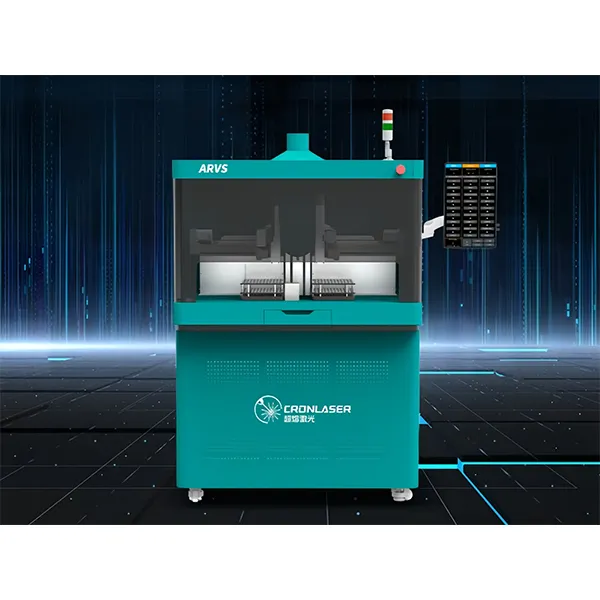
MatMeas ARVS Automated Quartz Ampoule Processing System
The MatMeas ARVS Series is an advanced automated vacuum tube sealing system designed for high-throughput laboratory and pilot-scale production applications. Developed to replace labor-intensive manual sealing processes, the ARVS integrates an automated robotic handling system with high-precision XYZ positioning (±0.05 mm) to automatically load, position, evacuate, backfill and seal up to 100 glass or quartz tubes per batch with excellent process consistency and minimal operator intervention.
View details →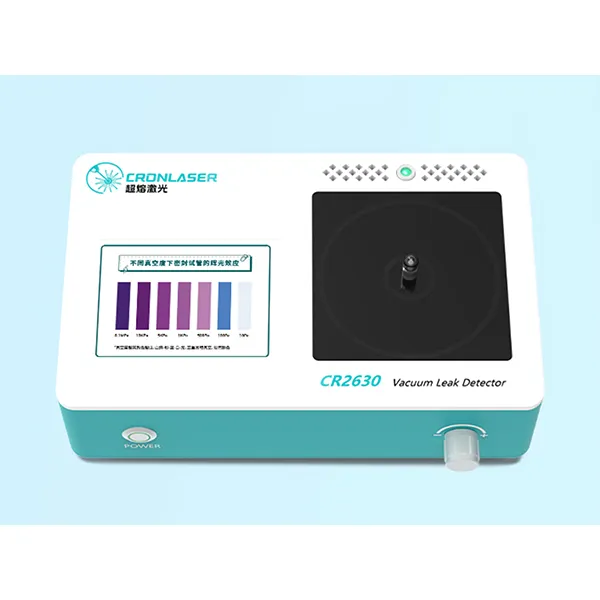
MatMeas CR2630 High Vacuum Leak Detector Portable Glow Discharge Tester for Glass Tube Sealing
MatMeas CR2630 High Frequency Spark Vacuum Leak Detector utilizes the glow discharge principle to quickly assess the vacuum pressure inside sealed glass tubes by observing fluorescence color, referencing a vacuum spectrum standard for instant and convenient leak detection.
View details →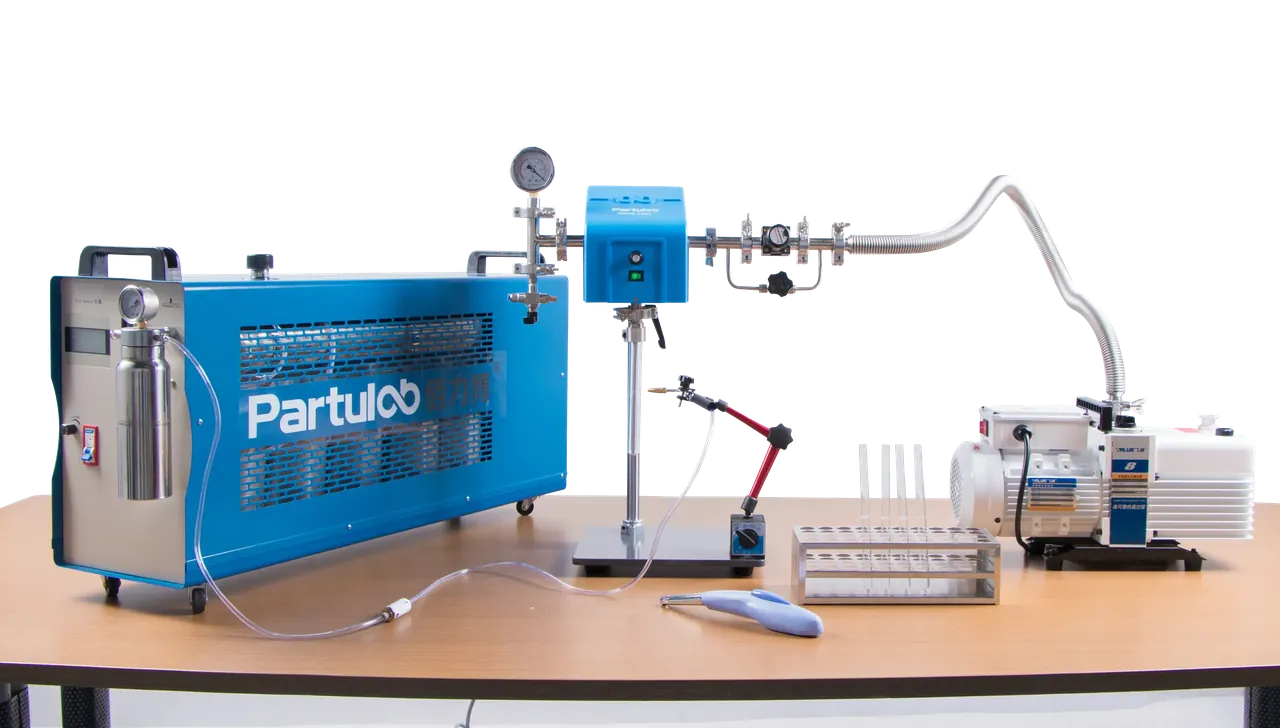
MRVS-1003 Vacuum Rotary Quartz Tube Sealing System
The MatMeas MRVS-1003 is an advanced single-station vacuum sealing machine engineered for the rigorous requirements of high-temperature solid-phase synthesis and oxygen-free/moisture-free sample preservation. Utilizing proprietary magnetic fluid dynamic sealing technology, it allows the quartz tube to rotate automatically at an adjustable speed of 0 to 35 rpm during the vacuuming process. Powered by an eco-friendly water electrolysis system generating a precise 2800℃ hydrogen-oxygen flame (700 L/H), and supporting an ultimate vacuum of up to 10⁻⁵ Pa via German-imported molecular pumps, it ensures perfectly uniform and reliable sealing for thermoelectric materials, 2D materials, and delicate powder samples.
View details →