[Top-Tier Research] NTU Singapore Achieves Green Energy Breakthrough, Powered by MatMeas MRVS Vacuum Sealing System
Technical News
![[Top-Tier Research] NTU Singapore Achieves Green Energy Breakthrough, Powered by MatMeas MRVS Vacuum Sealing System](/_next/image?url=https%3A%2F%2Fmatmeas-media.us-lax-4.linodeobjects.com%2Fnews%2Fntu-conips3-water-splitting-breakthrough%2Ffeatured.webp&w=3840&q=75)
Recently, a groundbreaking research paper in the field of renewable energy and electrocatalysis was published in the prestigious journal Advanced Functional Materials. The research team from the School of Materials Science and Engineering at Nanyang Technological University (NTU, Singapore) successfully developed a highly efficient and stable electrocatalyst for overall water splitting.
📖 Literature Reference:
Title: Mosaic-Structured Cobalt Nickel Thiophosphate Nanosheets Incorporated N-doped Carbon for Efficient and Stable Electrocatalytic Water Splitting
Journal: Advanced Functional Materials
Research Team: Prof. Qingyu Yan's Group, School of Materials Science and Engineering, Nanyang Technological University
DOI Link: 10.1002/adfm.201805075
Developing cost-effective and highly active electrocatalysts is crucial for the future of hydrogen energy. The NTU research team designed a novel mosaic-structured CoNiPS3/C nanosheet, which exhibited exceptional bifunctional performance for both hydrogen evolution reactions (HER) and oxygen evolution reactions (OER).
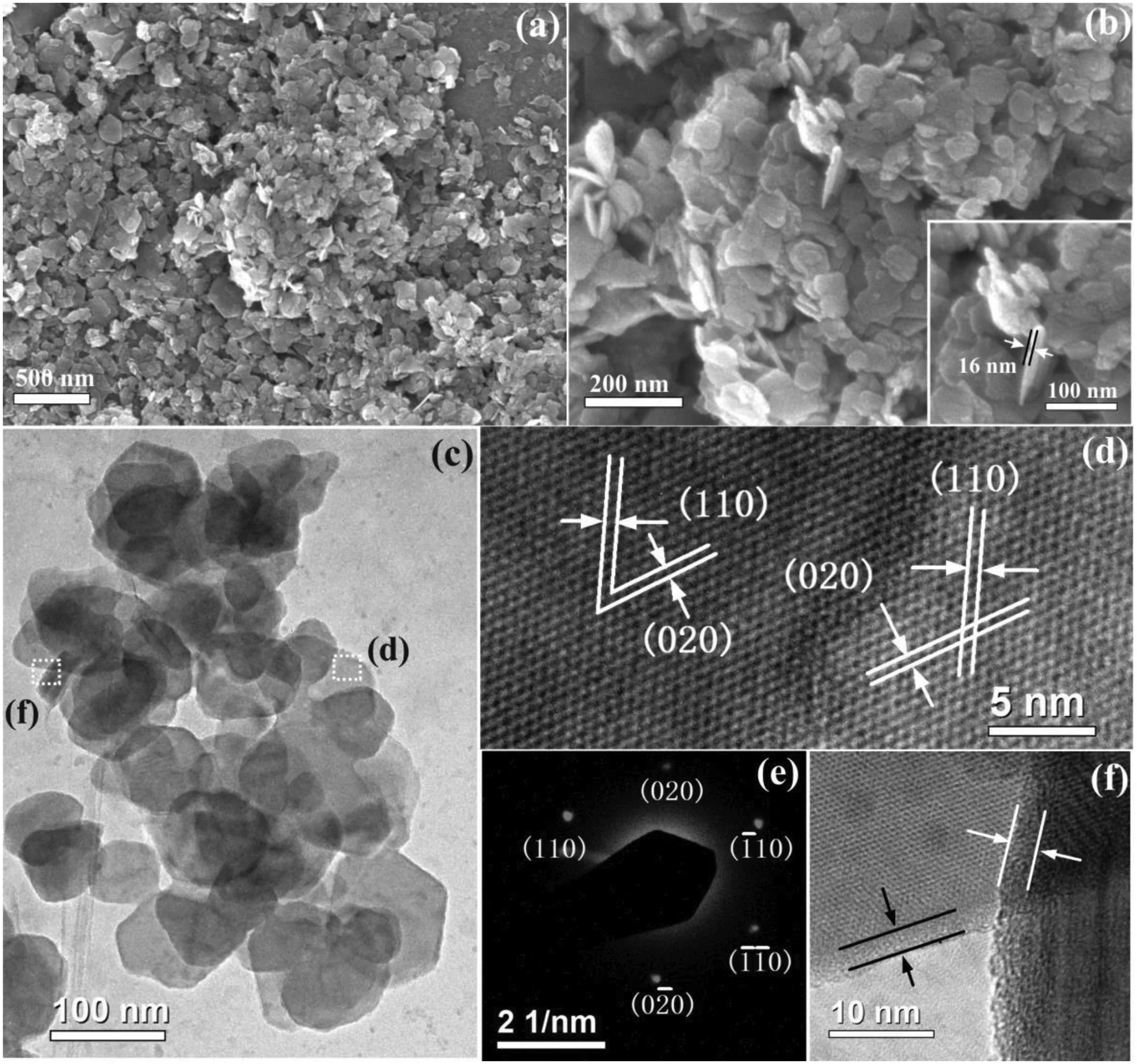
🔬 The Challenge: Precision in Extreme Thermal Environments
The synthesis of these advanced 2D layered metal thiophosphates (MTPs) is highly sensitive. The process required a one-step simultaneous phosphorization and sulfurization of Co–Ni Prussian-blue analogues (PBA) precursors. To achieve this chemical conversion without contamination or oxidation, the precursors had to be thermally treated in an absolutely isolated and highly controlled vacuum environment.
🌟 The Solution: MatMeas MRVS-1002 Vacuum Sealing System
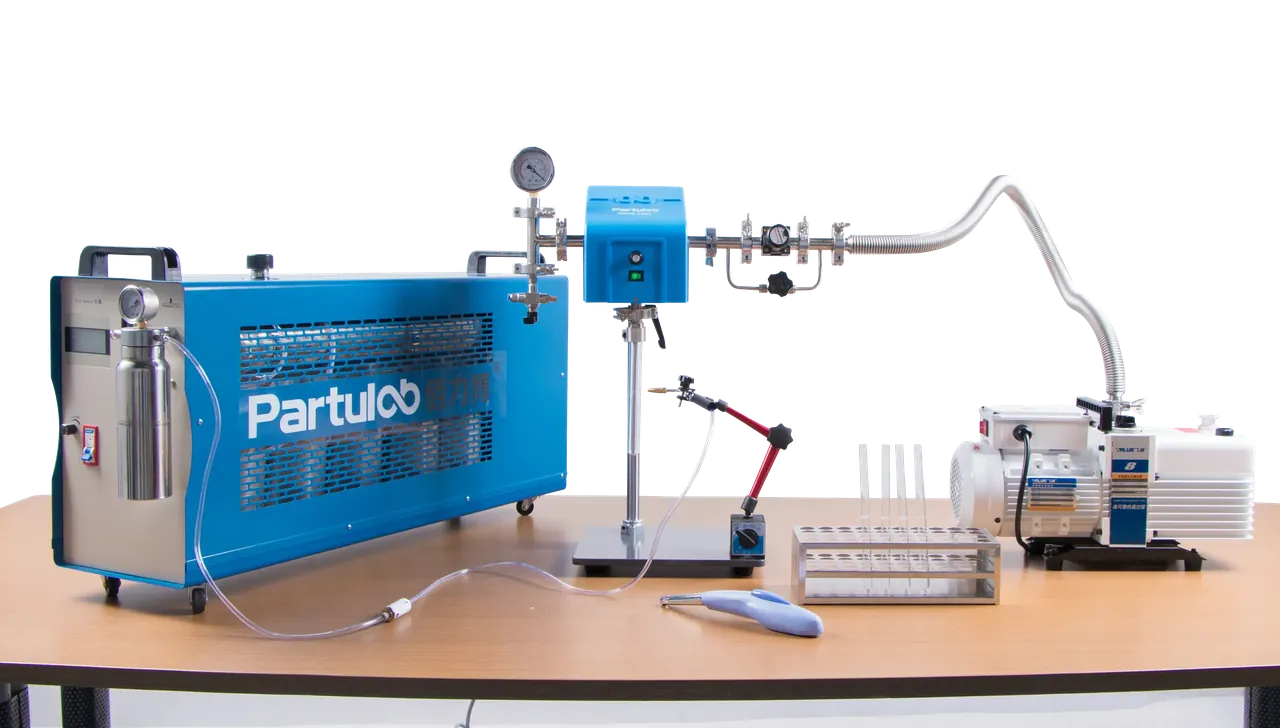
To ensure a flawless experimental environment, the NTU researchers relied on the MatMeas MRVS-1002 Vacuum Sealing System (formerly BaLab / Partulab).
As explicitly stated in the research methodology:
"The resultant Co–Ni PBA nanosheets were well placed separately with phosphor and sulfur inside an evacuated quartz tube sealed with the Partulab MRVS-1002 system."
This trusted equipment ensured that the quartz tubes were perfectly evacuated and hermetically sealed, allowing the high-temperature thermal conversion process to occur flawlessly. The reliable vacuum environment created by the MRVS system was foundational to synthesizing the pure, single-phased CoNiPS3 material with retained crystallinity.
📈 Theoretical Design and Microscopic Validation
The research team conducted extensive Density Functional Theory (DFT) calculations to confirm that bimetallic CoNiPS3 possesses improved intrinsic electronic structure, better conductivity, and lower energy barriers for water splitting compared to its single-metal counterparts.
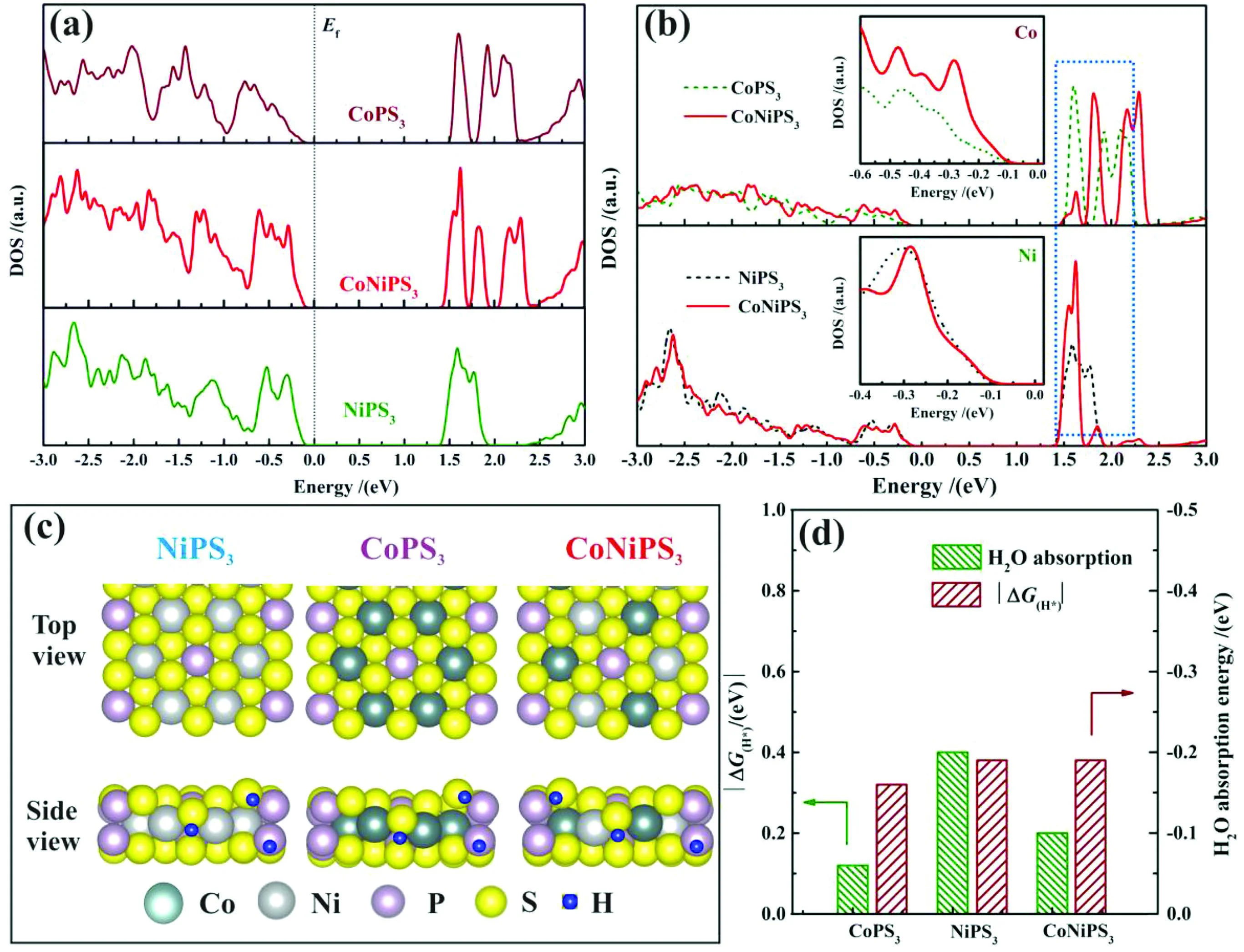
Figure 1 shows the calculated Total Density of States (TDOS) and atomic models for hydrogen atoms absorbed on the edge of the materials, validating the theoretical superiority of CoNiPS3.
Through High-Resolution Transmission Electron Microscopy (HRTEM), the team observed the unique "mosaic" structure of the nanosheets. These structures feature numerous randomly distributed crystalline nanodomains connected by disordered boundaries, providing abundant active edge sites that are highly beneficial for fast HER/OER kinetics.
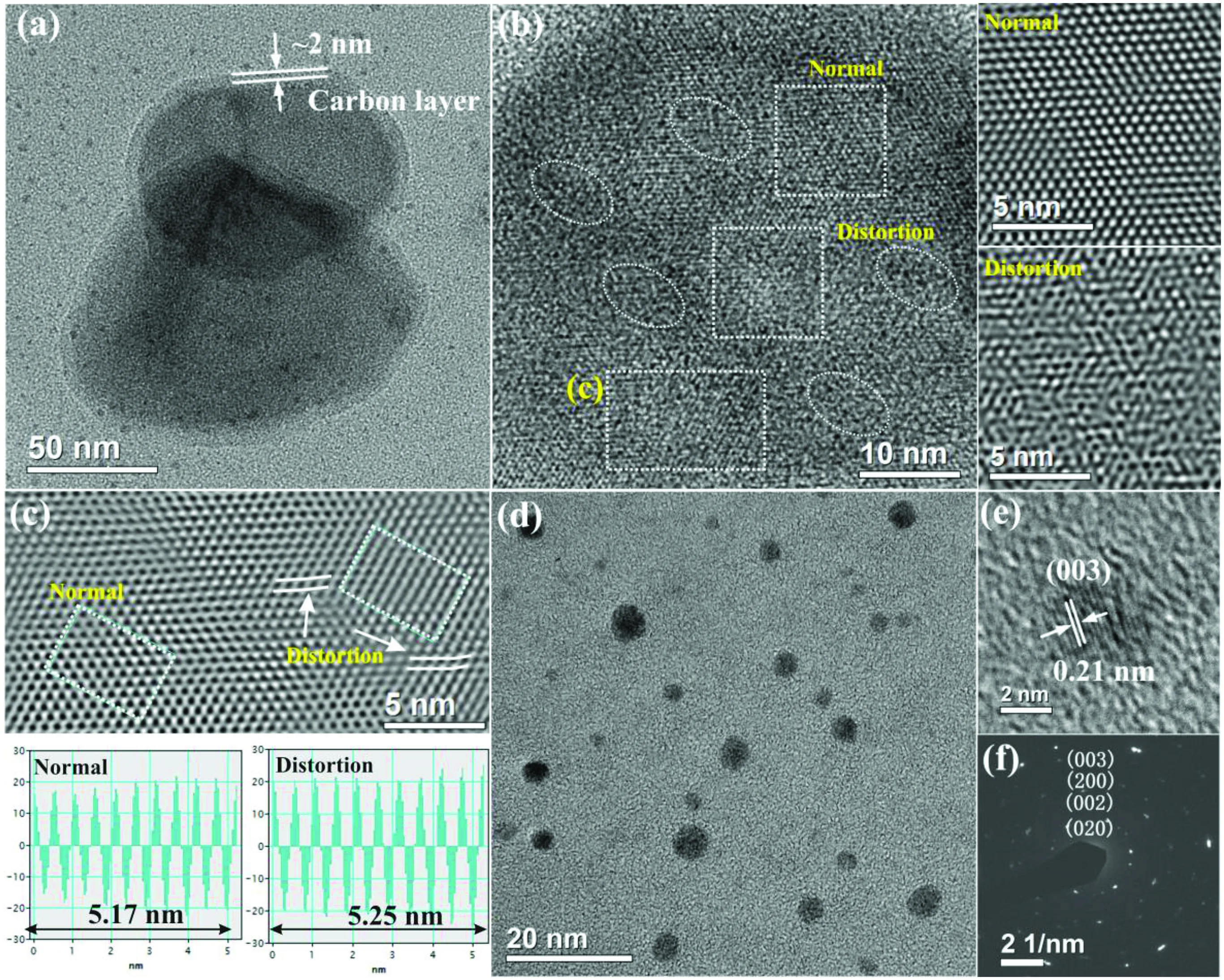
Figure 5 highlights the subtle lattice distortion and disordered boundaries within the mosaic CoNiPS3/C nanosheets.
⚡ Exceptional Electrocatalytic Performance
When deployed as an electrocatalyst for overall water splitting, the synthesized mosaic CoNiPS3/C nanosheets delivered outstanding results. Using a two-electrode setup, the system afforded a stable current density of 30 mA cm⁻² at an impressively low voltage of 1.62 V.
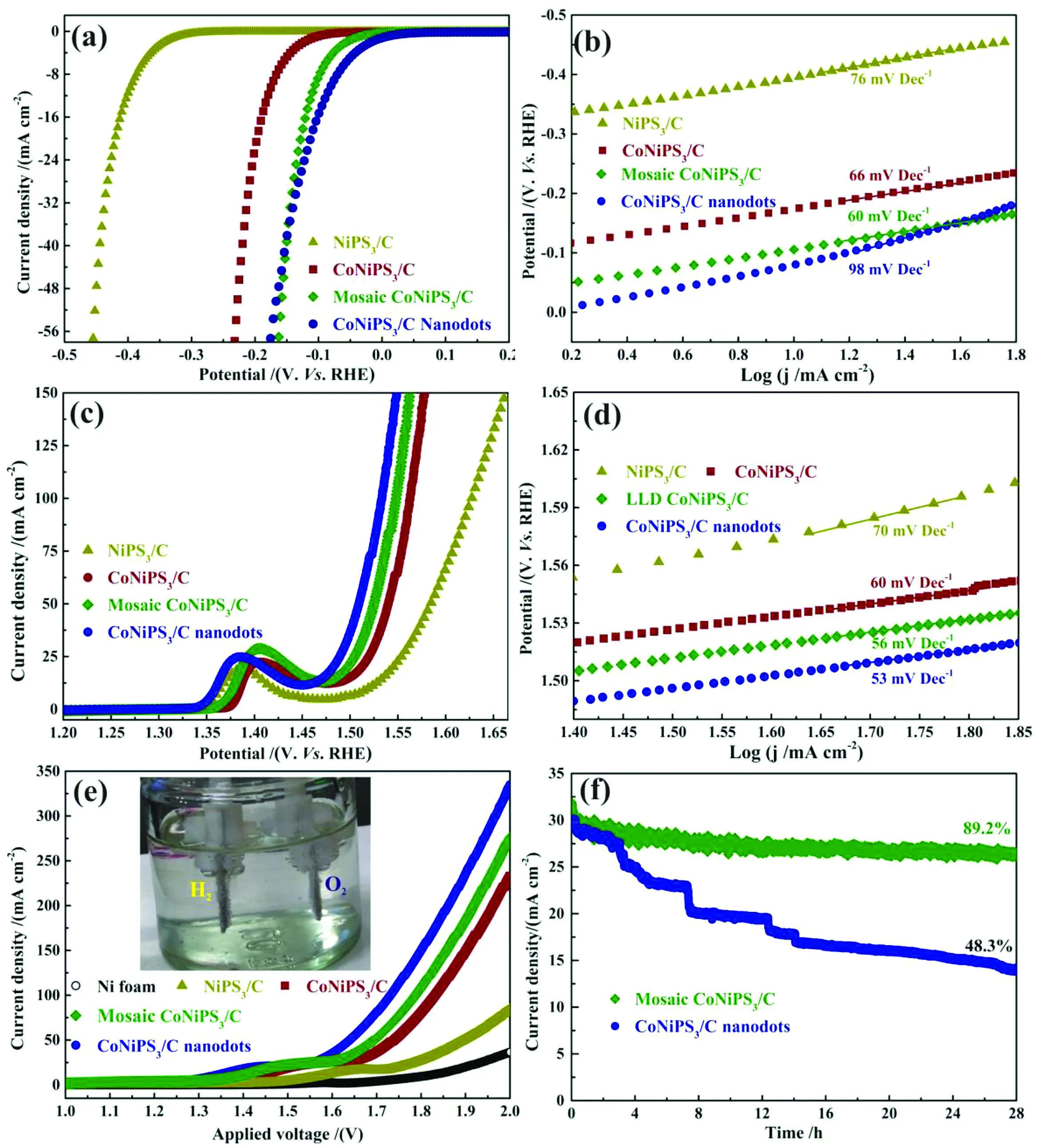
Figure 6 demonstrates the exceptional HER/OER polarization curves and long-term durability of the mosaic nanosheets in alkaline electrolytes.
Empowering Global Laboratories
Top-tier research demands top-tier laboratory infrastructure. The successful application of the MRVS-1002 system by one of the world's leading universities is a powerful testament to its precision, stability, and reliability in handling complex material synthesis.
Explore our latest generation MatMeas MRVS-1003 High-Vacuum Rotary Sealing System. It offers adjustable rotary motion, an ultra-low leak rate, and high-temperature flame capabilities, eliminating the guesswork from your tube-sealing processes. Visit our official website or contact our expert technical team for a customized quotation today!
📥 Literature PDF Download:
Request High-Precision Testing Solutions
Get expert guidance and customized instruments for your functional materials project.