[Breakthrough] DICP Achieves Thermoelectric Material Breakthrough Using MatMeas MRVS Vacuum Sealing System
Technical News
![[Breakthrough] DICP Achieves Thermoelectric Material Breakthrough Using MatMeas MRVS Vacuum Sealing System](/_next/image?url=https%3A%2F%2Fmatmeas-media.us-lax-4.linodeobjects.com%2Fnews%2Fdicp-thermoelectric-alloy-vacuum-sealer-breakthrough%2Ffeatured.webp&w=3840&q=75)
Recently, a groundbreaking research paper was published in the prestigious Journal of Materials Chemistry A by a research team from the Dalian Institute of Chemical Physics, Chinese Academy of Sciences (DICP, CAS). The team successfully developed a novel, high-performance thermoelectric GeSe–AgSbTe2 alloy, marking a significant step forward in renewable energy technology.
📖 Literature Reference:
Title: Synergetic optimization of electronic and thermal transport for high-performance thermoelectric GeSe–AgSbTe2 alloy
Journal: Journal of Materials Chemistry A
Research Team: Prof. Peng Jiang & Prof. Xinhe Bao's Group, Dalian Institute of Chemical Physics, Chinese Academy of Sciences
DOI Link: 10.1039/c8ta01393d
Thermoelectric devices are critical for the future of green energy, as they enable the direct conversion of waste heat into electricity. Through meticulous band engineering and alloying, the DICP research team achieved a peak figure of merit (ZT) of ~1.0 at 754 K and improved the average ZT by more than 56% compared to previous baselines.
🔬 The Challenge: Flawless Synthesis at Extreme Temperatures
Synthesizing these advanced thermoelectric alloys requires absolute precision. The research team utilized a complex ballmilling-melting-SPS (Spark Plasma Sintering) method. During the melting phase, highly pure elemental powders (Ge, Ag, Sb, Te, and Se) needed to be thermally treated at extreme temperatures up to 1073 K to successfully form the required rhombohedral crystal phase.
Any presence of oxygen or moisture during this extreme high-temperature thermal conversion process would lead to contamination, oxidation, and ultimately, the failure of the experiment.
🌟 The Solution: MatMeas MRVS-1002 Vacuum Sealing System
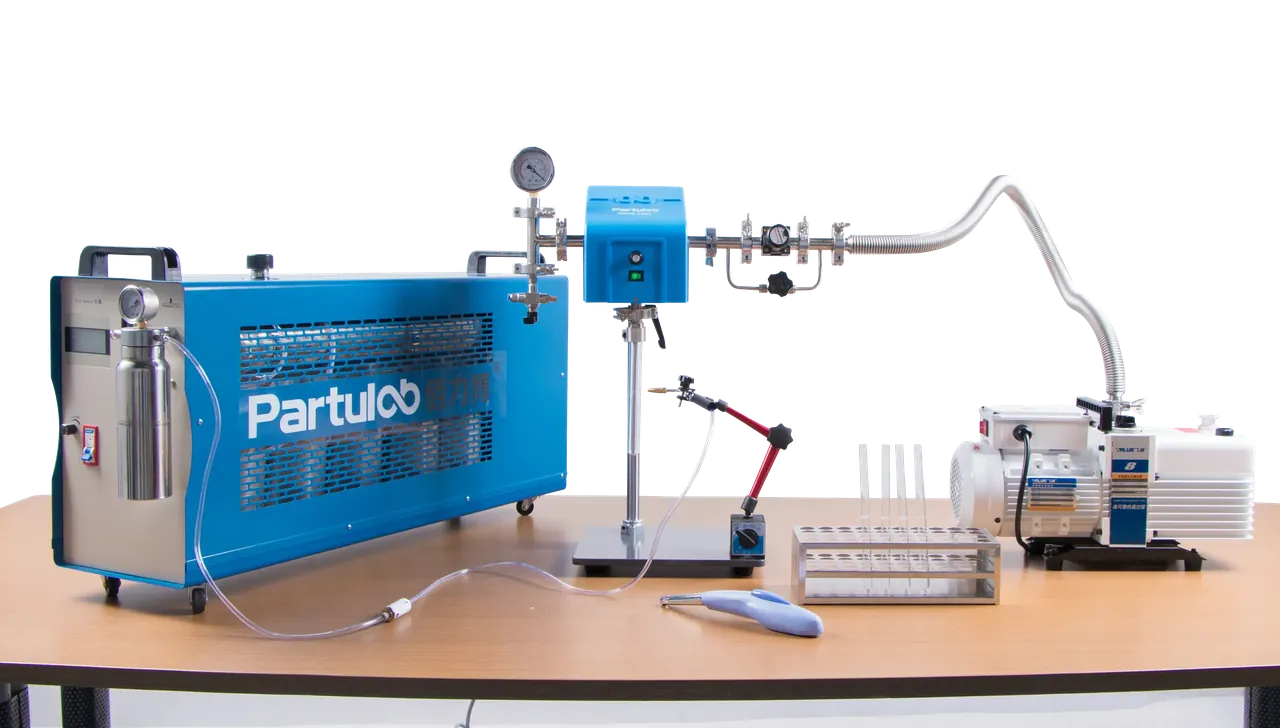
To guarantee an absolutely isolated and oxygen-free environment for this high-temperature solid-state reaction, the DICP researchers relied on the MatMeas MRVS-1002 Vacuum Sealing System (formerly BaLab / Partulab).
As explicitly detailed in the paper's Experimental Section:
"The milled powders were sealed into a vacuum quartz tube by a Partulab device (MRVS-1002) and heated to 773 K at a heating rate of 3 K min⁻¹ and held for 30 min. Then the materials were heated to 1073 K..."
By utilizing the MRVS-1002 system, the researchers easily achieved a hermetic, high-vacuum seal for their quartz tubes. This reliable encapsulation ensured that the elemental powders were perfectly protected during the extreme thermal conversion process, laying the foundational groundwork for their record-breaking thermoelectric performance.
📈 Structural Phase Transition and Electronic Transport
The research team performed in-situ X-ray diffraction (XRD) and High-Resolution Transmission Electron Microscopy (HRTEM) to confirm the structural phase transitions.
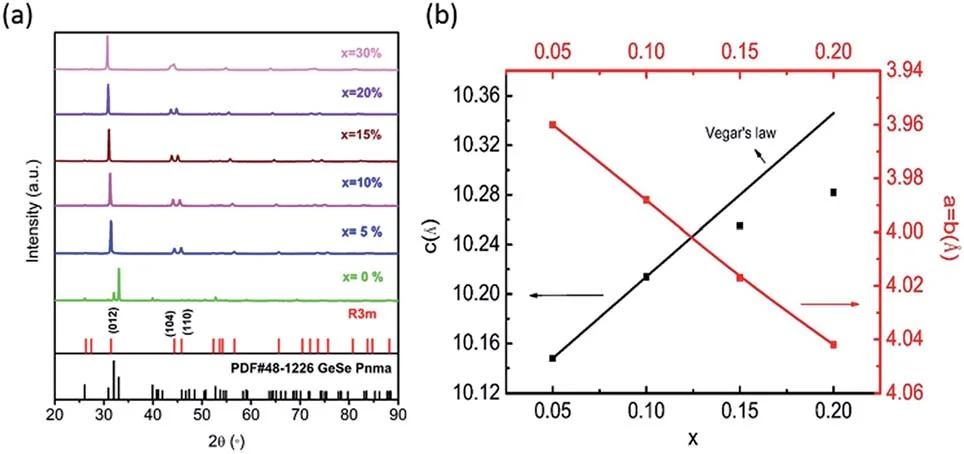
Figure 1 shows the room temperature powder XRD patterns indicating a phase transition from the orthorhombic structure to the rhombohedral structure.
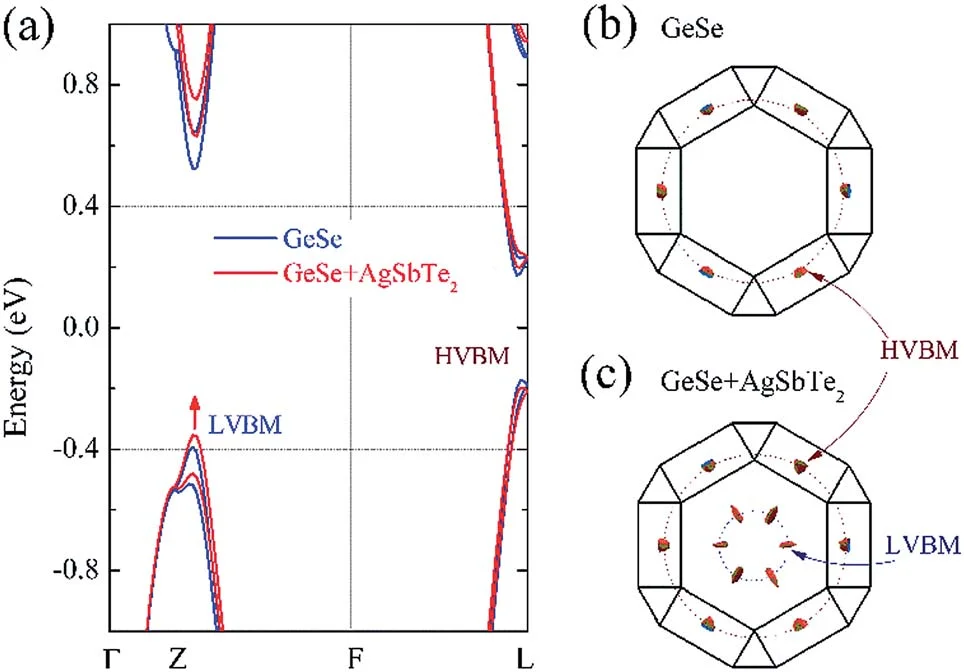
The electronic transport properties were significantly improved due to the band convergence induced by alloying.
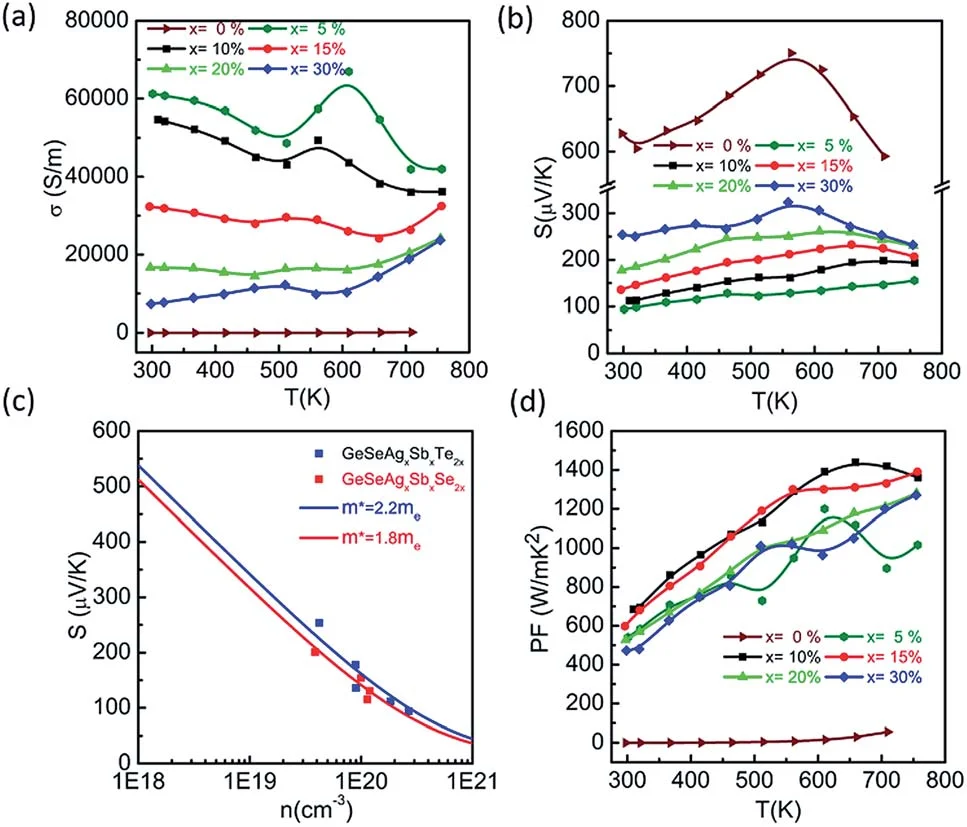
Figure 3 illustrates the temperature-dependent electrical conductivities and Seebeck coefficients, confirming the high power factors of the synthesized alloys.
🔥 Synergetic Thermal Conductivity Suppression
A key to high thermoelectric performance is a low thermal conductivity. The alloying effect greatly suppressed the lattice thermal conductivity due to point defects and heavier atomic masses.
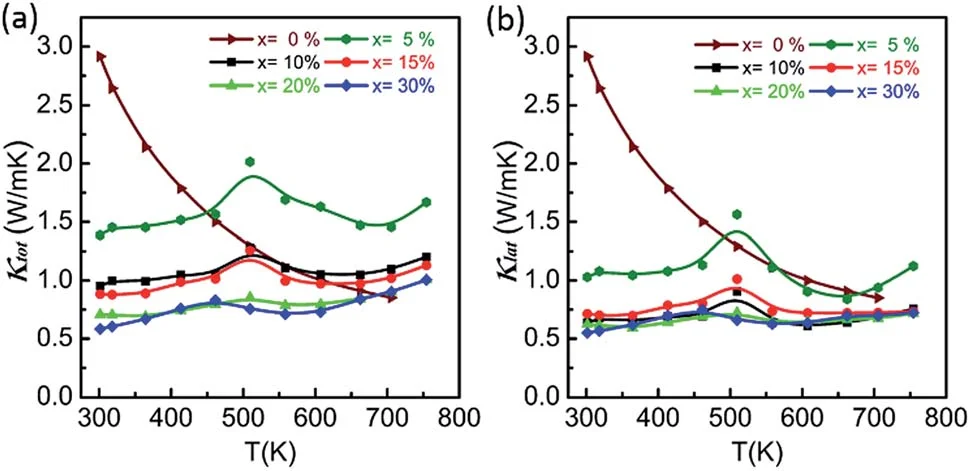
Figure 4 demonstrates the significantly reduced total and lattice thermal conductivities across all temperature ranges.
Ultimately, this led to a remarkably improved ZT value of 0.96 for the optimal GeSeAg0.2Sb0.2Te0.4 sample, 21 times larger than that of the pristine GeSe.
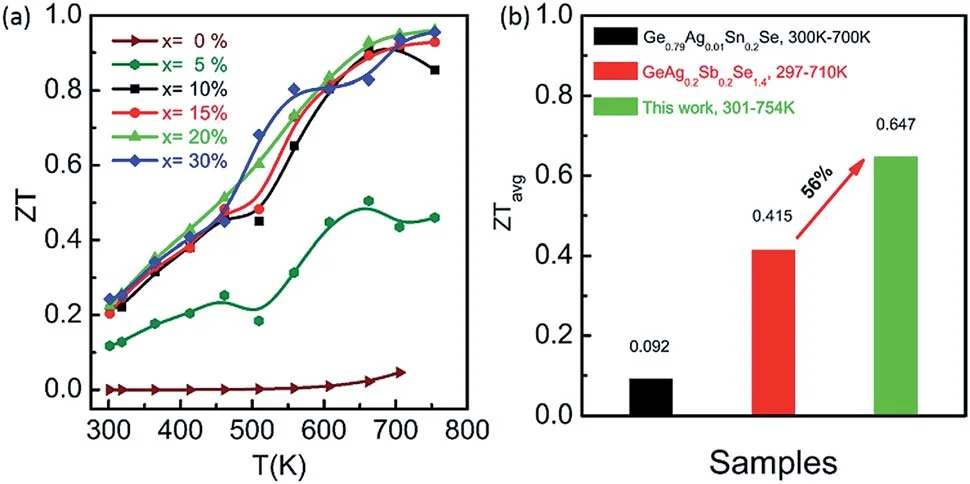
Figure 5 showcases the temperature-dependent ZT and the average ZT, proving the exceptional thermoelectric performance.
Empowering Global Laboratories
Top-tier research demands top-tier laboratory infrastructure. The successful application of the MRVS-1002 system by the elite researchers at the Chinese Academy of Sciences is a powerful testament to its superior vacuum stability, ease of use, and reliability in handling complex material synthesis.
Explore our latest generation MatMeas MRVS-1003 High-Vacuum Rotary Sealing System. It offers adjustable rotary motion, an ultra-low leak rate, and high-temperature flame capabilities, eliminating the guesswork from your tube-sealing processes. Visit our official website or contact our expert technical team for a customized quotation today!
📥 Literature PDF Download:
Request High-Precision Testing Solutions
Get expert guidance and customized instruments for your functional materials project.