MatMeas Testing Center: Technical Principles and Application Value of Open Circuit Voltage Cyclic Force Testing
Technical News
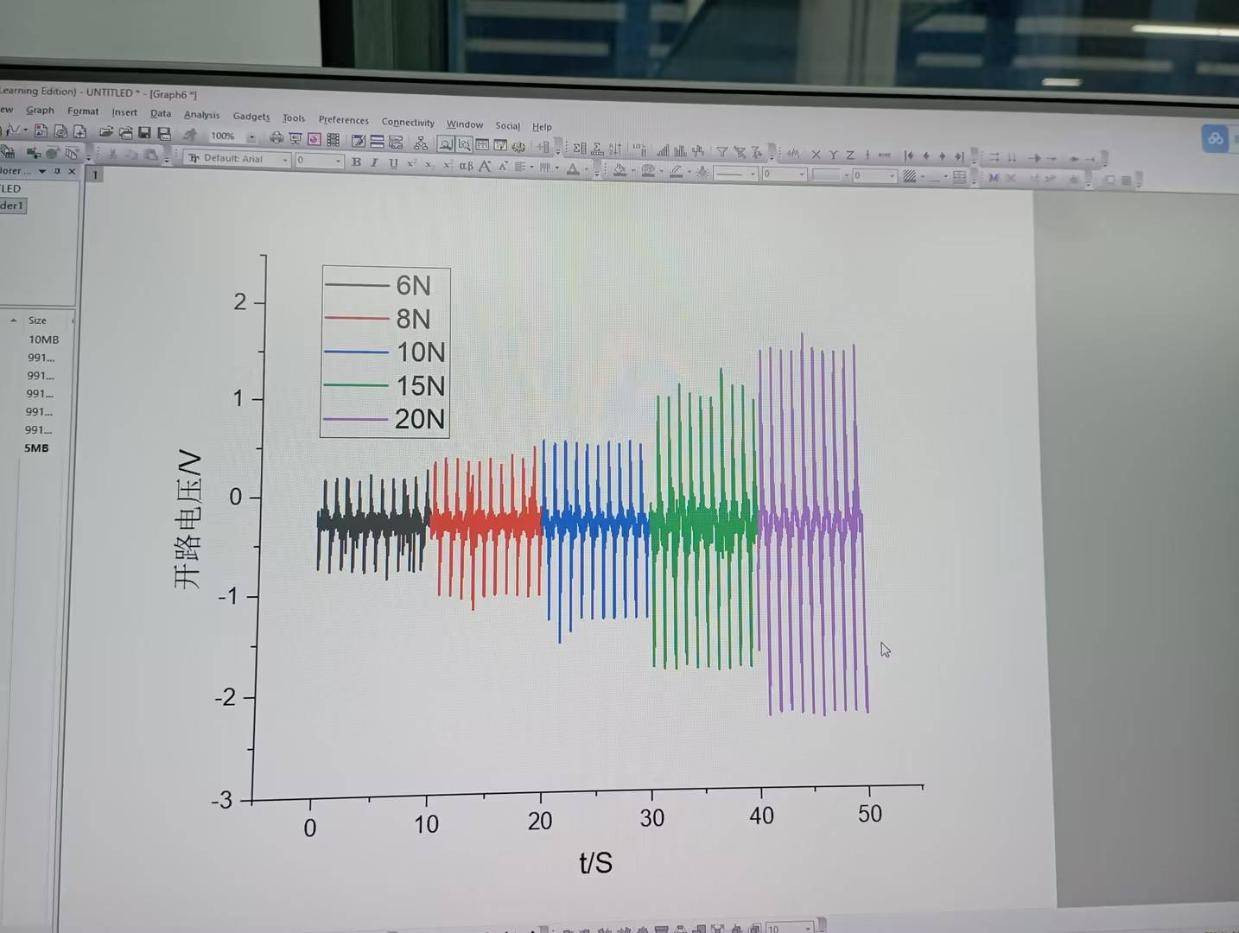
In the research, development, and quality control systems of functional materials and electronic devices, the coupling characteristics between electrical and mechanical properties represent a core indicator that determines product reliability and operational lifespan. The MatMeas Testing Center has introduced an advanced open circuit voltage cyclic force testing solution. As a professional technical method designed to accurately characterize the electromechanical coupling behavior of materials, it simulates cyclic mechanical loads under actual working conditions while continuously monitoring the dynamic response of the sample's open circuit voltage in real time.
Core Technical Principles
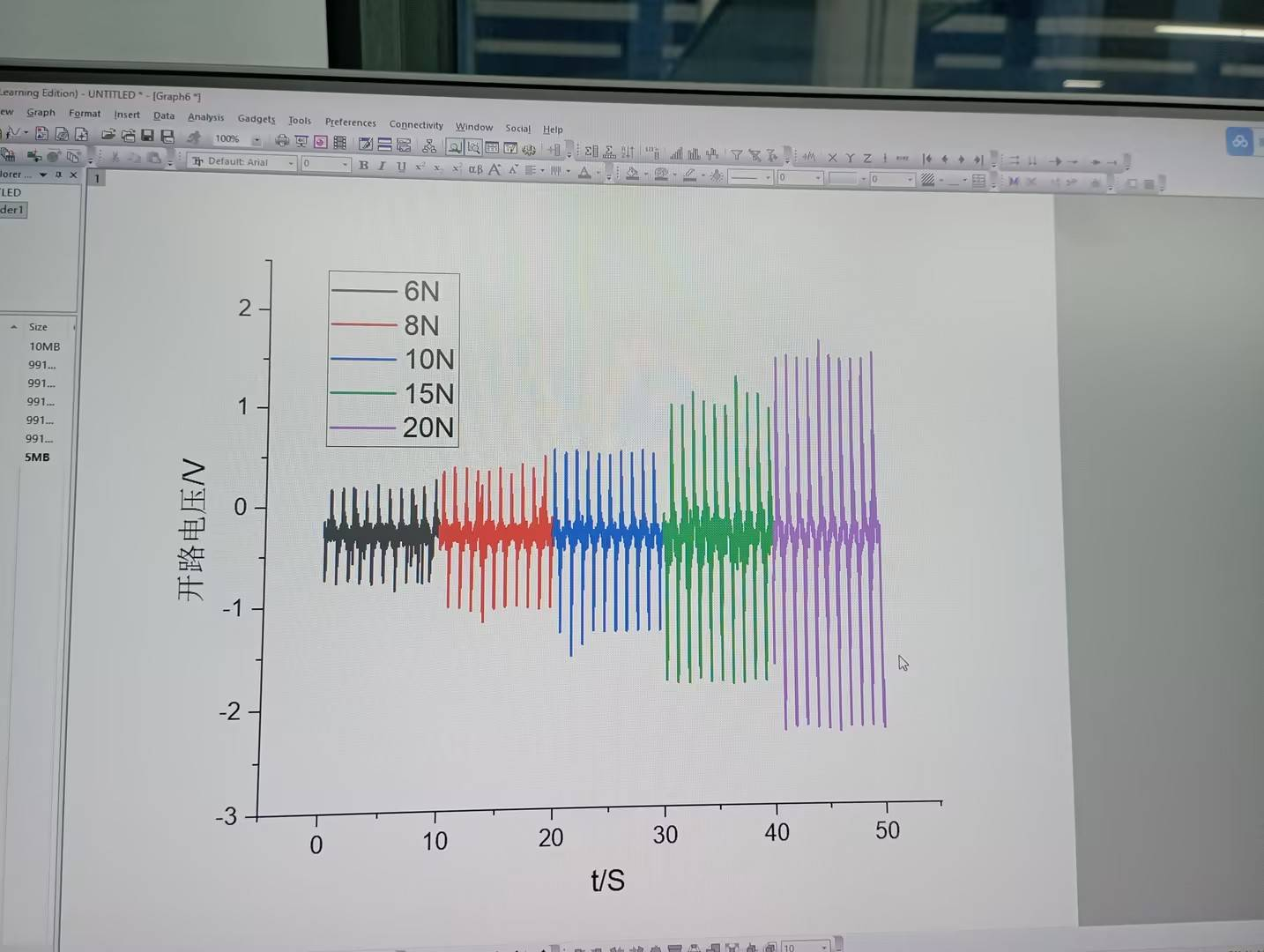
The open circuit voltage refers to the electrical potential difference between electrodes when a material or device is in a state without an external current path. The stability of this value directly reflects the internal electrochemical balance, interface contact state, and overall charge storage capacity. Cyclic force testing applies controlled periodic mechanical loads—such as tension, compression, and bending—to simulate the mechanical stresses a material endures during its service life. By combining these two testing paradigms, the open circuit voltage cyclic force test can successfully capture voltage fluctuations, decay patterns, and recovery characteristics under mechanical stimulation, thereby revealing the intrinsic mechanisms of electromechanical coupling.
Comprehensive Testing Process
The testing process at the MatMeas Testing Center is founded on principles of high precision and full traceability. Before testing, samples undergo a rigorous standardized pretreatment to ensure clean surfaces and optimal contact. During the test, a high-precision voltage acquisition system, capable of microvolt-level resolution, works in tandem with a servo-controlled mechanical loading platform. This advanced setup enables the synchronous acquisition of mechanical load and voltage signals. The system allows precise control over cycle numbers, loading rates, stress amplitudes, and waveforms, accommodating testing requirements that range from low-cycle to high-cycle fatigue environments.
Application Value and Future Outlook
The primary value of this test lies in its ability to deeply analyze the electrical performance degradation mechanisms of materials under dynamic mechanical action. For functional materials like piezoelectric ceramics, ferroelectric ceramics, and smart hydrogels, cyclic forces can induce structural distortion, domain switching, or changes in carrier trap states. By analyzing the voltage-cycle curves, engineers can clearly define fatigue thresholds and failure critical points. MatMeas's professional equipment guarantees data accuracy and reliability, supporting scientific publications, product certifications, and mass production quality control. These capabilities empower researchers and manufacturers to optimize material compositions and establish standardized reliability screening protocols.
Recommended Solutions
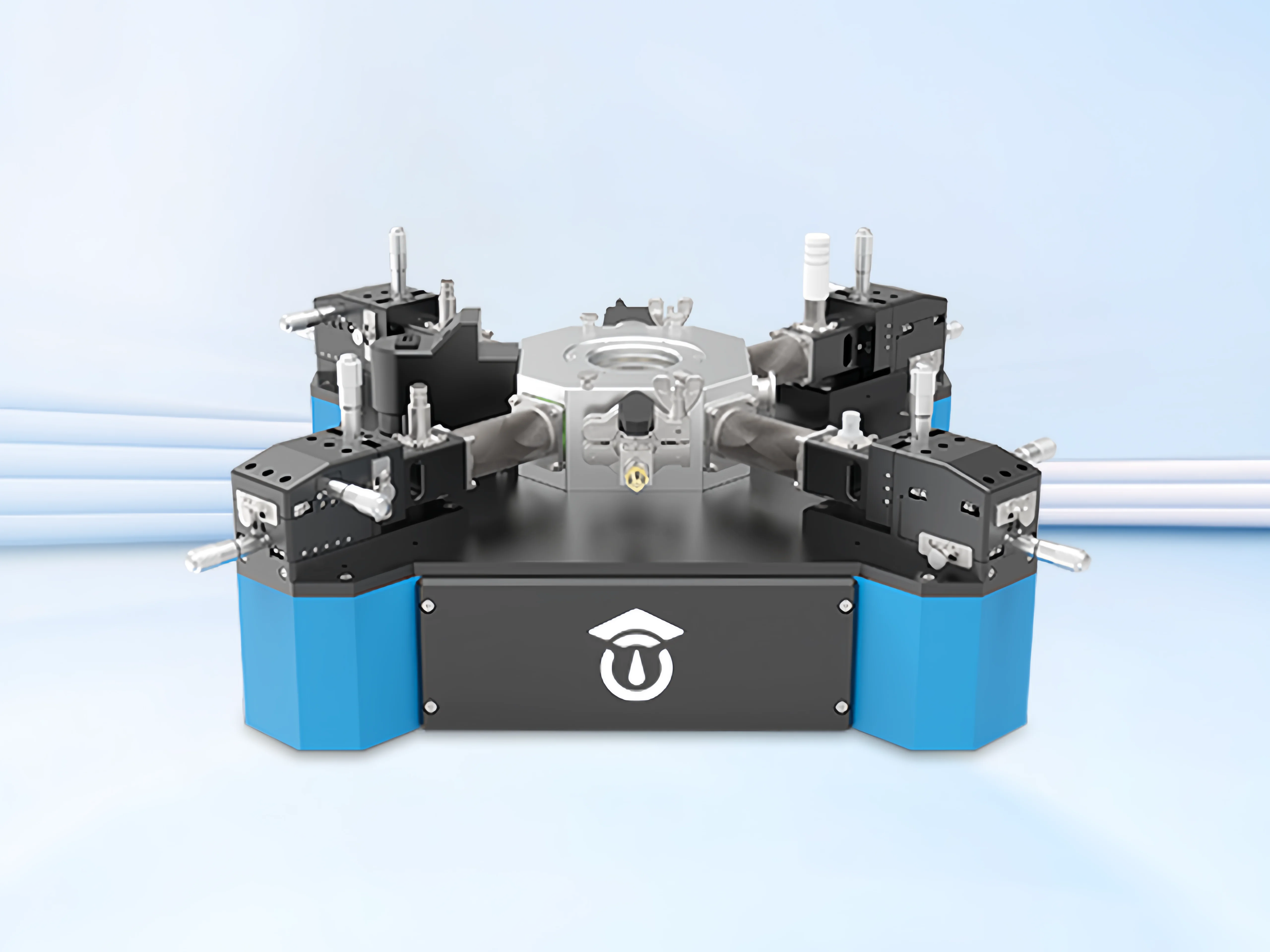
For advanced dielectric and electromechanical testing, we recommend utilizing the CPS7000 High-Low Temperature Dielectric Vacuum Probe Station. This sophisticated instrument offers exceptional environmental control and precision, making it an ideal choice for evaluating the dynamic electrical properties of modern functional materials under varying conditions.
FAQ
Q: Why do my open-circuit voltage measurements under cyclic force drift over time?
A: Conventional rigs suffer from mechanical resonance and impedance mismatch during extended cyclic loading. MatMeas cyclic force systems integrate ultra-high impedance electrometer circuits with active vibration damping, eliminating signal drift and capturing pristine piezoelectric responses even after millions of cycles.
Q: How does sample clamping affect the accuracy of cyclic stress tests?
A: Standard mechanical clamps introduce parasitic shear forces that corrupt the pure d33/d31 voltage response. MatMeas utilizes specialized self-aligning spherical bearing fixtures that strictly isolate uniaxial force, ensuring the voltage output represents genuine material behavior, not fixture misalignment.
Q: Can we synchronize the open-circuit voltage acquisition with the exact peak of the mechanical wave?
A: Separate data loggers often suffer from millisecond-level latency, missing the true peak voltage. MatMeas controllers feature hardware-level FPGA synchronization, locking the electrical sampling exactly to the force peak with sub-microsecond precision for absolute peak-to-peak accuracy.
Request High-Precision Testing Solutions
Get expert guidance and customized instruments for your functional materials project.