[Nature Comm] Tianjin University Synthesizes 2D Gersiloxenes for Photocatalytic H₂ Evolution and CO₂ Reduction, Powered by MatMeas MRVS-1002
Technical News
![[Nature Comm] Tianjin University Synthesizes 2D Gersiloxenes for Photocatalytic H₂ Evolution and CO₂ Reduction, Powered by MatMeas MRVS-1002](/_next/image?url=https%3A%2F%2Fmatmeas-media.us-lax-4.linodeobjects.com%2Fnews%2Ftianjin-2d-gersiloxene-photocatalysis-vacuum-sealer%2Ffeatured.webp&w=3840&q=75)
A breakthrough team from the School of Materials Science and Engineering, Tianjin University, led by Profs. Yiyu Feng and Wei Feng, published a landmark paper in the world-renowned journal Nature Communications. They successfully synthesized a new class of bandgap-tunable two-dimensional (2D) materials—gersiloxenes, GeSi alloy monolayers—and demonstrated their outstanding photocatalytic performance for both hydrogen evolution and CO₂ reduction to CO.
📖 Literature Reference:
Title: Two-dimensional gersiloxenes with tunable bandgap for photocatalytic H₂ evolution and CO₂ photoreduction to CO
Journal: Nature Communications
Research Team: Prof. Yiyu Feng and Prof. Wei Feng's Group, School of Materials Science and Engineering, Tianjin University
DOI Link: 10.1038/s41467-020-15262-4
Two-dimensional materials are reshaping clean energy research. While graphene opened the era, it has no intrinsic bandgap, limiting its use in photocatalysis. The search for 2D materials that can be precisely tuned to the solar spectrum is one of the most competitive frontiers in materials science today. Silicene and germanene offer more flexibility, but engineering a germanium-silicon alloy 2D material with a controllable bandgap from the UV to the visible range—and deploying it for real-world photocatalytic applications—had never been accomplished. Until this Tianjin University study.
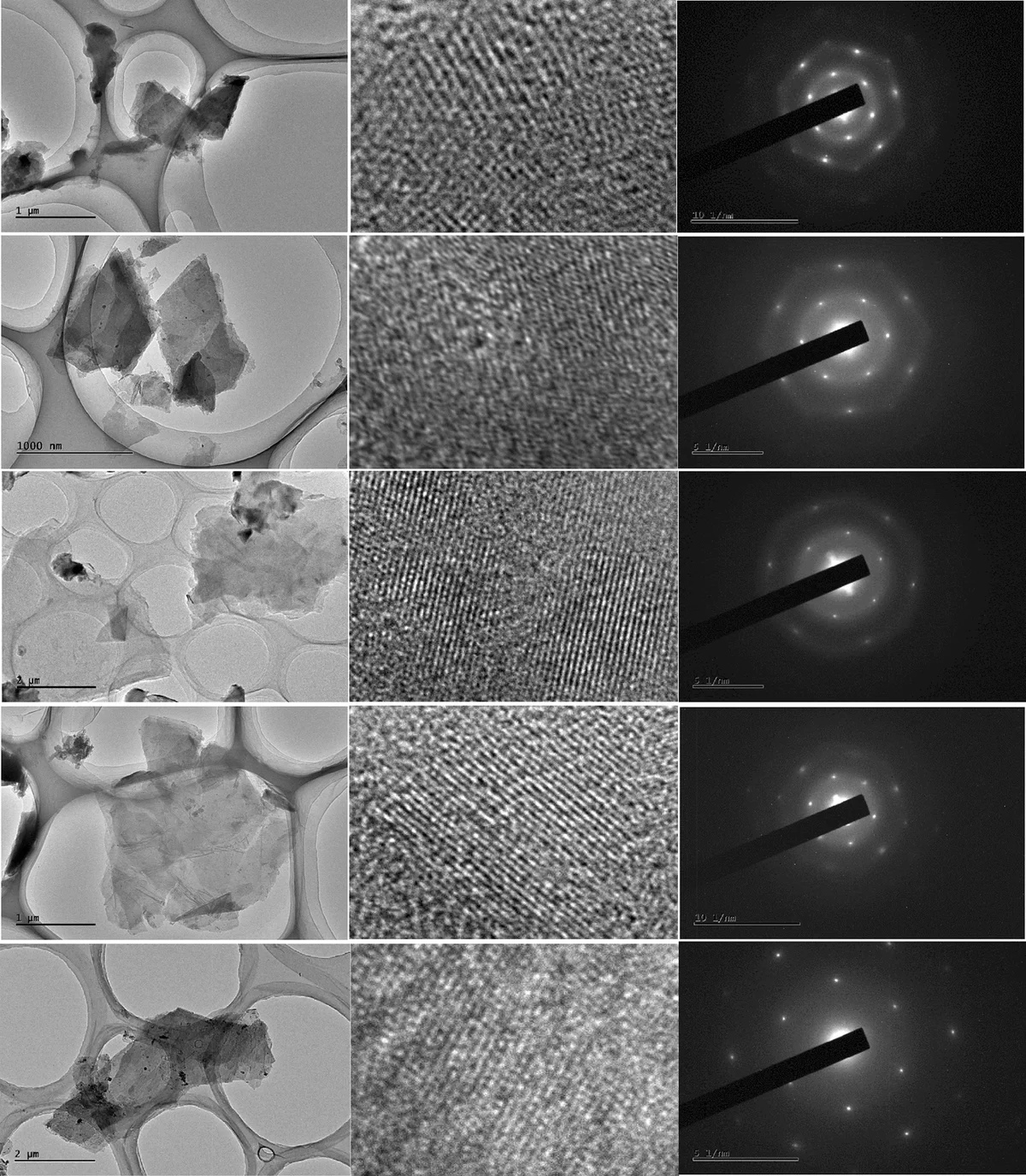
🔬 The Challenge: Synthesizing Zintl-Phase Crystals at 1200 °C in Total Isolation
The path to 2D gersiloxenes begins with synthesizing trigonal rhombohedral Zintl-phase CaGe₂₋₂ₓSi₂ₓ precursor crystals. This process is an extreme engineering hurdle: stoichiometric amounts of highly reactive pure calcium (Ca), germanium (Ge), and silicon (Si) must be annealed at temperatures between 1000 °C and 1200 °C for 16–20 hours.
The vulnerability is severe: calcium is violently reactive with oxygen and moisture at even modest temperatures. Exposure to even trace amounts of air during this prolonged extreme-heat synthesis phase would instantly oxidize the calcium, destroying the stoichiometry and producing the wrong crystal structure. No Zintl-phase crystals means no gersiloxenes—and no Nature Communications paper.
🌟 The Solution: MatMeas MRVS-1002 Vacuum Sealing System
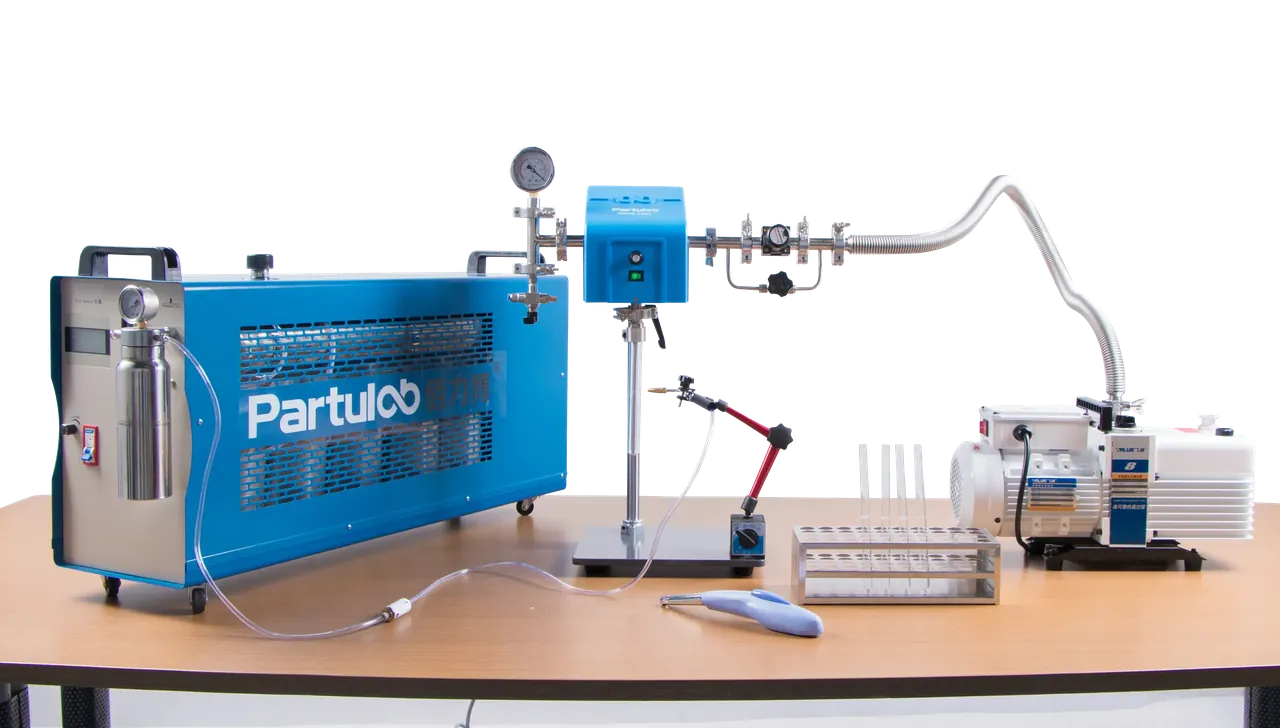
To completely exclude oxygen and moisture from the entire 20-hour synthesis, the research team trusted the MatMeas MRVS-1002 Vacuum Sealing System (formerly Partulab). As detailed in the paper's Methods Section:
"...calcium (Ca, 99.999%, Macklin), and silicium (Si, 99.99%, Adamas) were loaded in stoichiometric amounts into a quartz tube in an argon filled glovebox, then vacuum sealed using a MRVS-1002 vacuum sealing system (Partulab, Wuhan, China), annealed at 1000−1200 °C for 16−20 h with a tube furnace, and cooled to room temperature over 1−5 days."
The workflow highlights the importance of a multi-layered protection strategy: the materials were first handled inside an argon-filled glovebox, then immediately transferred to the MRVS-1002, which applied a deep vacuum seal to the quartz tube. This two-step approach guaranteed that zero oxygen or moisture could contact the reactive calcium-germanium-silicon mixture throughout the entire 20-hour high-temperature annealing cycle—creating a perfect hermetic micro-reactor.
📈 From Perfect Crystals to Breakthrough 2D Materials
Protected by the MatMeas vacuum seal, the high-temperature annealing proceeded flawlessly. The resulting high-purity Zintl-phase CaGe₂₋₂ₓSi₂ₓ crystals were subsequently subjected to a topotactic deintercalation reaction to produce the 2D gersiloxene nanosheets.
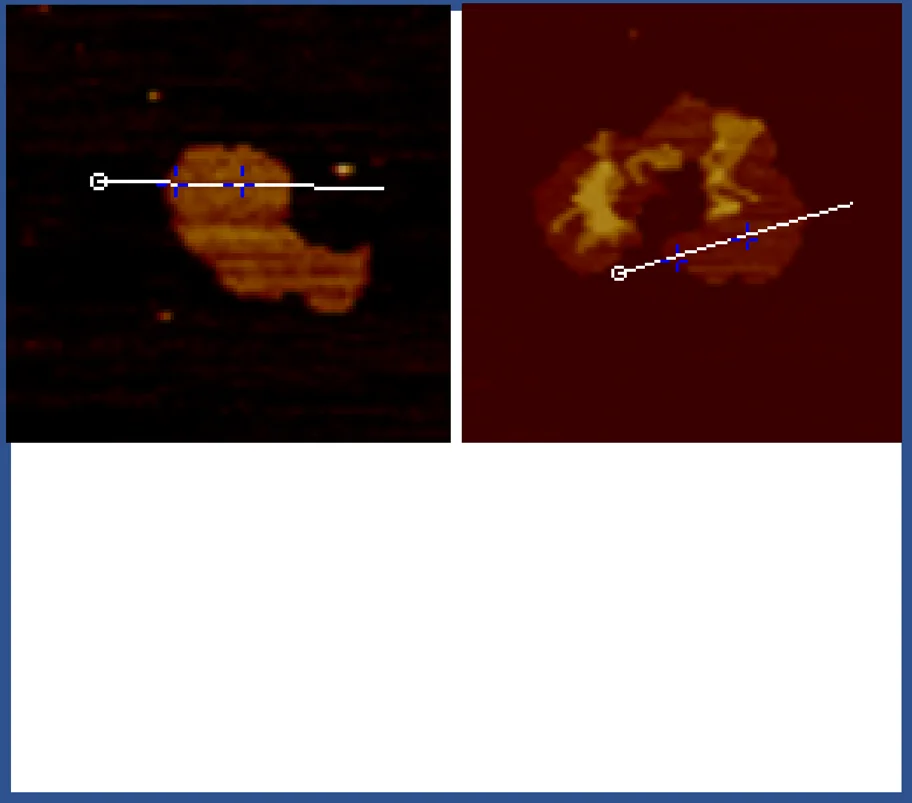
The tunable bandgap of gersiloxenes with varying Si/Ge ratios, enabled by the contamination-free Zintl-phase crystal synthesis protected by the MatMeas MRVS-1002.
By simply varying the Si/Ge ratio in the precursor crystals, the team achieved continuous bandgap tuning from 1.88 eV (pure germanane) to 3.29 eV (pure silicene)—perfectly spanning the solar spectrum. The optimized gersiloxene composition delivered an impressive apparent quantum efficiency (AQE) of 5.95% at 420 nm for CO production in CO₂ photoreduction.
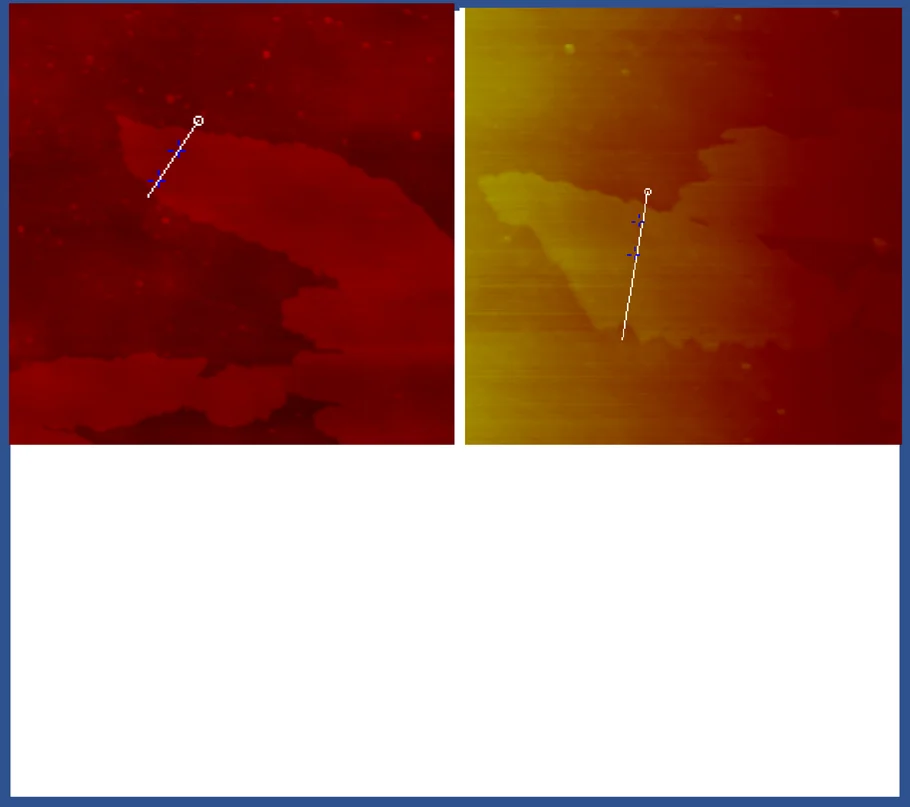
Photocatalytic hydrogen evolution performance of gersiloxene nanosheets with different Si/Ge compositions—the culmination of a flawless high-temperature synthesis chain secured by MatMeas.
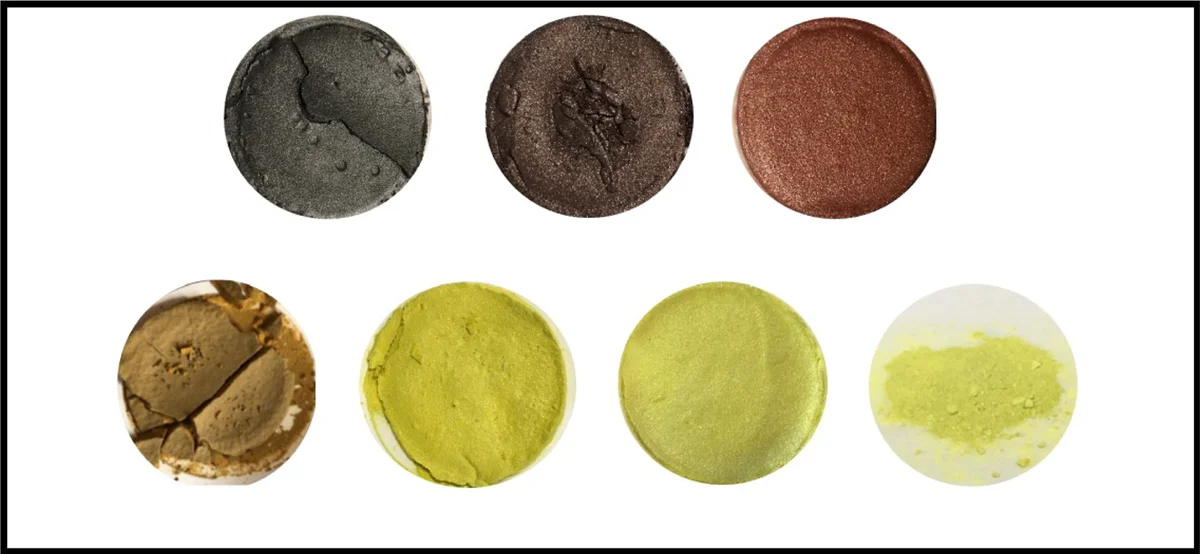
CO₂ photoreduction to CO performance, demonstrating the outstanding catalytic activity of gersiloxenes—materials whose flawless synthesis was made possible by the contamination-free encapsulation of the MatMeas MRVS-1002.
Nature-Level Research Demands Nature-Level Sample Preparation
Pioneering new frontiers in 2D materials photocatalysis requires the absolute elimination of contamination risks at every synthesis step. The MatMeas MRVS series is specifically engineered for researchers who cannot afford a single point of failure in their sample preparation—from reactive metal handling to extreme high-temperature annealing.
Explore the MatMeas MRVS-1003 High-Vacuum Rotary Sealing System—the next-generation platform that continues the legacy of the MRVS-1002 with enhanced vacuum performance, adjustable rotary sealing, and molecular-pump-grade cleanliness. If your research involves highly reactive elements, extreme-temperature crystal growth, or advanced 2D material synthesis, contact our technical team for a customized solution today!
📥 Literature PDF Download:
Request High-Precision Testing Solutions
Get expert guidance and customized instruments for your functional materials project.