[Corrosion Science] Tianjin University Reveals How Crystal Structure Controls Al-Zr Alloy Oxidation, Powered by MatMeas MRVS-3002
Technical News
![[Corrosion Science] Tianjin University Reveals How Crystal Structure Controls Al-Zr Alloy Oxidation, Powered by MatMeas MRVS-3002](/_next/image?url=https%3A%2F%2Fmatmeas-media.us-lax-4.linodeobjects.com%2Fnews%2Ftianjin-al-zr-alloy-oxidation-kinetics-vacuum-sealer%2Ffeatured.webp&w=3840&q=75)
A research team from the School of Materials Science and Engineering, Tianjin University, in collaboration with the Swiss Federal Laboratories for Materials Science and Technology (Empa), published a definitive comparative study in the prestigious journal Corrosion Science. Their work systematically reveals how the structural order—amorphous versus crystalline—of an Al-Zr alloy fundamentally dictates its oxidation kinetics and the evolution of its oxide phases.
📖 Literature Reference:
Title: Effect of structural order on oxidation kinetics and oxide phase evolution of Al–Zr alloys
Journal: Corrosion Science
Research Team: Prof. Zumin Wang's Group, School of Materials Science and Engineering, Tianjin University
DOI Link: 10.1016/j.corsci.2019.108407
The structural state of a metallic alloy—amorphous or crystalline—profoundly affects its corrosion behavior. Amorphous alloys, lacking the grain boundaries and crystallographic defects of their crystalline counterparts, are expected to exhibit fundamentally different oxidation kinetics. Yet, quantifying these differences in a controlled, contamination-free environment requires extraordinary experimental precision. The Tianjin University team designed a landmark head-to-head comparison between amorphous Al68at.%Zr32at.% and crystalline Al2Zr alloys to decode these mechanisms—a study with profound implications for surface engineering and corrosion-resistant coatings design.
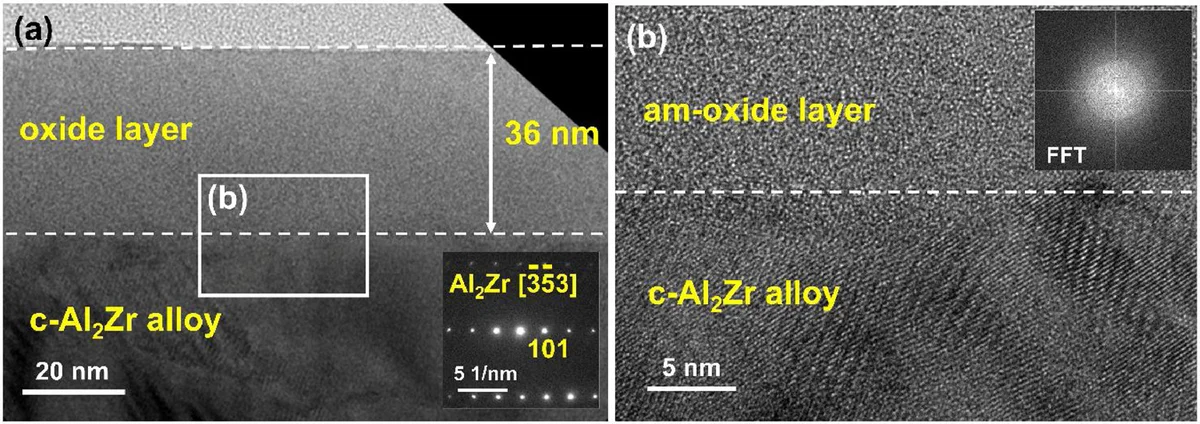
🔬 The Challenge: Pure Oxygen Atmospheres Without Any Compromise
To isolate the single variable of atomic structure, the research team had to perform isothermal oxidation at 350, 375, and 400 °C in an absolutely uncontaminated pure oxygen environment. Any microscopic presence of ambient nitrogen, moisture, or residual air would corrupt the parabolic and linear rate law calculations—potentially invalidating the entire study. The experimental protocol demanded:
- Deep vacuum evacuation to eliminate all ambient contaminants
- Three cycles of ultra-pure oxygen backfilling for complete atmospheric control
- Precise room-temperature pressure lock-in (0.47, 0.45, and 0.44 bar) to achieve exactly 1 bar at the elevated temperatures
- Hermetic sealing with zero leakage during the entire thermal treatment
🌟 The Solution: MatMeas MRVS-3002 Vacuum Sealing System
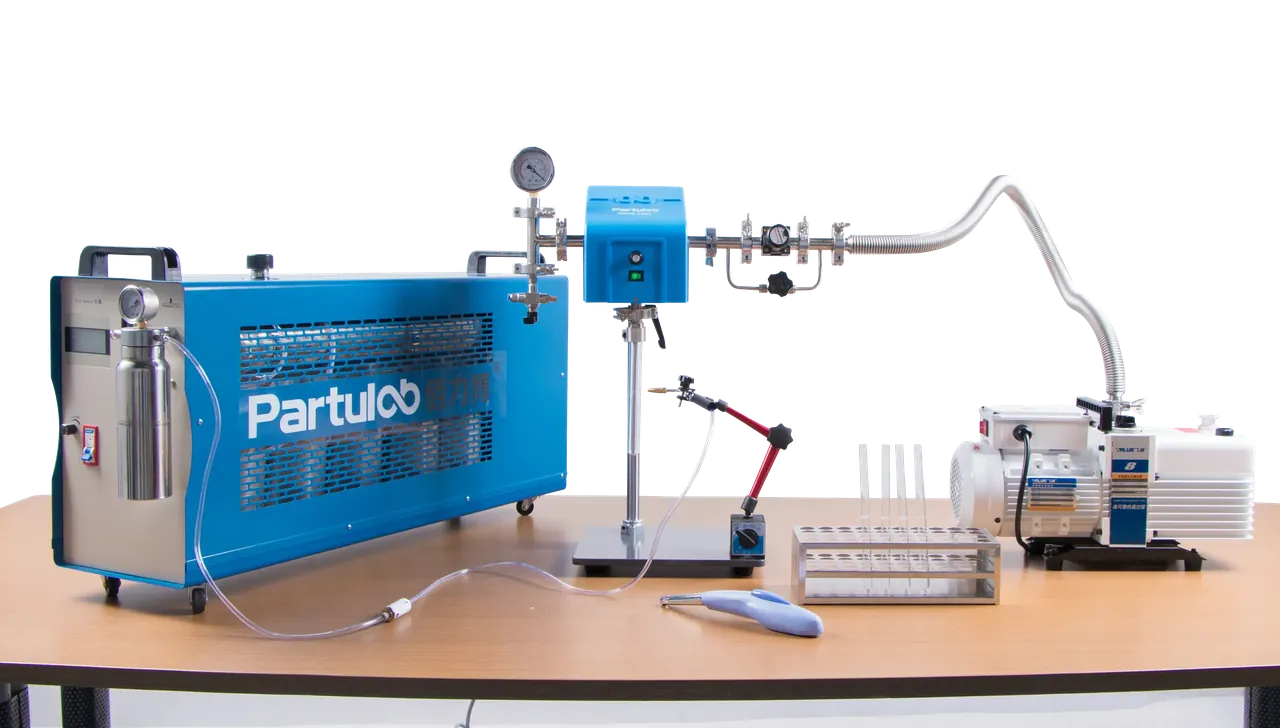
The experimental integrity of this benchmark study was guaranteed by the MatMeas MRVS-3002 Vacuum Sealing System (formerly BaLab / Partulab). As explicitly documented in the Experimental Section of the paper:
"The c-Al2Zr specimens were sealed in quartz tubes for thermal oxidation in a vacuum sealing system (MRVS-3002, Partulab Technology Co. Ltd)"
The MRVS-3002 system served as the team's indispensable atmosphere management platform, delivering flawless execution of the complex vacuum-to-backfill workflow. Both the amorphous and crystalline specimens were loaded into quartz tubes, evacuated to ~1 Pa, then subjected to three precise cycles of 99.999 vol.% pure oxygen backfilling—all before the hermetic flame seal was applied. This guaranteed that each specimen experienced an identical, perfectly controlled pure oxygen environment throughout the entire thermal treatment, making the structural comparison scientifically rigorous and publication-worthy.
📈 Key Findings: How Structural Disorder Controls Oxidation
The comprehensive analytical results—combining XRD, AES depth profiling, and cross-sectional TEM—delivered clear and definitive answers.
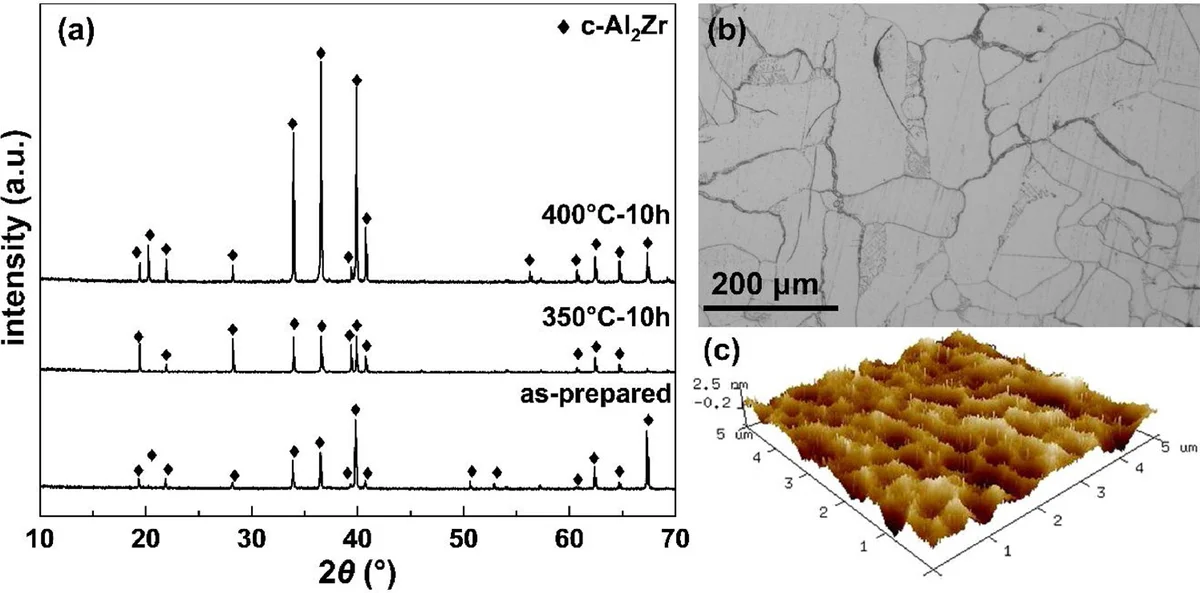
XRD patterns confirming the structural states of the amorphous and crystalline Al-Zr specimens—the foundation of the comparative study enabled by the MatMeas MRVS-3002.
The study proved that long-range atomic disorder in amorphous alloys dramatically impedes oxygen diffusion, resulting in significantly reduced, parabolic oxidation kinetics compared to the crystalline alloy. Conversely, the grain boundaries in crystalline Al2Zr provide fast-diffusion pathways, accelerating oxidation and generating distinct, crystalline oxide phases. The amorphous Al-Zr alloy, by contrast, forms a more uniform, protective amorphous oxide layer.
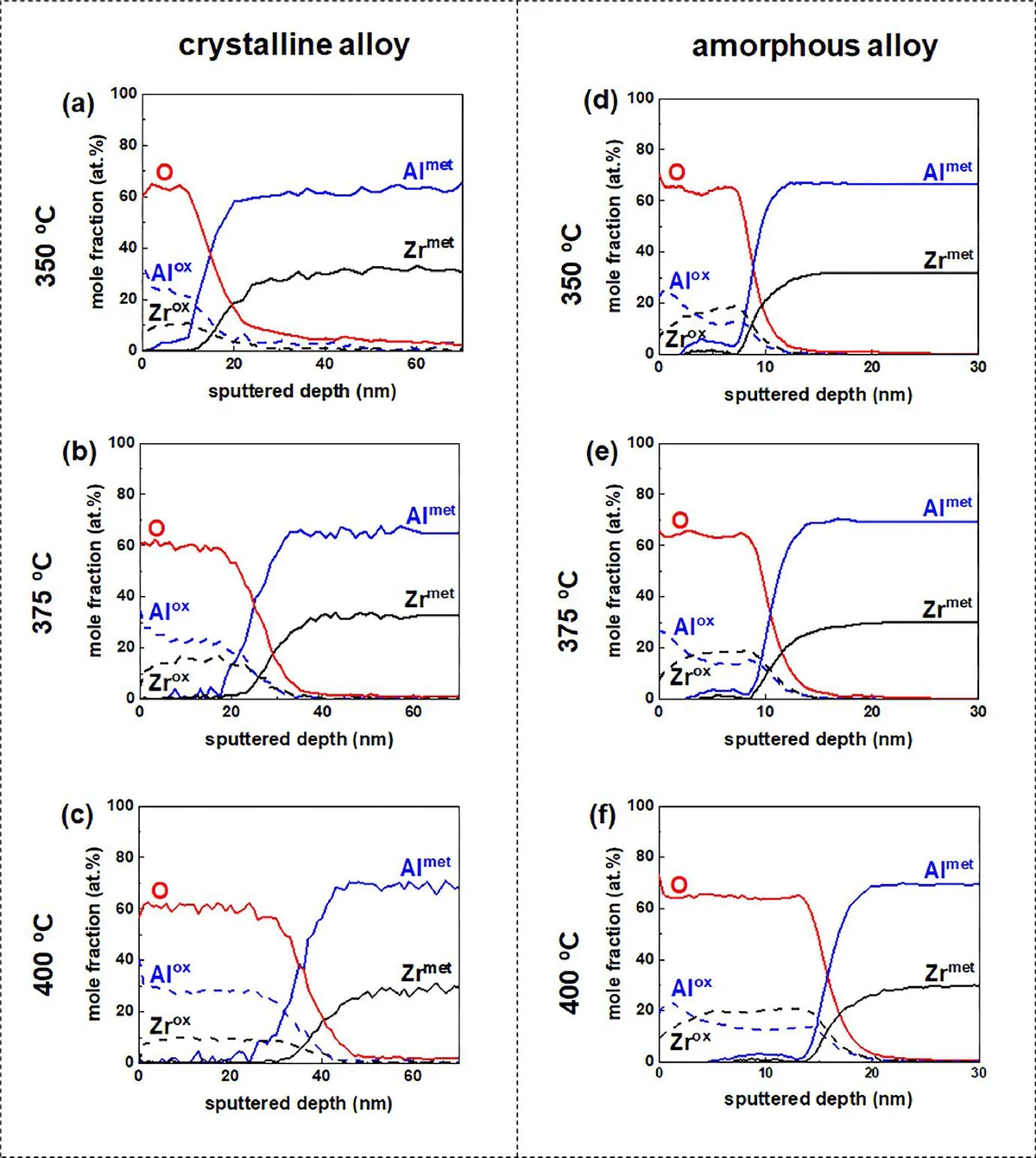
Oxidation kinetic curves comparing the parabolic (amorphous) vs. linear (crystalline) growth rates—data made reliable by the precise atmosphere control of the MatMeas MRVS-3002.
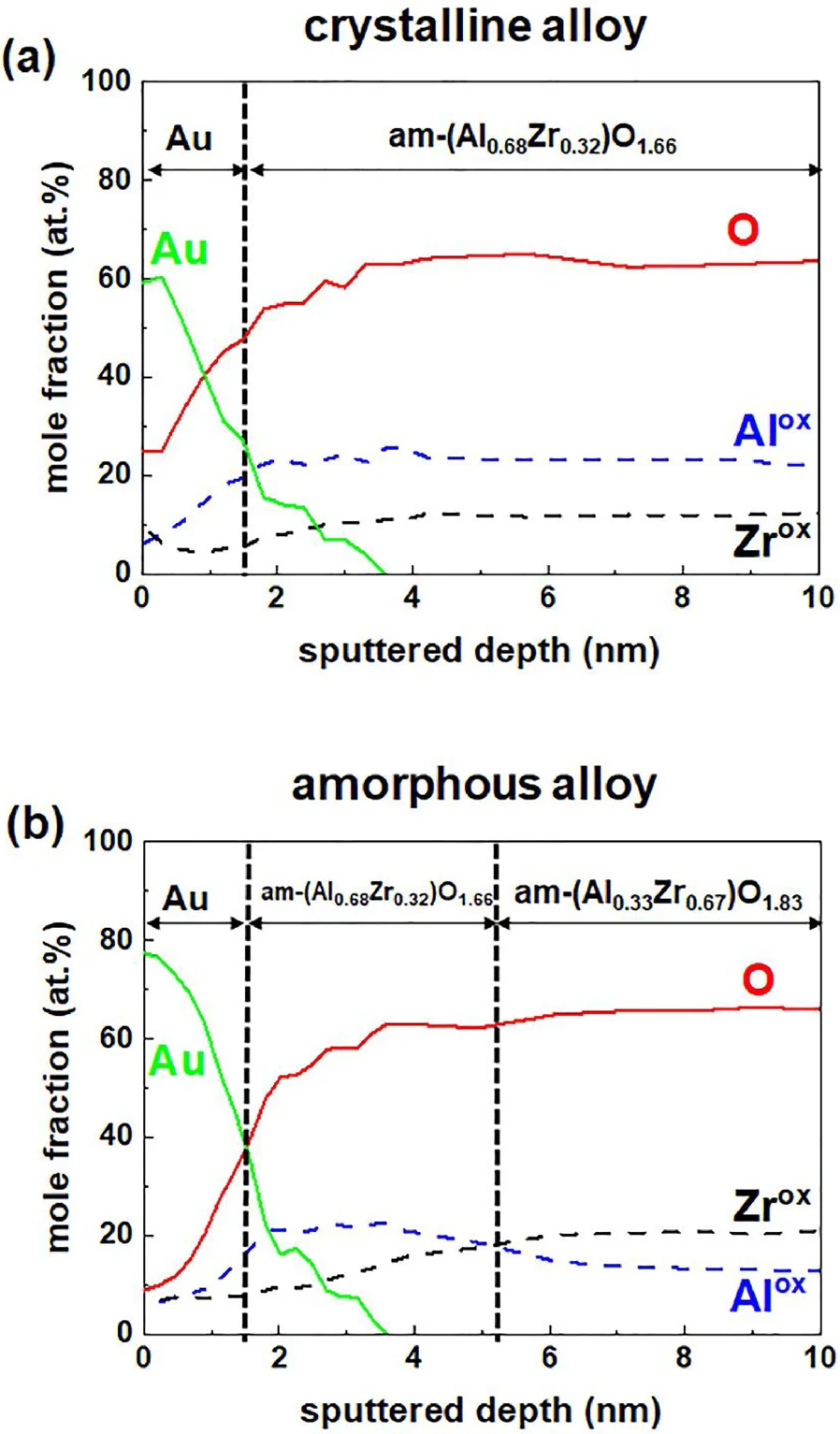
Cross-sectional oxide layer comparison, demonstrating the stark structural differences in oxide phase evolution between amorphous and crystalline Al-Zr alloys.
Publication-Proven Reliability for Your Oxidation Studies
Whether your research involves mapping parabolic diffusion rates or characterizing linear oxidation growth, atmospheric contamination is never an option. The MatMeas MRVS series is specifically engineered for the "vacuum-to-backfill" complexity that top-tier corrosion science demands.
Explore our latest generation MatMeas MRVS-1003 High-Vacuum Rotary Sealing System. It offers adjustable rotary motion, an ultra-low leak rate, and high-temperature flame capabilities—eliminating the guesswork from controlled-atmosphere oxidation studies. Contact our expert technical team for a customized solution today!
📥 Literature PDF Download:
Request High-Precision Testing Solutions
Get expert guidance and customized instruments for your functional materials project.