Alumina Ceramic Substrate Dielectric Testing Guide
Technical News
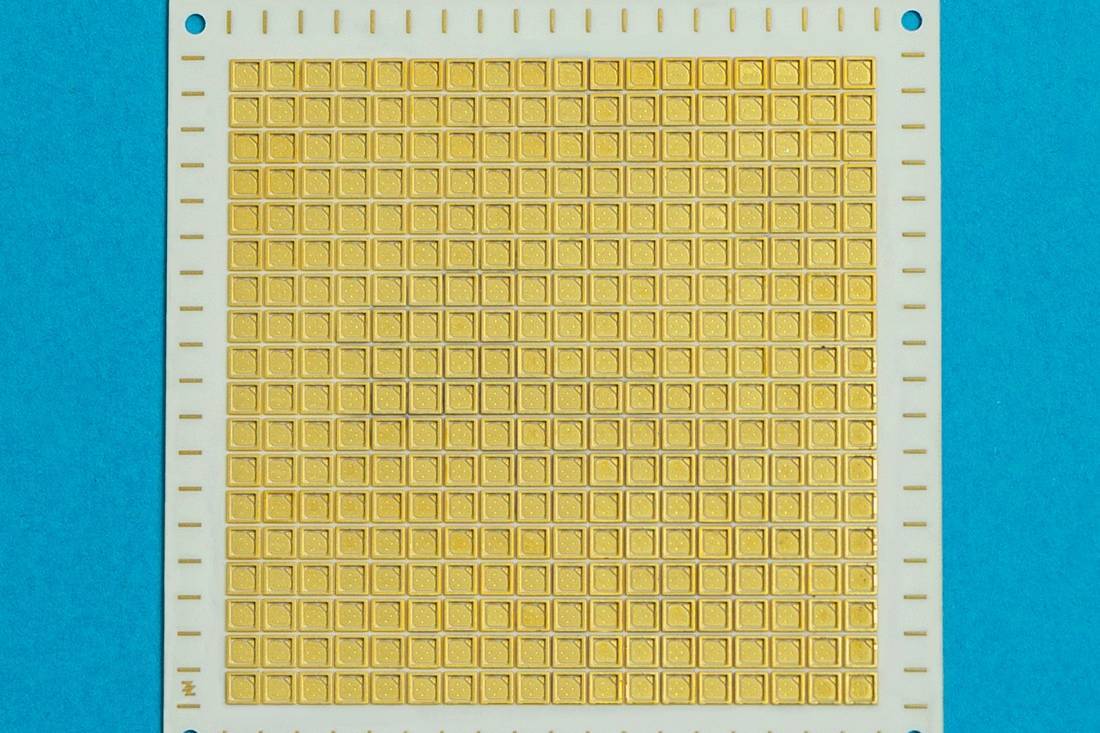
Alumina ceramic substrates are foundational components in power electronics, high-frequency telecommunications, and advanced packaging, prized for their exceptional thermal conductivity, mechanical strength, and electrical insulation. However, as electronic devices operate at increasingly higher frequencies and power densities, the dielectric properties of these substrates become a critical bottleneck for signal integrity and thermal management. Precise dielectric testing is essential to ensure these materials meet stringent performance requirements.
Critical Dielectric Parameters
Evaluating the dielectric performance of alumina substrates involves analyzing several key parameters that directly impact device efficiency:
Dielectric Constant (Relative Permittivity)
The dielectric constant dictates the signal propagation delay and capacitive coupling within the circuit. For high-frequency applications, a lower dielectric constant is generally preferred to minimize signal transmission latency and reduce cross-talk. Testing the dielectric constant across the intended operating frequency and temperature ranges ensures the substrate can maintain stable signal transmission.
Dielectric Loss Tangent (Dissipation Factor)
The loss tangent measures the proportion of electromagnetic energy converted into heat within the dielectric material under an alternating electric field. In high-power and high-frequency modules, excessive dielectric loss not only degrades signal strength but also generates substantial internal heat, exacerbating thermal management challenges. Identifying substrates with minimal loss tangents is crucial for high-efficiency device design.
Dielectric Strength (Breakdown Voltage)
Dielectric strength defines the maximum electric field the alumina substrate can withstand before electrical breakdown occurs. This parameter is the primary indicator of the material's insulation reliability, particularly in high-voltage power electronics where catastrophic failure must be prevented.
Material Purity and Application Requirements
The dielectric properties of alumina ceramics are highly dependent on their purity levels (e.g., 96%, 99%, or 99.6% Al2O3). Higher purity typically yields superior dielectric performance and lower losses, but at a higher manufacturing cost. The selection and testing of the appropriate substrate must align with the specific application:
- High-Frequency Devices: Demand ultra-low loss tangents and stable dielectric constants to preserve signal fidelity.
- Power Modules: Prioritize high dielectric strength and thermal conductivity to handle high voltages and dissipate heat effectively.
Testing and Quality Control
Implementing rigorous dielectric testing protocols—often utilizing specialized impedance analyzers or dielectric spectrometers—is critical for quality control during substrate manufacturing and incoming inspection. By accurately characterizing these parameters under simulated operating conditions (temperature and frequency sweeps), engineers can optimize material selection, improve circuit design, and guarantee the long-term reliability of the final electronic assemblies.
Related Testing Solutions
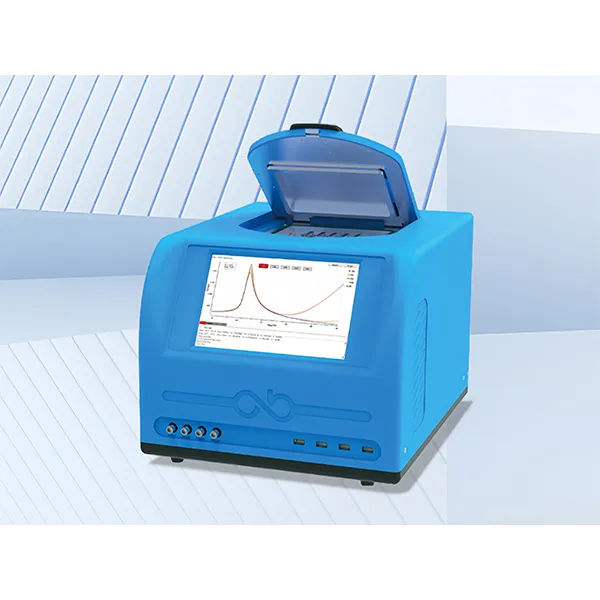
- Explore the DMS-2000 for precise material characterization.
Request High-Precision Testing Solutions
Get expert guidance and customized instruments for your functional materials project.