Ceramic Substrate Resistivity Testing Solutions
Technical News
As power electronics transition toward higher voltages and greater power densities—driven by the demands of electric vehicles (EVs) and renewable energy systems—the electrical insulation requirements for packaging materials have never been stricter. Ceramic substrates, primarily alumina and aluminum nitride, are tasked with providing this critical insulation. Accurately testing their volume and surface resistivity is fundamental to ensuring long-term device reliability and preventing catastrophic electrical failures.
Understanding Volume and Surface Resistivity
Resistivity testing of insulating ceramics is generally divided into two distinct measurements:
Volume Resistivity
Volume resistivity measures the electrical resistance through the bulk of the ceramic material. It is a defining characteristic of the material's intrinsic insulating capability. High volume resistivity ensures that leakage currents passing directly through the substrate remain negligible, even under the extreme electric fields typical of modern SiC or GaN power modules. Any degradation in volume resistivity—often caused by impurities, insufficient sintering, or micro-porosity—can lead to localized heating and eventual thermal runaway.
Surface Resistivity
Surface resistivity measures the electrical resistance across the surface of the substrate. This parameter is highly sensitive to environmental factors such as humidity, surface contamination, and the quality of the metallization process. A compromised surface resistivity can facilitate arc tracking and surface flashover, particularly in densely packed circuits where the distance between conductive traces is minimal.
Advanced Testing Methodologies
Due to the extremely high resistance values inherent to technical ceramics (often exceeding 10^14 ohms), specialized testing equipment is required.
Standard digital multimeters are insufficient. Instead, high-precision instruments like the RMS-1000s and RMS-1000c Resistivity Measurement Systems are employed. These systems typically utilize a three-electrode configuration (consisting of a measuring electrode, a guard electrode, and a high-voltage electrode). The guard electrode plays a crucial role by shunting surface leakage currents away from the measuring circuit, allowing for the precise and independent measurement of true volume resistivity.
Furthermore, because resistivity in ceramics is highly temperature-dependent—typically decreasing as temperature rises—testing must often be conducted across a spectrum of thermal conditions. By mapping resistivity profiles from room temperature up to expected operational extremes, engineers can accurately predict the substrate's insulation performance under real-world thermal loads, ensuring robust and fail-safe power electronic designs.
Related Testing Solutions
Related Instruments & Equipment
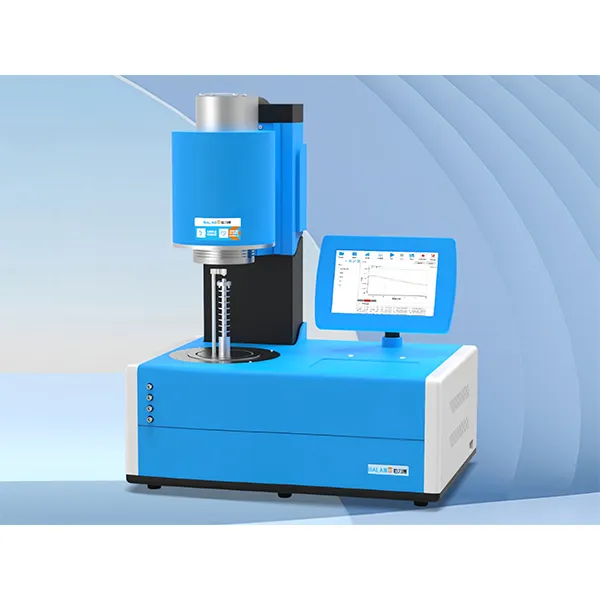
MatMeas RMS-1000S High-Temp Semiconductor Resistivity System
RMS-1000S is optimized for semiconductor bulk materials with four-wire method, offering 0.1mΩ~100MΩ measurement range, spring-loaded platinum electrodes, and multiple atmosphere environments for complex resistivity characterization.
View details →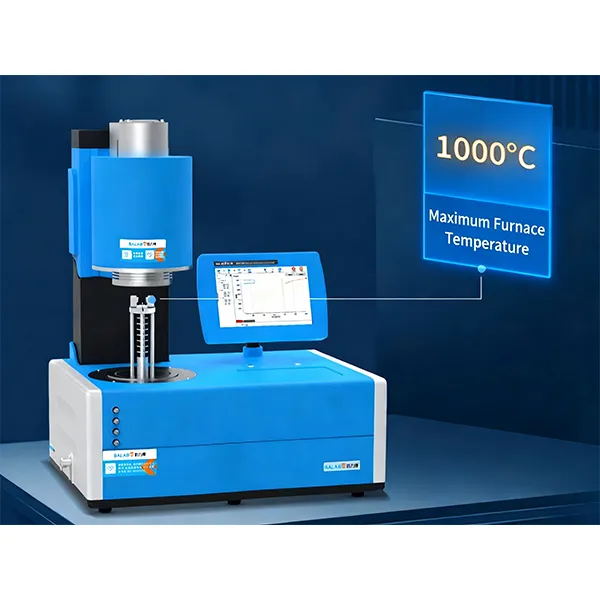
MatMeas RMS-1000C High-Temp Conductive Material Resistivity System
RMS-1000C is designed for conductive materials resistivity measurement using 4-wire method, featuring nΩ-level precision, RT-1000°C temperature range, and vacuum/atmosphere environments for carbon, metal, and oxide materials.
View details →Request High-Precision Testing Solutions
Get expert guidance and customized instruments for your functional materials project.