Overview
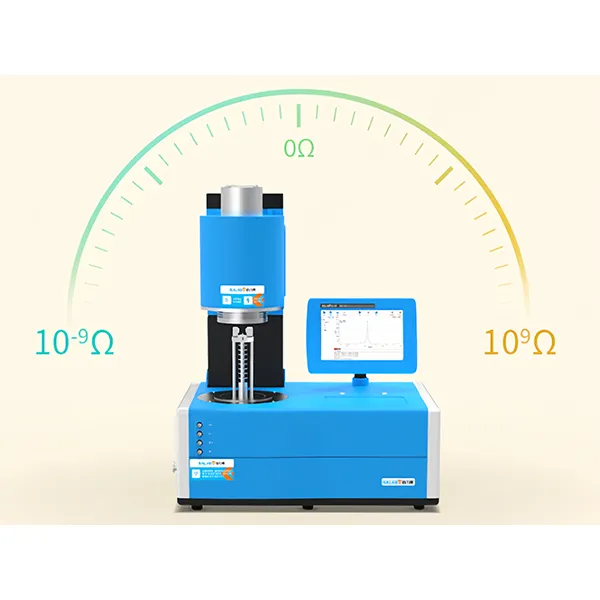
RMS-1000C High-Temp Conductive Material Resistivity Measurement System is a professional instrument for evaluating conductive material electrical properties. As a leading resistivity measurement system supplier, we provide nΩ-level precision measurement for carbon-based, metal-based, metal oxide, and conductive polymer materials. The system adopts four-wire resistance method with patented probe fixture, ensuring accurate data even at high temperatures. Ideal for research institutes, universities, and quality control laboratories requiring reliable bulk resistivity testing.
Specifications
| Parameter | Value |
| Measurement Principle | Four-wire resistivity measurement method |
| Main Measurement | Resistance & resistivity vs temperature/time |
| Resistance Range | 1nΩ ~ 1GΩ |
| Atmosphere | High temperature; vacuum / controlled atmosphere |
| Sample Forms | Discs, blocks, bars |
| Notable Features | Integrated design; left-right probe fixture; WiFi training; fault diagnosis indicators |
| Temperature Range | RT-600°C / 1000°C |
| Temperature Control Accuracy | ±0.5°C |
| Temperature Control Method | PID precision control |
| Heating Rate | 0-10°C/min (typical 3°C/min) |
| Resistivity Range | 0.1nΩ.cm ~ 100MΩ.cm |
| Sample Specification | 10mm×10mm×20mm |
| Measurement Method | Four-wire resistance method |
| Electrode Material | Left/right: Platinum; Center: Tungsten carbide |
| Display | 10.1" color touchscreen |
| Data Interface | USB |
| Data Storage | TXT format |
| Dimensions (L×H×W) | 630×640×450mm |
| Weight | 42.5kg |
| Power Supply | 220V±10%, 50Hz |
| Working Environment | 5°C to +40°C |
| Standards | ASTM B193-02, GB/T6146-2010, GB/T15662-1995 |
Applications
- RMS-1000C is widely used for resistivity measurement of carbon-based conductive materials (graphite, carbon black), metal-based materials (copper, aluminum, alloys), metal oxide conductive materials, structural conductive polymers, and composite conductive materials. Essential for battery electrode materials, electromagnetic shielding materials, conductive coatings, and electronic component manufacturing.
More Details
RMS-1000C Features
Integrated design with unique left-right probe fixture for stable low-resistance testing.
Measurement Environment
Supports high-temperature testing in vacuum and controlled/flowing atmospheres with fault diagnosis indicators.
FAQ
How does the RMS-1000C eliminate the massive thermal EMF errors found in standard 1000°C resistivity testing?
At 1000°C, the junction between the sample and the electrodes generates massive thermoelectric voltages (thermal EMF) that completely distort nano-ohm (nΩ) level resistivity readings. The MatMeas RMS-1000C utilizes a specialized dynamic current-reversal 4-wire method that mathematically cancels out all thermal EMF, delivering absolute precision for carbon, metal, and advanced oxide conductors.Why do carbon and metal samples fail in conventional high-temperature resistivity fixtures?
Testing carbon or metals at 1000°C in open air results in instant, catastrophic oxidation, destroying the sample before data can be collected. The RMS-1000C integrates a high-vacuum and multi-atmosphere control chamber, enveloping the sample in a highly pure inert or reducing environment to ensure flawless, continuous conductivity mapping up to 1000°C.What is the primary measurement principle of the RMS-1000C?
The RMS-1000C utilizes the four-wire (Kelvin) resistance measurement method to determine the resistivity of conductive materials. This method applies a constant current through two outer electrodes and measures the voltage drop across two inner probes, effectively eliminating contact and lead wire resistance to achieve nΩ-level precision under varying temperatures.What sample shapes and forms are supported?
The system supports standard sample geometries including solid blocks, circular thin-sheet discs, and rectangular bars with specialized test fixtures.Does the RMS-1000C comply with international laboratory standards?
Yes, all measurements fully align with international norms such as ASTM, IEEE, and GB/T standards to deliver publishable, research-grade data.
Related Products
HTS1000HR High Temperature Resistivity Measurement System
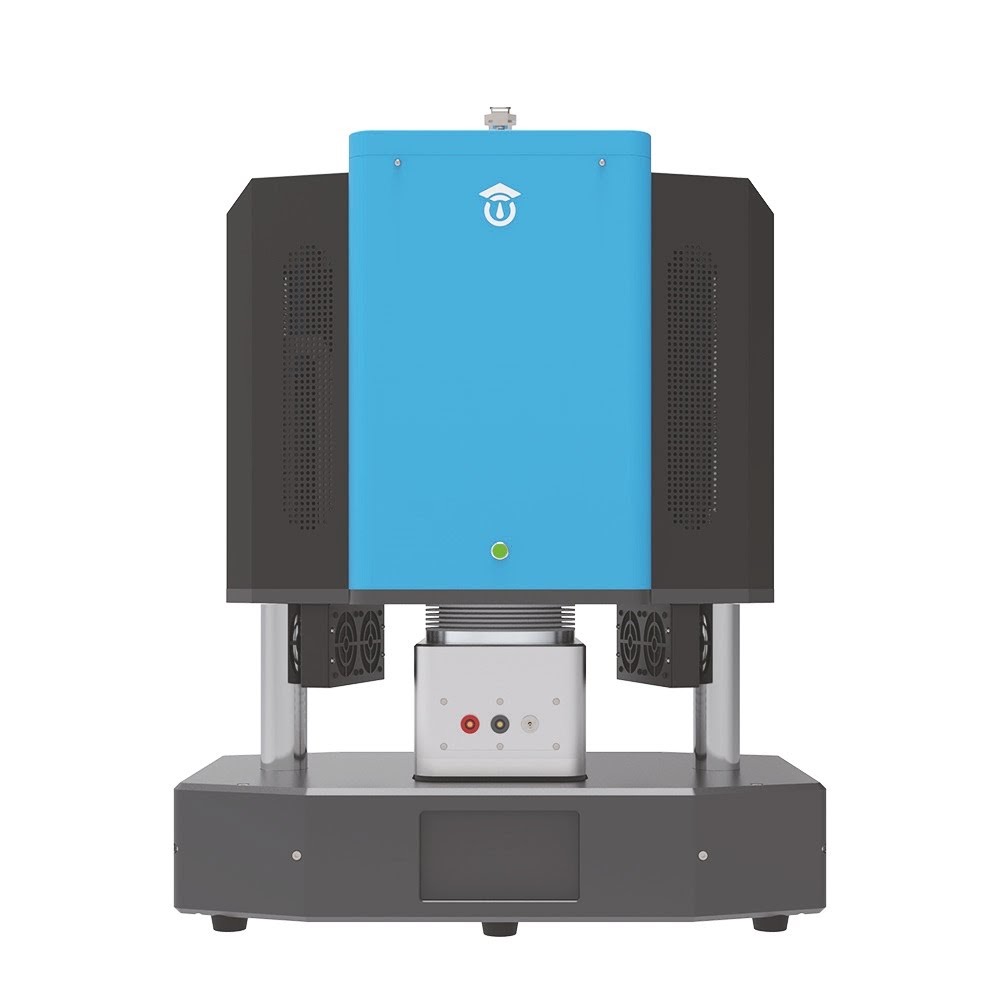
The HTS1000HR is an advanced, integrated testing platform specifically engineered to precisely evaluate the electrical conductivity and insulation properties of advanced materials at extreme temperatures up to 800℃. By supporting various atmospheric conditions and offering an ultra-wide resistance measurement range, it serves as an indispensable characterization tool for material research and industrial quality control.
View details →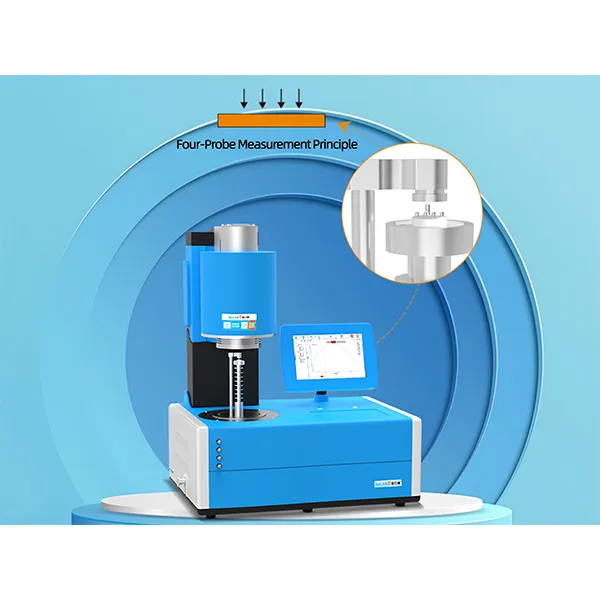
MatMeas RMS-1000P High-Temp Four-Point Probe Resistivity System
RMS-1000P uses four-point probe method for thin film and wafer resistivity measurement, featuring dual-electrostatic measurement, 0.1mΩ~100MΩ range, and specialized fixture for semiconductor materials.
View details →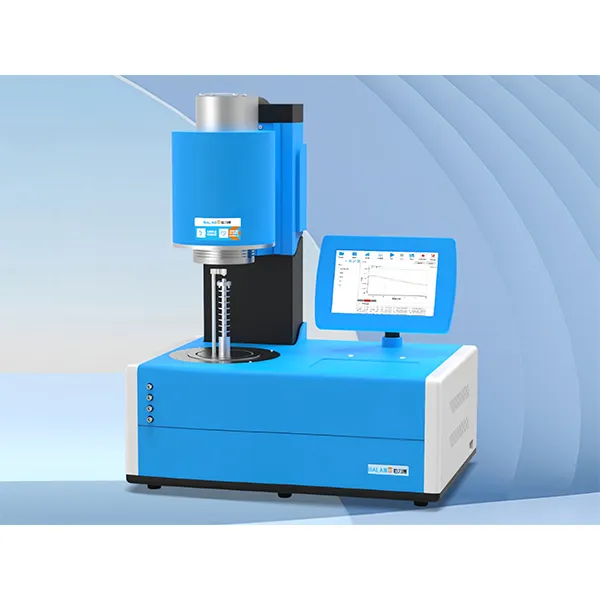
MatMeas RMS-1000S High-Temp Semiconductor Resistivity System
RMS-1000S is optimized for semiconductor bulk materials with four-wire method, offering 0.1mΩ~100MΩ measurement range, spring-loaded platinum electrodes, and multiple atmosphere environments for complex resistivity characterization.
View details →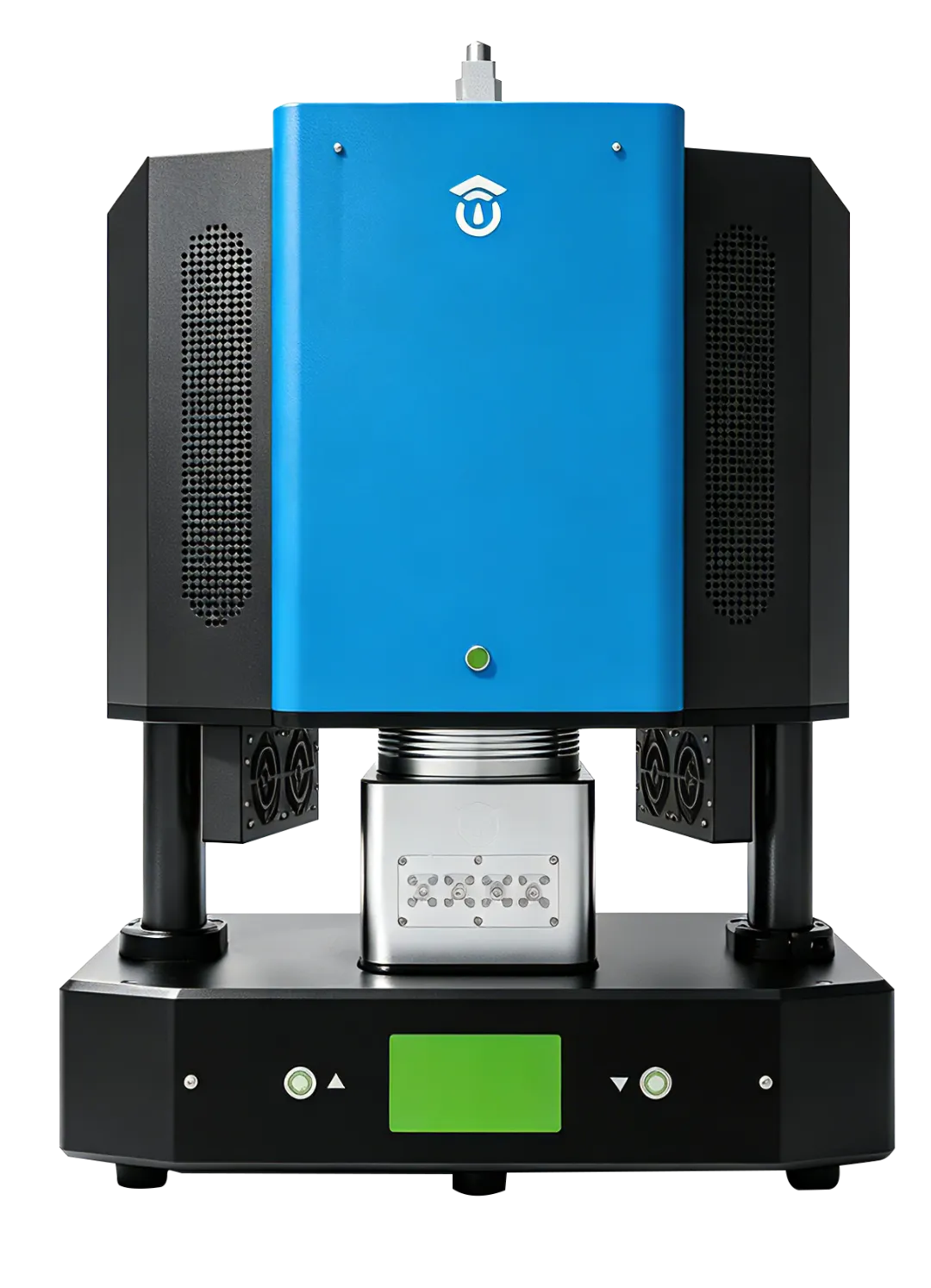
RMS1650 Ultra-High Temperature Resistivity Measurement System
The RMS1650 Ultra-High Temperature Resistivity Measurement System is engineered for the rigorous electrical characterization of insulating and dielectric materials up to 1600°C. Utilizing a proprietary guarded three-terminal electrode configuration, the system enables in-situ acquisition of resistivity and leakage current kinetics under extreme temperatures, vacuum, and controlled gas atmospheres.
View details →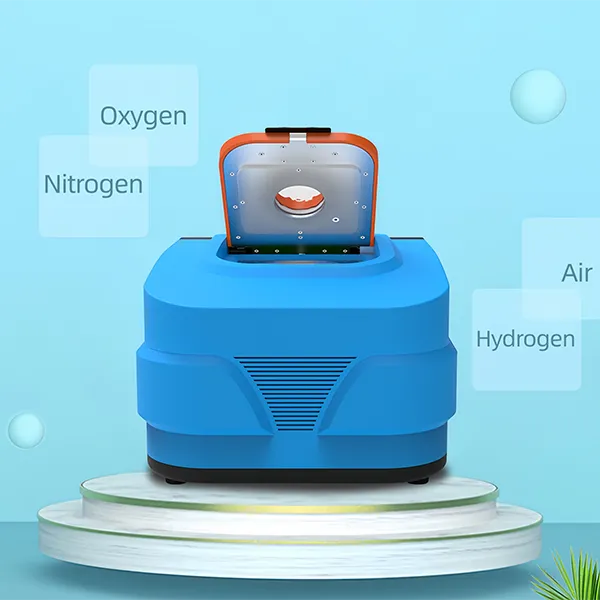
MatMeas SMS-215 High Temperature Gas Sensor Resistance and Resistivity Measurement System
High temperature gas sensor resistance and resistivity measurement system for precise electrical characterization of gas-sensitive materials.
View details →