Overview
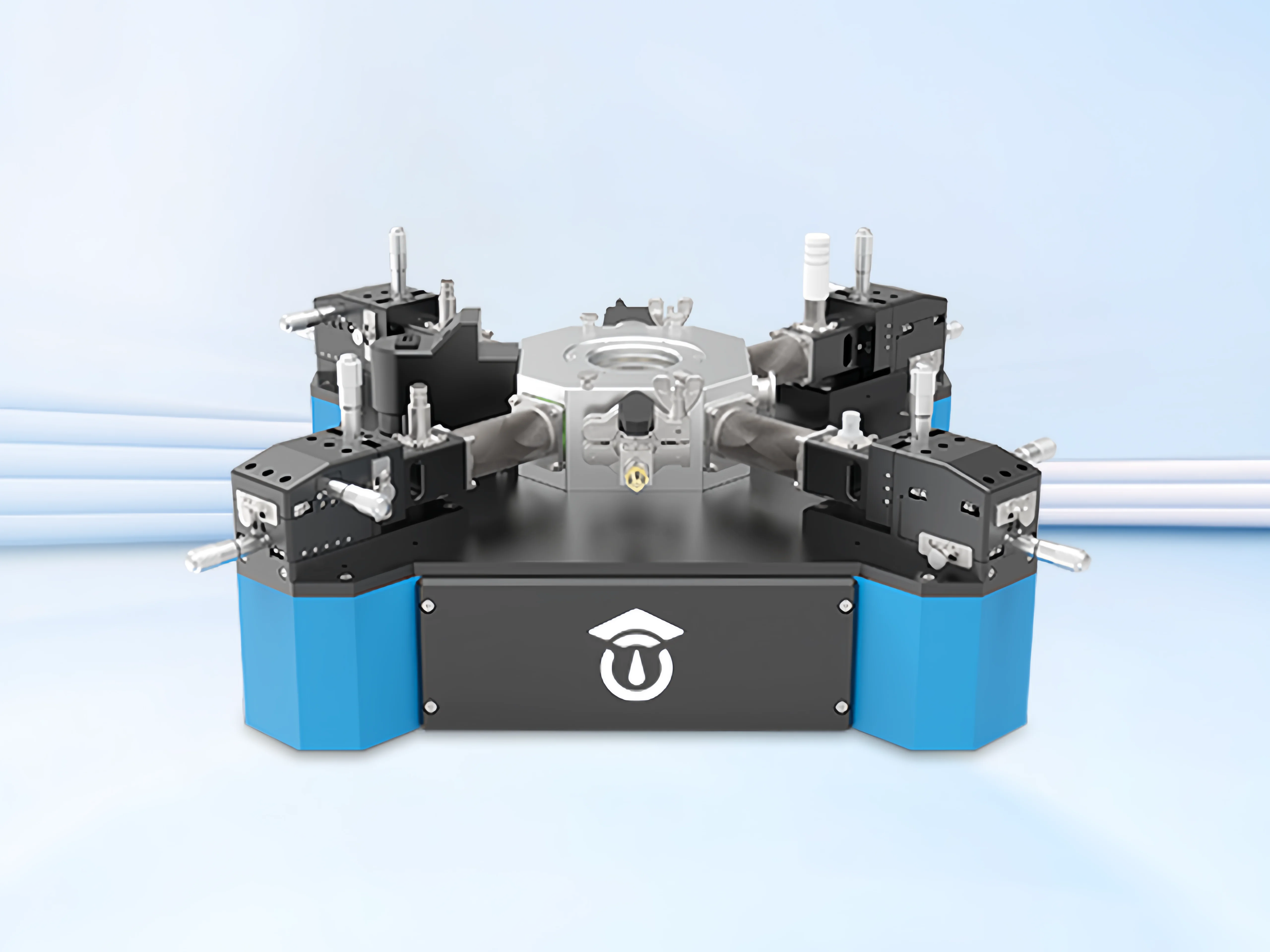
Matmeas CPS7000 High-Low Temperature Dielectric Vacuum Probe Station – a compact benchtop system designed for precise electrical measurements of bulk, thin film, and multilayer materials. The instrument supports a wide temperature range from -160℃ to 450℃ using liquid nitrogen cooling, with excellent temperature stability (±0.5℃) and programmable ramp rates. Equipped with four micro-manipulated probe arms, it enables accurate contacting for diverse tests including dielectric, ferroelectric, piezoelectric, pyroelectric, and TSDC measurements. The CPS7000 is an essential tool for universities, research institutes, aerospace, and high-reliability labs requiring reliable vacuum and variable-temperature probing.
Specifications
| Temperature Range | -160℃ to 450℃ (Liquid nitrogen refrigeration) |
| Temperature Control Accuracy | ±0.5℃ |
| Heating / Cooling Rate | 1~10℃/min (Typical value 3℃/min, program adjustable) |
| Number of Probe Arms | 4 (Semi-automatic operation) |
| Sample Size Capacity | φ < 40 mm, d < 5 mm |
| Optical Observation Window | φ55 mm quartz glass |
| Anti-Vibration Design | Built-in air shock mechanism |
| Supported Modules | Dielectric, Resistance, Pyroelectric, TSDC |
| Dimensions & Weight | 435 × 435 × 205 mm (L×W×H), 25 kg (Desktop design) |
| Power Supply | 220V ±10%, 50Hz |
| Warranty | 1 Year |
Applications
- Ferroelectric & Piezoelectric Materials
- Dielectric Thin Films
- Pyroelectric & TSDC Studies
- Optoelectronic Materials
- Semiconductor Devices
- Multiferroic & Memristor Research
FAQ
How does the CPS7000 compare to traditional cryogenic probe stations like Lake Shore or Janis?
The CPS7000 is designed to deliver measurement performance and thermal stability comparable to premium American brands such as Lake Shore and Janis. However, it achieves this within a highly integrated, compact desktop footprint (only 435×435×205mm). It saves valuable laboratory space while maintaining an exceptional ultra-wide temperature range from -160°C to 450°C.How does the system prevent mechanical vibration and ensure stable electrical contact during testing?
A major challenge in microscopic probe measurements is environmental vibration causing probe slippage. The CPS7000 is engineered with a proprietary built-in air shock isolation system that effectively dampens external shaking. This guarantees perfectly stable physical contact between the 4 semi-automatic probe arms and delicate samples, completely solving the issue of data jumping points during continuous heating tests.What types of advanced electrical characterizations can the CPS7000 perform?
The versatile CPS7000 platform supports a wide array of advanced measurements including dielectric, resistance, pyroelectric, and Thermally Stimulated Depolarization Current (TSDC). It perfectly meets the strict requirements for high-voltage and low-current testing, accommodating samples up to 40 mm in diameter through a 55 mm quartz optical observation window.
Related Products
Matmeas DMS1000 High-Temperature Dielectric Spectrometer
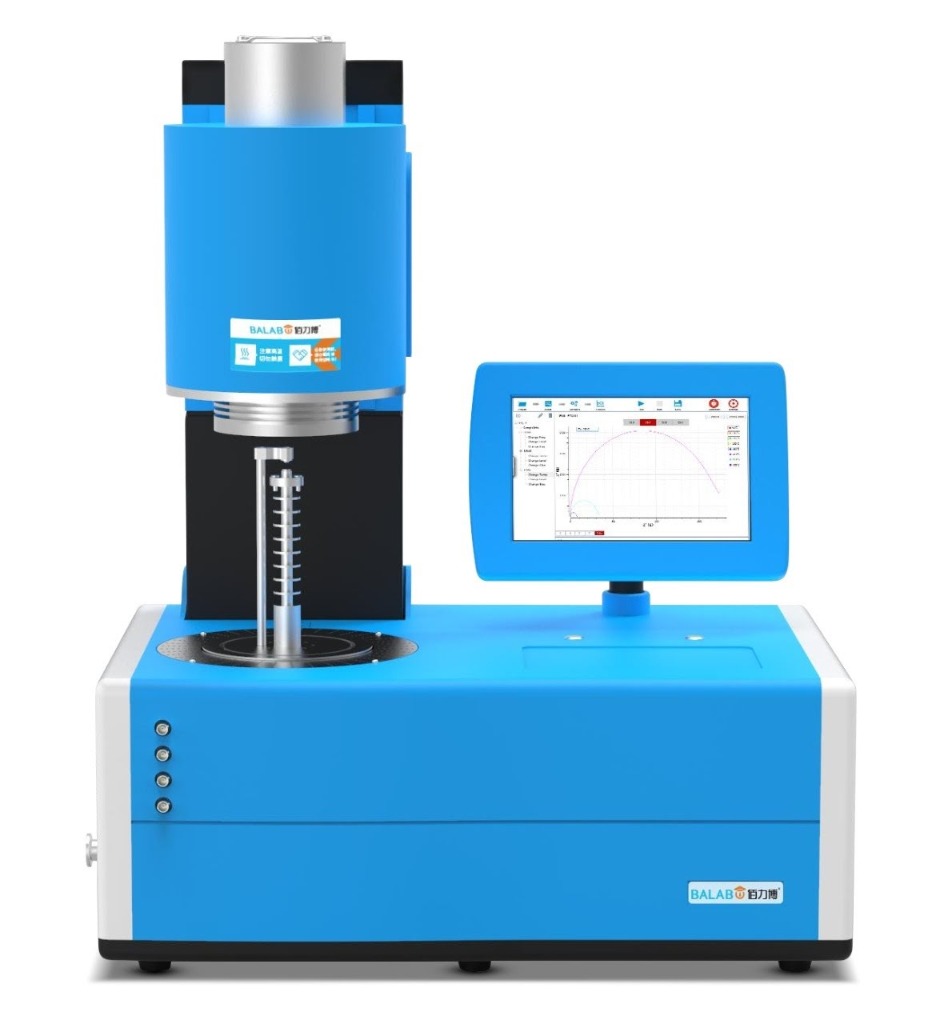
The Matmeas DMS1000 is an advanced High-Temperature Dielectric Impedance Temperature Spectrometer engineered for the ultimate electrical characterization of bulk materials. Delivering an exceptional measurement accuracy of 0.05%, it operates efficiently from Room Temperature (RT) to 1000°C. Its upgraded platform supports both single-sample and four-sample simultaneous measurements. Integrated with a sealable metal shielding system and high-purity platinum electrodes, the DMS1000 enables highly reliable testing across inert, oxidizing, reducing, and vacuum atmospheres, making it an indispensable infrastructure for precision materials science.
View details →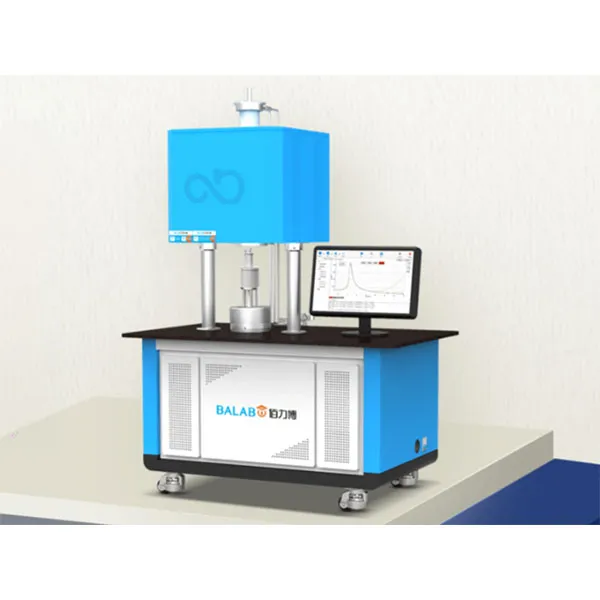
Matmeas DMS1650 Ultra-High Temperature Dielectric Impedance Spectrometer | Dielectric Property Analyzer up to 1600°C
The Matmeas DMS1650 Ultra-High Temperature Dielectric Impedance Spectrometer is designed for dielectric property characterization of materials under extreme temperatures. The system integrates a high-temperature furnace, measurement fixture, and analysis software, enabling precise dielectric constant, dielectric loss, and impedance spectroscopy measurements across a wide frequency range.
View details →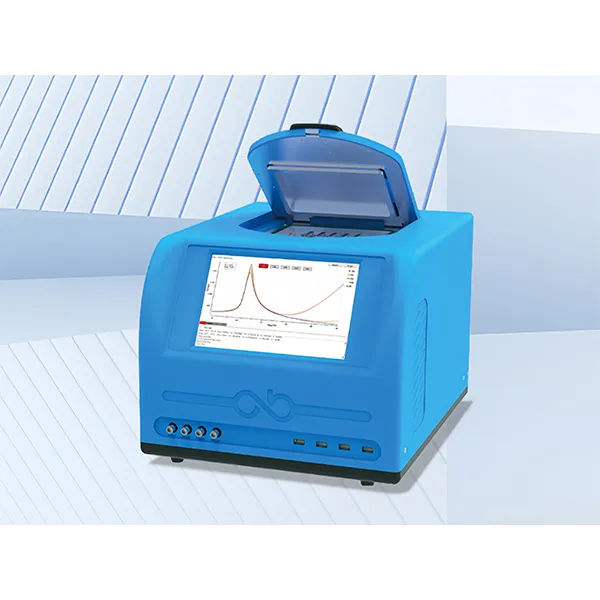
Matmeas DMS2000 High-Low Temperature Dielectric Spectrometer
The Matmeas DMS2000 is an advanced High and Low Temperature Dielectric Impedance Spectrometer engineered for evaluating the dielectric properties of materials under extreme thermal conditions. Compliant with the ASTM D150 standard, it integrates a proprietary LNP-95 liquid nitrogen injection system to achieve seamless continuous temperature variation from -160°C to 450°C. Uniquely featuring a vacuum-enabled sample chamber to completely prevent thermal frosting and eliminate false water peaks near 0°C, along with versatile options for single-sample or five-sample simultaneous testing, the DMS2000 ensures unparalleled data fidelity and high throughput for advanced scientific research.
View details →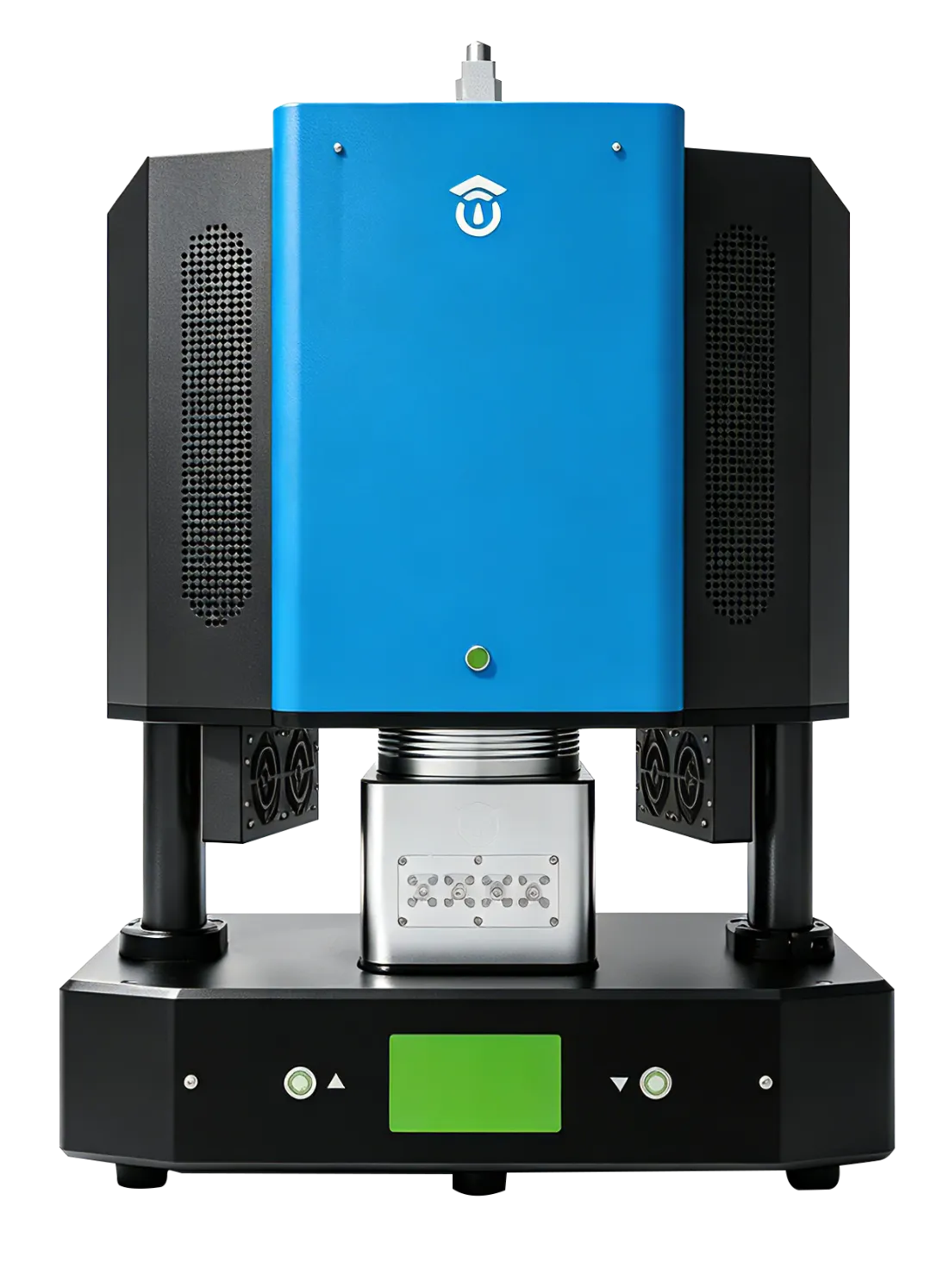
Matmeas DTS1000 High-Temperature Dielectric Impedance Spectrometer
Built on the proven DMS series platform, the Matmeas DTS1000 is a next-generation high-temperature dielectric impedance spectrometer engineered specifically for high-temperature mechanistic research on functional ceramics and advanced dielectric materials. Its modular architecture supports effortless plug-and-play switching between single-channel precision measurement and four-channel high-throughput screening. Across a wide temperature range from room temperature to 1000°C, the DTS1000 delivers fully automated, high-accuracy mapping of dielectric constant, dielectric loss, Curie temperature, and Cole-Cole/Nyquist spectra.
View details →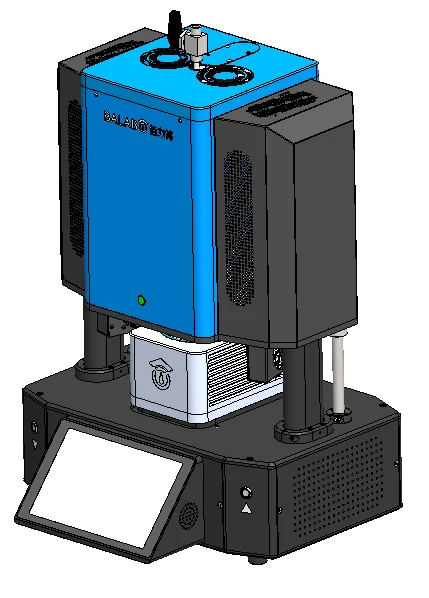
Matmeas DTS10001 High-Temperature Dielectric Testing System
The DTS10001 by Matmeas redefines high-temperature dielectric impedance spectroscopy. Designed for functional ceramics and advanced dielectric research, it features a modular plug-and-play architecture for quick switching between single-channel and 4-channel fixtures, a motorized furnace elevator, and a temperature range of RT-1000°C (long-term up to 850°C) with comprehensive atmosphere controls.
View details →