Overview
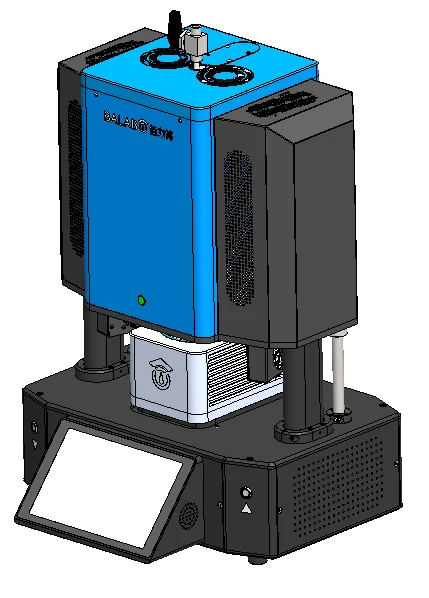
The Matmeas DTS10001 High-Temperature Dielectric Testing System is a next-generation instrument built on the advanced DMS platform, engineered specifically for probing the high-temperature mechanisms of functional ceramics and advanced dielectric materials. Combining extreme precision with modular versatility, it allows researchers to seamlessly transition from single-sample characterization to high-throughput screening of up to four bulk samples simultaneously using plug-and-play, hot-swappable measurement fixtures.
At the heart of the system is an innovative hemisphere-to-plate platinum electrode and spring-loaded contact mechanism. This design effectively compensates for alignment and assembly tolerances, preventing sample contact issues while its calibrated compressibility protects fragile ceramic specimens from cracking or crushing during thermal expansion. The furnace chamber features an imported, oxidation-resistant metallic liner that supports vacuum, inert, oxidizing, and reducing atmospheres. Operability is further refined with a one-key motorized elevator system for smooth and precise chamber positioning.
Specifications
| Measurement Channels | Single / Four channels optional |
| Measurement Temperature | RT to 1000°C (Long-term operation up to 850°C) |
| Temperature Control Accuracy | ±0.5°C |
| Heating Rate | 0 to 10°C/min (Typical: 3°C/min) |
| Heating Method | Resistance Wire Heating |
| Frequency Range | ≤10 MHz |
| Measurement Accuracy | 0.05% (Based on measurement instrument accuracy) |
| Measurement Environment | Air / Flowing Atmosphere / Vacuum optional |
| Sample Type | Bulk solids, sheets, or thin films with top/bottom electrodes |
| Recommended Sample Size | Φ = 8 to 12 mm, t = 1 to 2 mm |
| Electrode Material | Platinum |
| Dimensions | 480 × 320 × 830 mm (L × W × H) |
| Power Supply | 220 to 240 V / 50 Hz |
| Power | 1 kW |
| Operating Temperature | 10°C to 35°C |
| Operating Humidity | 45% to 65% |
| Weight | 50 kg |
| Warranty Period | 1 Year |
Applications
- Ceramic & Dielectric Materials
- Ferroelectric & Piezoelectric Research
- Polymer Science
- Material Impedance Spectroscopy
FAQ
How does the DTS10001 system ensure precise temperature acquisition?
The temperature sensor is positioned coplanar with the samples, ensuring accurate and direct temperature acquisition. Furthermore, the system undergoes factory calibration using standard barium titanate (BaTiO3) samples for reliable control.What is the advantage of the sealed metal shielding?
The built-in sealed metal shielding heating system drastically minimizes AC interference, which ensures enhanced measurement accuracy during sensitive dielectric impedance spectroscopy tests.How does the system protect delicate ceramic samples during high-temperature testing?
The DTS10001 utilizes a calibrated spring-loaded electrode mechanism paired with a hemisphere-to-plate platinum electrode structure. The optimized spring compliance ensures secure electrical contact while preventing mechanical crushing or fracture of fragile ceramic substrates and thin sheets during thermal cycling.Does it support testing multiple samples simultaneously?
Yes, the DTS10001 features a modular plug-and-play architecture. Researchers can quickly hot-swap between a single-channel precision fixture and a 4-channel high-throughput measurement platform to suit different testing requirements.What measurement atmospheres and environments are supported?
With its premium oxidation-resistant metallic furnace liner and dedicated vacuum/atmosphere ports, the system supports measurements under high vacuum, inert, oxidizing, and reducing gas environments.What is the function of the motorized elevator chamber?
The DTS10001 incorporates a one-key motorized lift system that automates the raising and lowering of the furnace chamber. This elevator design ensures highly reproducible, airtight chamber sealing and simplifies sample loading.
Related Products
CPS7000 High-Low Temperature Dielectric Vacuum Probe Station
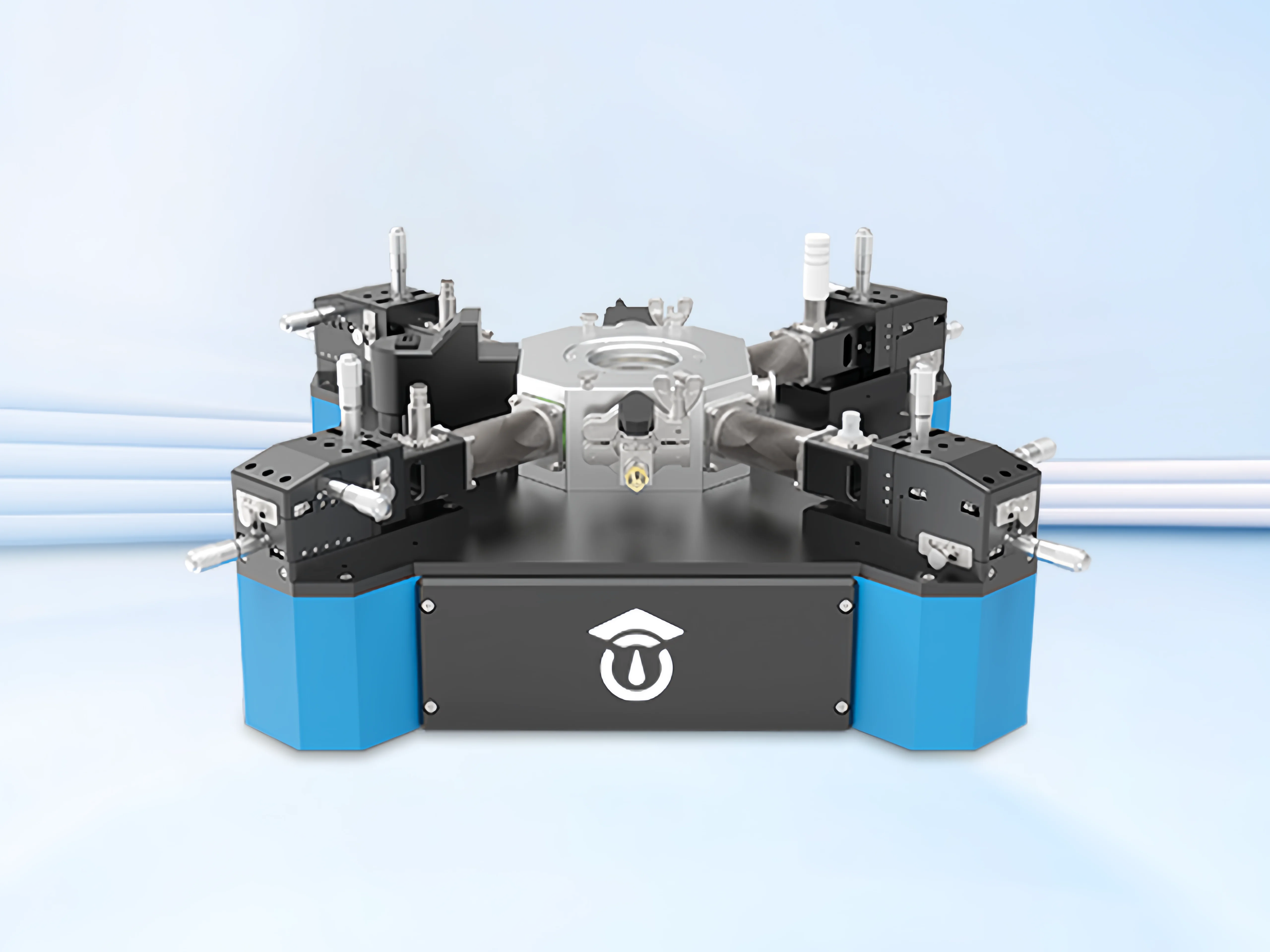
The Matmeas CPS7000 is an advanced, highly integrated desktop High-Low Temperature Dielectric Vacuum Probe Station engineered for the rigorous electrical characterization of thin films, bulk materials, and semiconductor wafers. Delivering performance directly comparable to industry-leading American brands like Lake Shore and Janis, this compact platform offers an ultra-wide temperature range from -160°C to 450°C via liquid nitrogen cooling. Uniquely equipped with a proprietary built-in air shock anti-vibration system, the CPS7000 eliminates data jumping points during continuous temperature variations. Supporting complex high-voltage and low-current testing environments, it is the ultimate infrastructure for evaluating dielectric, piezoelectric, ferroelectric, and TSDC properties in high-vacuum conditions.
View details →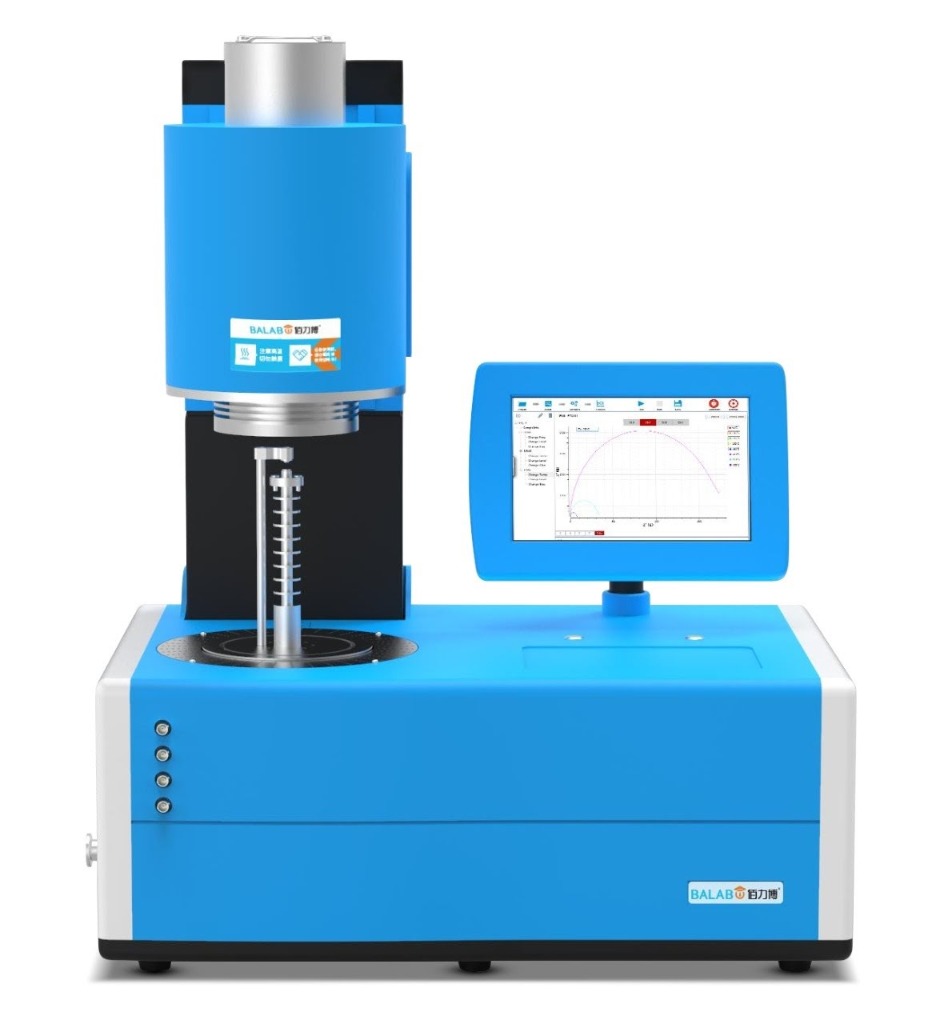
Matmeas DMS1000 High-Temperature Dielectric Spectrometer
The Matmeas DMS1000 is an advanced High-Temperature Dielectric Impedance Temperature Spectrometer engineered for the ultimate electrical characterization of bulk materials. Delivering an exceptional measurement accuracy of 0.05%, it operates efficiently from Room Temperature (RT) to 1000°C. Its upgraded platform supports both single-sample and four-sample simultaneous measurements. Integrated with a sealable metal shielding system and high-purity platinum electrodes, the DMS1000 enables highly reliable testing across inert, oxidizing, reducing, and vacuum atmospheres, making it an indispensable infrastructure for precision materials science.
View details →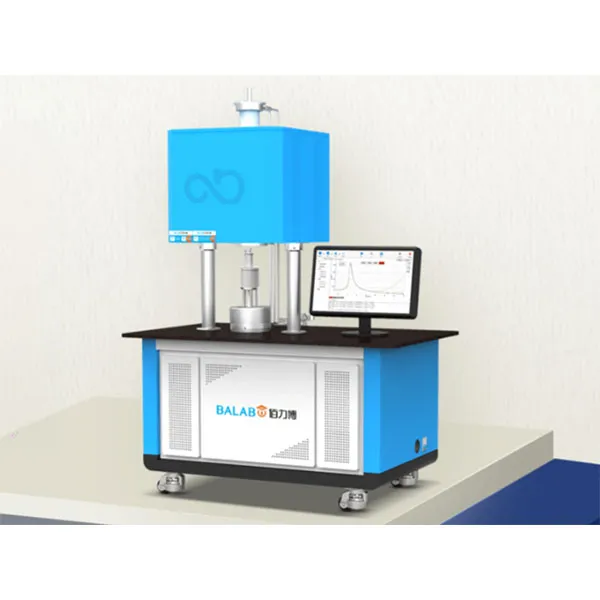
Matmeas DMS1650 Ultra-High Temperature Dielectric Impedance Spectrometer | Dielectric Property Analyzer up to 1600°C
The Matmeas DMS1650 Ultra-High Temperature Dielectric Impedance Spectrometer is designed for dielectric property characterization of materials under extreme temperatures. The system integrates a high-temperature furnace, measurement fixture, and analysis software, enabling precise dielectric constant, dielectric loss, and impedance spectroscopy measurements across a wide frequency range.
View details →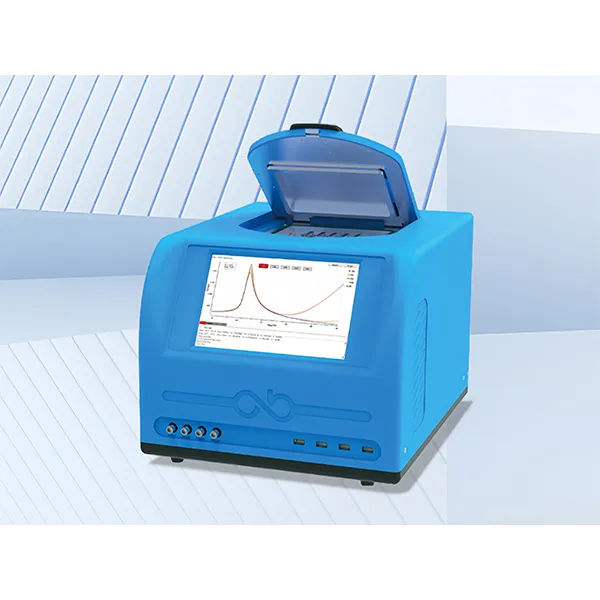
Matmeas DMS2000 High-Low Temperature Dielectric Spectrometer
The Matmeas DMS2000 is an advanced High and Low Temperature Dielectric Impedance Spectrometer engineered for evaluating the dielectric properties of materials under extreme thermal conditions. Compliant with the ASTM D150 standard, it integrates a proprietary LNP-95 liquid nitrogen injection system to achieve seamless continuous temperature variation from -160°C to 450°C. Uniquely featuring a vacuum-enabled sample chamber to completely prevent thermal frosting and eliminate false water peaks near 0°C, along with versatile options for single-sample or five-sample simultaneous testing, the DMS2000 ensures unparalleled data fidelity and high throughput for advanced scientific research.
View details →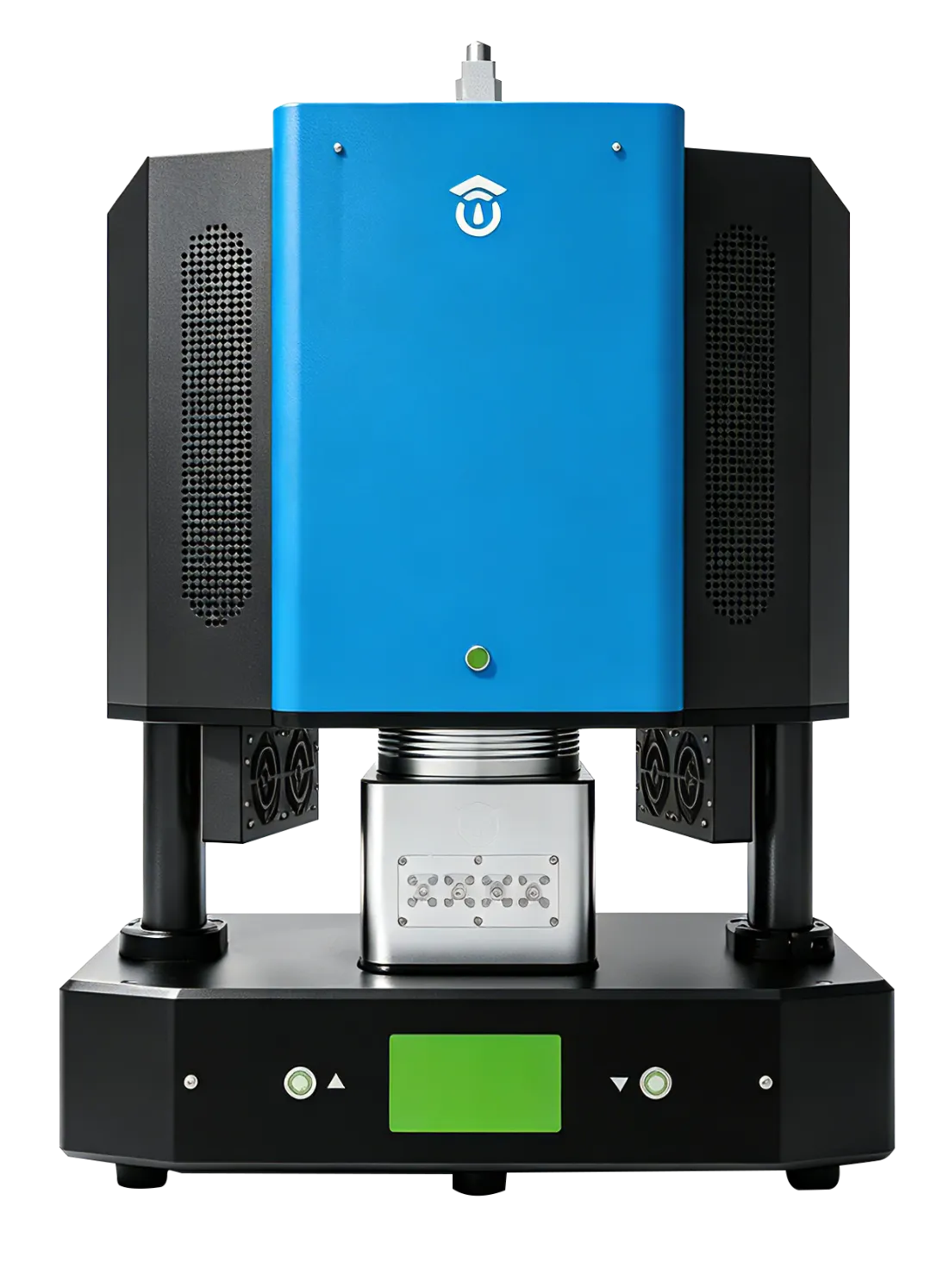
Matmeas DTS1000 High-Temperature Dielectric Impedance Spectrometer
Built on the proven DMS series platform, the Matmeas DTS1000 is a next-generation high-temperature dielectric impedance spectrometer engineered specifically for high-temperature mechanistic research on functional ceramics and advanced dielectric materials. Its modular architecture supports effortless plug-and-play switching between single-channel precision measurement and four-channel high-throughput screening. Across a wide temperature range from room temperature to 1000°C, the DTS1000 delivers fully automated, high-accuracy mapping of dielectric constant, dielectric loss, Curie temperature, and Cole-Cole/Nyquist spectra.
View details →