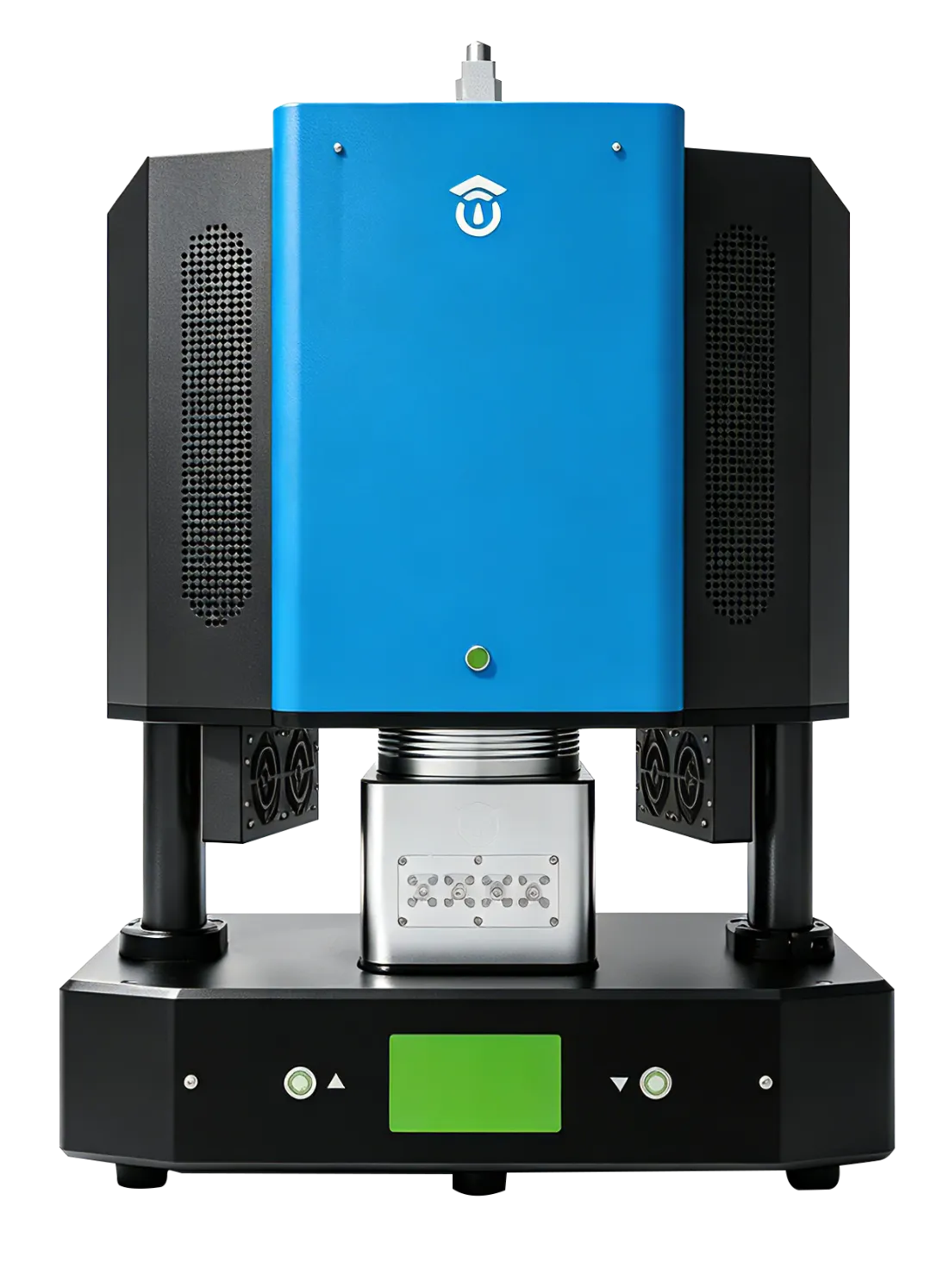
Overview
The Matmeas DTS1000 is a next-generation high-temperature dielectric impedance spectrometer built on the proven DMS series platform. Designed for demanding mechanistic research on functional ceramics and advanced dielectric materials, it combines exceptional precision with robust reliability.
The instrument features a modular architecture that supports single-channel (1CH) and four-channel (4CH) fixture configurations with true plug-and-play convenience, enabling researchers to transition seamlessly from high-precision single-sample characterization to high-throughput multi-sample screening without hardware reconfiguration.
Across a continuous temperature range from room temperature to 1000°C, the DTS1000 automatically and accurately measures dielectric constant, dielectric loss, Curie temperature, and generates Cole-Cole and Nyquist impedance diagrams. Its outstanding stability and accuracy make it the instrument of choice for frontier research in aerospace materials, semiconductor packaging, and next-generation energy storage materials.
Specifications
| Parameter | Specification |
| Measurement Channels | Single-channel / Four-channel (selectable) |
| Temperature Range | RT to 1000°C (continuous operation up to 850°C) |
| Heating Rate | 0–10°C/min (typical: 3°C/min) |
| Temperature Control Accuracy | ±0.5°C |
| Frequency Range | ≤10 MHz |
| Measurement Accuracy | 0.05% (subject to analyzer accuracy) |
| Measurement Environment | Air / Flowing gas / Vacuum (selectable) |
| Electrode Material | Platinum |
| Recommended Sample Size | Φ = 8–12 mm, t = 1–2 mm |
| Sample Types | Bulk pellets, thin wafers, thin-film samples with top/bottom electrodes |
| Power Supply | 220–240 V / 50 Hz |
| Power Consumption | 1 kW |
| Operating Temperature | 10–35°C |
| Operating Humidity | 45–65% RH |
| Dimensions (L × W × H) | 480 × 320 × 830 mm |
| Weight | 50 kg |
| Warranty | 1 Year |
Applications
- Dielectric & Ferroelectric Ceramics
Measurement of dielectric constant, dielectric loss, Curie temperature, and impedance Nyquist / Cole-Cole plots for functional ceramics, piezoelectric ceramics, and dielectric substrates. - Electronic & Semiconductor Materials
Characterization of capacitor dielectrics, insulating substrates, and semiconductor packaging materials at elevated temperatures. - Polymer Dielectrics
Temperature-resolved dielectric analysis of polymer films and polymer-ceramic composite materials. - Energy Storage Materials
Dielectric property investigation for next-generation energy storage ceramics and high-density capacitor materials. - Aerospace & Advanced Functional Materials
High-temperature electrical characterization of materials used in aerospace, space, and frontier research applications.
FAQ
How does the DTS1000 ensure temperature accuracy and eliminate electrical interference?
The DTS1000 uses a coplanar temperature sensor positioned directly at the sample surface, so every temperature reading reflects the actual sample temperature rather than the furnace environment. A sealed metal shielding enclosure surrounds the measurement cell, completely blocking AC field interference — the result is smoother curves with fewer noise artifacts compared to unshielded systems.How does the fixture design protect fragile ceramic samples?
The fixture uses a spring-loaded self-weight mechanism that applies controlled, repeatable contact force to the sample. This design keeps the platinum electrodes in firm contact throughout thermal cycling without cracking or chipping brittle ceramic discs. The contact pressure and temperature are both factory-calibrated against certified BaTiO3 reference samples before shipment.What measurement types does the DTS1000 support, and can it run multiple samples at once?
The DTS1000 supports dielectric constant, dielectric loss (tan δ), Curie temperature mapping, and complex impedance analysis including Cole-Cole and Nyquist plots — all generated automatically within a single temperature sweep. The modular fixture platform lets researchers switch between a single-channel configuration for high-precision work and a four-channel configuration for parallel screening of up to four samples, all without rewiring or system reconfiguration.What measurement atmospheres and sample types are supported?
The sealed furnace chamber accommodates air, flowing inert or reactive gas, and vacuum environments via a dedicated atmosphere interface. The system accepts bulk pellets, thin wafers, and thin-film samples with top and bottom electrode configurations — covering the sample geometries most commonly used in ceramics and dielectric materials research.
Related Products
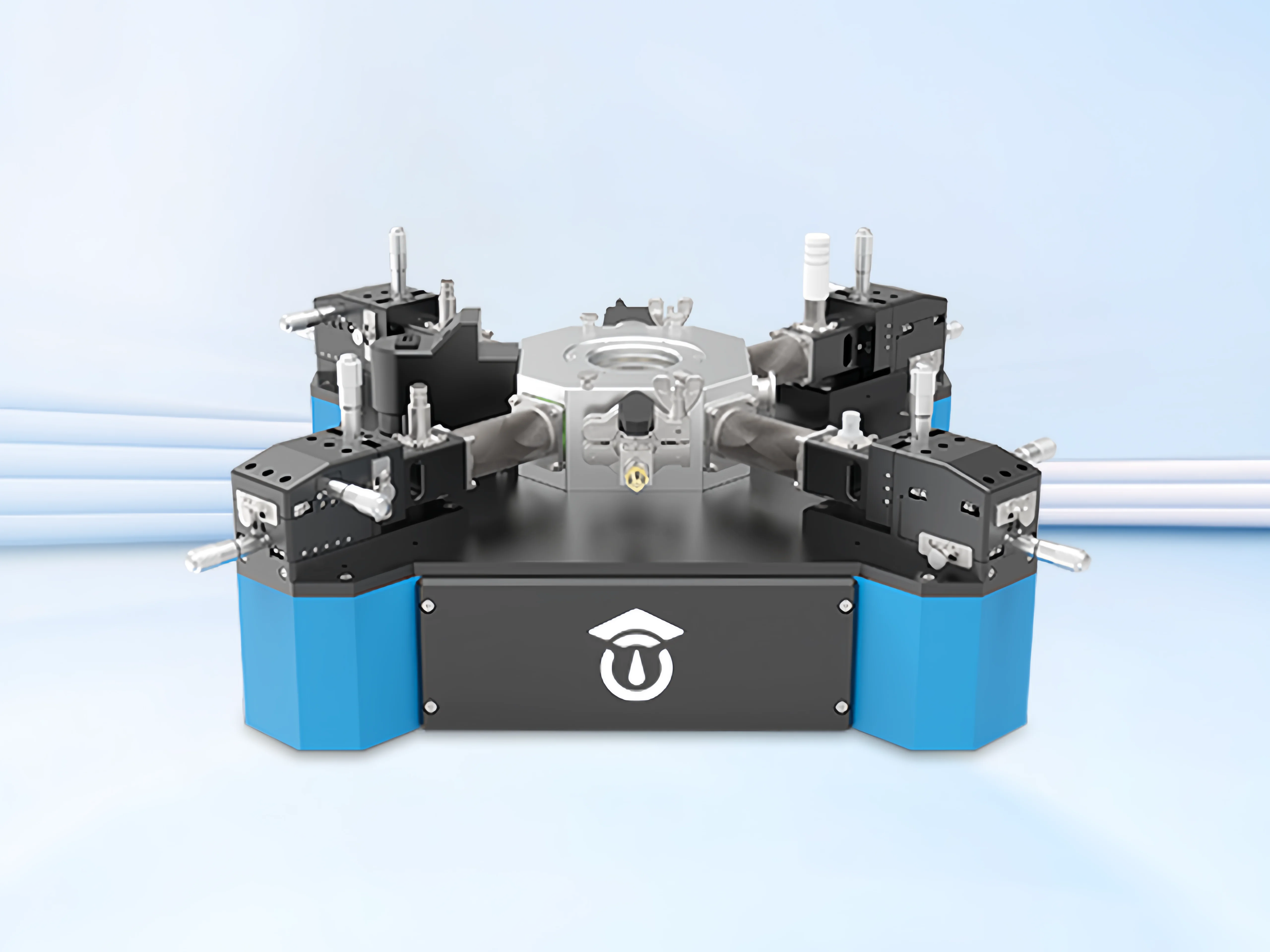
CPS7000 High-Low Temperature Dielectric Vacuum Probe Station
The Matmeas CPS7000 is an advanced, highly integrated desktop High-Low Temperature Dielectric Vacuum Probe Station engineered for the rigorous electrical characterization of thin films, bulk materials, and semiconductor wafers. Delivering performance directly comparable to industry-leading American brands like Lake Shore and Janis, this compact platform offers an ultra-wide temperature range from -160°C to 450°C via liquid nitrogen cooling. Uniquely equipped with a proprietary built-in air shock anti-vibration system, the CPS7000 eliminates data jumping points during continuous temperature variations. Supporting complex high-voltage and low-current testing environments, it is the ultimate infrastructure for evaluating dielectric, piezoelectric, ferroelectric, and TSDC properties in high-vacuum conditions.
View details →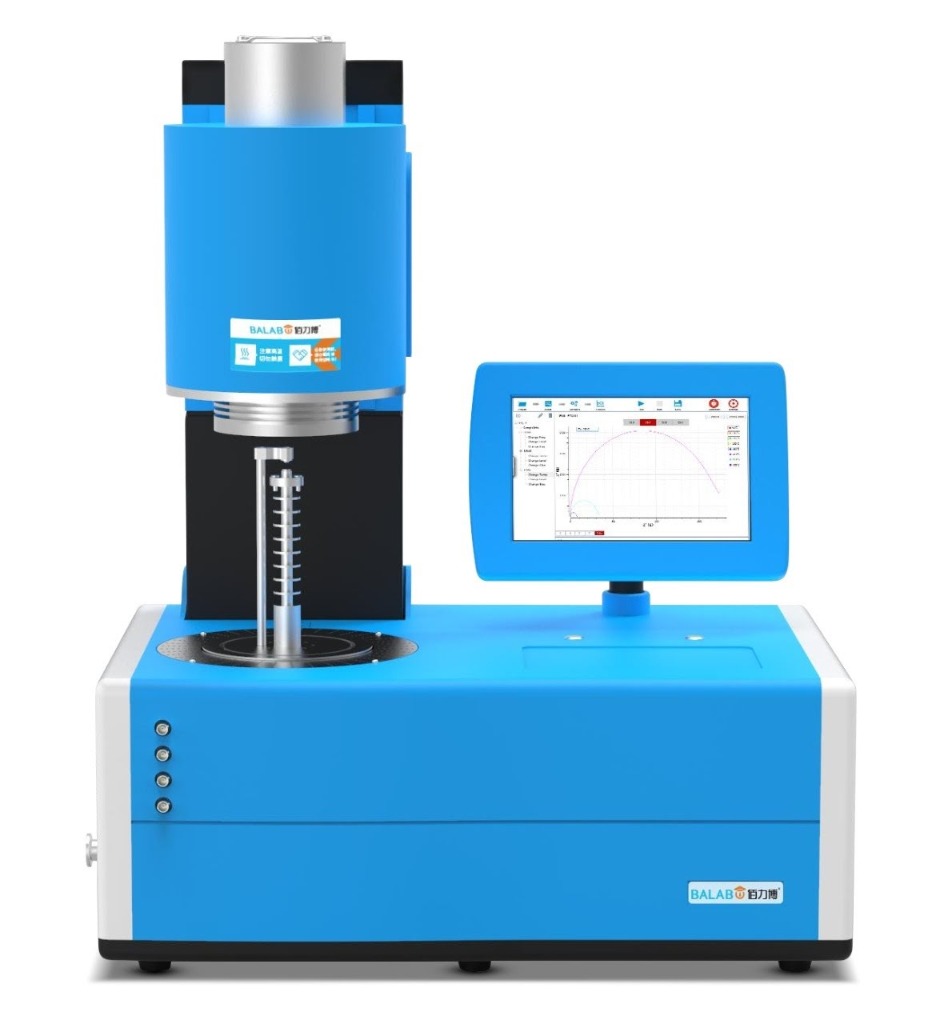
Matmeas DMS1000 High-Temperature Dielectric Spectrometer
The Matmeas DMS1000 is an advanced High-Temperature Dielectric Impedance Temperature Spectrometer engineered for the ultimate electrical characterization of bulk materials. Delivering an exceptional measurement accuracy of 0.05%, it operates efficiently from Room Temperature (RT) to 1000°C. Its upgraded platform supports both single-sample and four-sample simultaneous measurements. Integrated with a sealable metal shielding system and high-purity platinum electrodes, the DMS1000 enables highly reliable testing across inert, oxidizing, reducing, and vacuum atmospheres, making it an indispensable infrastructure for precision materials science.
View details →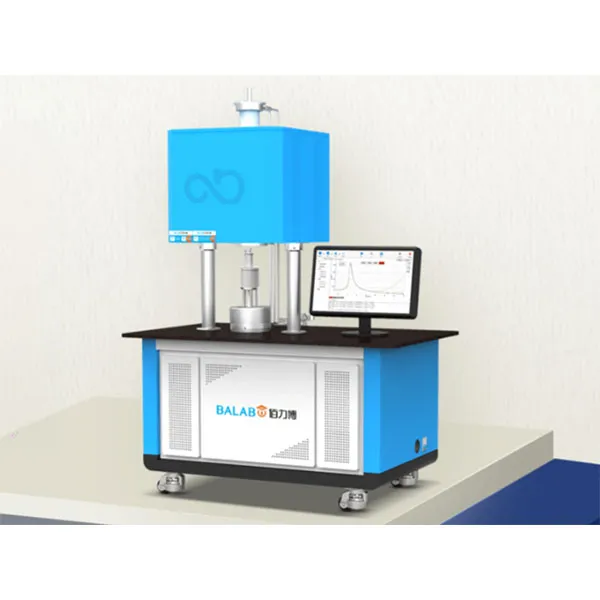
Matmeas DMS1650 Ultra-High Temperature Dielectric Impedance Spectrometer | Dielectric Property Analyzer up to 1600°C
The Matmeas DMS1650 Ultra-High Temperature Dielectric Impedance Spectrometer is designed for dielectric property characterization of materials under extreme temperatures. The system integrates a high-temperature furnace, measurement fixture, and analysis software, enabling precise dielectric constant, dielectric loss, and impedance spectroscopy measurements across a wide frequency range.
View details →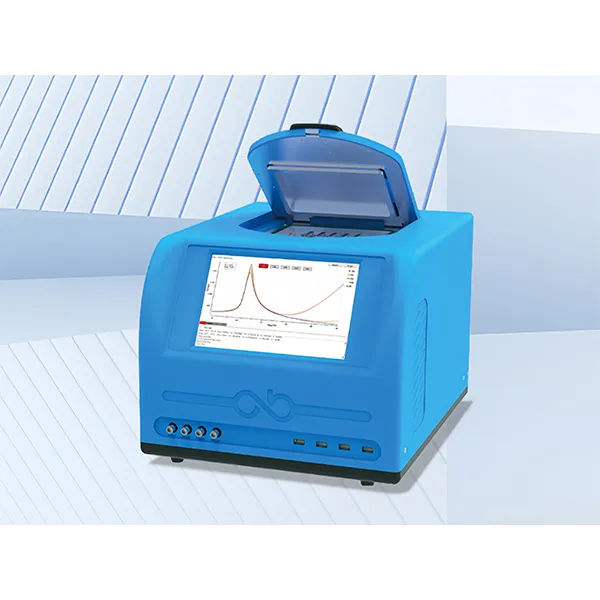
Matmeas DMS2000 High-Low Temperature Dielectric Spectrometer
The Matmeas DMS2000 is an advanced High and Low Temperature Dielectric Impedance Spectrometer engineered for evaluating the dielectric properties of materials under extreme thermal conditions. Compliant with the ASTM D150 standard, it integrates a proprietary LNP-95 liquid nitrogen injection system to achieve seamless continuous temperature variation from -160°C to 450°C. Uniquely featuring a vacuum-enabled sample chamber to completely prevent thermal frosting and eliminate false water peaks near 0°C, along with versatile options for single-sample or five-sample simultaneous testing, the DMS2000 ensures unparalleled data fidelity and high throughput for advanced scientific research.
View details →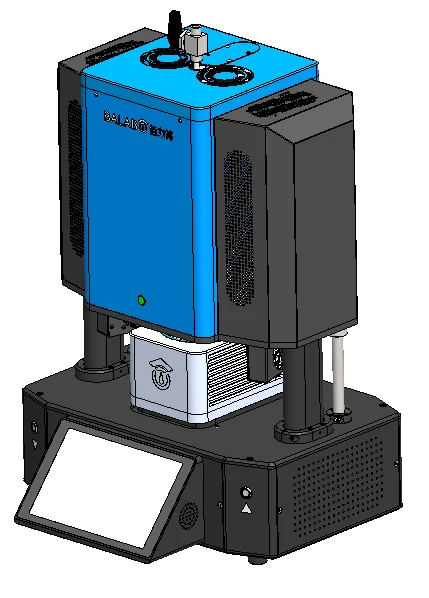
Matmeas DTS10001 High-Temperature Dielectric Testing System
The DTS10001 by Matmeas redefines high-temperature dielectric impedance spectroscopy. Designed for functional ceramics and advanced dielectric research, it features a modular plug-and-play architecture for quick switching between single-channel and 4-channel fixtures, a motorized furnace elevator, and a temperature range of RT-1000°C (long-term up to 850°C) with comprehensive atmosphere controls.
View details →