Ceramic Substrate Electrical Performance Testing
Technical News
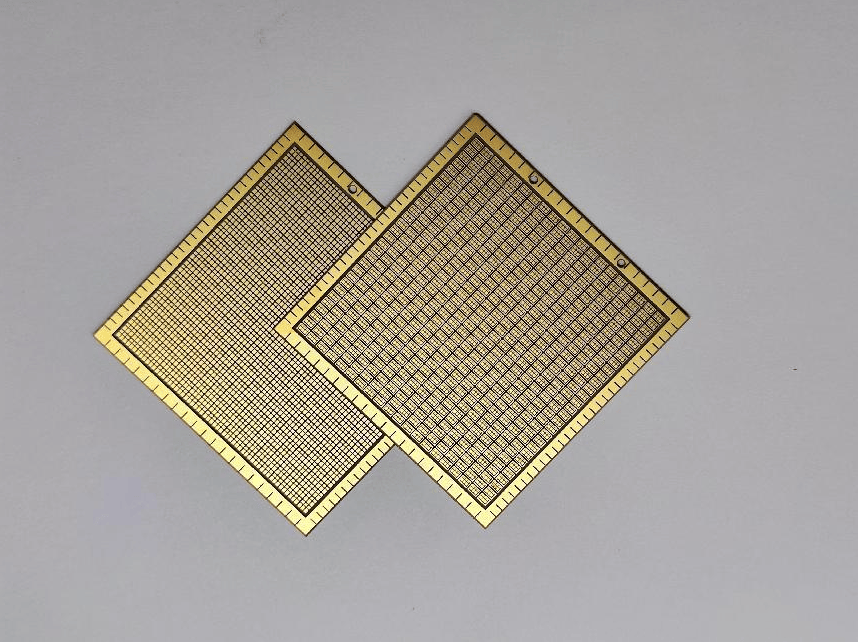
Ceramic substrates, including Alumina (Al2O3), Aluminum Nitride (AlN), and Silicon Nitride (Si3N4), are the backbone of modern high-power and high-frequency electronics. Combining excellent thermal conductivity with robust electrical insulation, these materials are indispensable for everything from 5G/6G base stations to automotive Silicon Carbide (SiC) power modules.
However, as electronic components become denser, hotter, and faster, the electrical performance constraints on the ceramic substrate become increasingly severe. Rigorous, multi-dimensional electrical testing is mandatory to ensure these substrates do not become the bottleneck in system reliability.
1. Dielectric Constant and Signal Integrity
For high-frequency communication modules (RF and microwave packaging), the ceramic substrate acts as the dielectric medium through which high-speed signals propagate.
- Relative Permittivity (Dielectric Constant): The dielectric constant directly affects the propagation delay of electromagnetic signals. A highly stable, predictable dielectric constant is required to maintain precise impedance matching across RF circuits. If the permittivity fluctuates due to impurities in the ceramic, the resulting impedance mismatch will cause signal reflection and severe data loss.
- Dielectric Loss Tangent (Dissipation Factor): At microwave frequencies, alternating electric fields cause the internal dipoles of the ceramic to rapidly oscillate. This friction generates heat. A low dielectric loss tangent is critical; excessive dielectric loss not only attenuates the high-frequency signal but also generates internal waste heat, exacerbating thermal management issues in dense electronics.
2. Impedance Temperature Spectroscopy
Ceramic substrates rarely operate at room temperature. In high-power IGBT or SiC MOSFET modules, the localized junction temperatures can easily exceed 175°C.
Engineers use Impedance Analyzers coupled with precision high-temperature test fixtures to plot Impedance-Temperature Spectra. By sweeping the temperature from room ambient up to 300°C or higher, they can monitor how the dielectric constant and AC impedance degrade.
At extreme temperatures, thermal activation gives rise to ionic mobility within the ceramic matrix, causing a sharp drop in impedance and a spike in leakage current. Identifying the exact temperature at which this dielectric breakdown initiates allows engineers to define safe operating limits for the power module.
3. High-Voltage Insulation and Breakdown Strength
In automotive EV traction inverters or high-voltage DC transmission systems, the ceramic substrate must isolate kilovolt-level potentials from the cooling heatsink.
- Volume and Surface Resistivity: Measured using highly sensitive electrometers and guard-ring electrodes, volume resistivity confirms the bulk insulating capability of the material (typically >10^12 ohm-cm).
- Dielectric Breakdown Voltage: To determine the ultimate safety margin, the ceramic is subjected to a steadily increasing high voltage (AC or DC) until the dielectric structure catastrophically fails. This breakdown strength (measured in kV/mm) ensures that the substrate can withstand voltage spikes, inductive kickback, and long-term electrical stress without catastrophic short-circuiting.
Conclusion
Comprehensive electrical performance testing—spanning high-frequency dielectric loss, high-temperature impedance stability, and ultimate breakdown strength—is what separates raw industrial ceramics from aerospace-grade electronic substrates. By rigorously characterizing these parameters, manufacturers guarantee the reliability of the next generation of high-power and high-speed electronics.
Related Instruments & Equipment
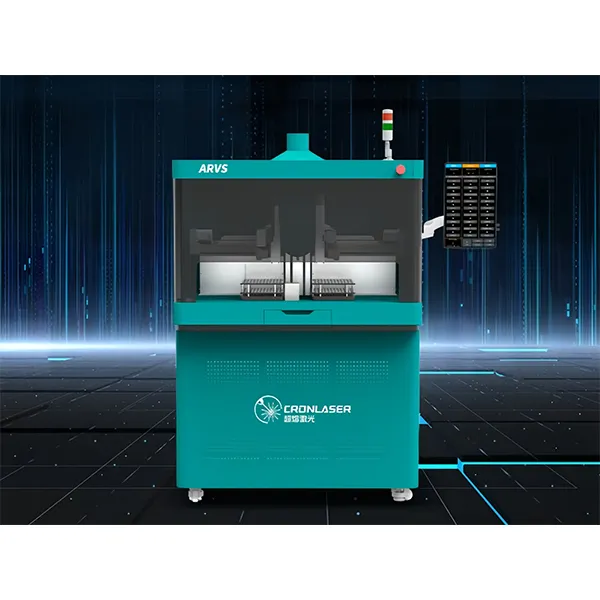
MatMeas ARVS Automated Quartz Ampoule Processing System
The MatMeas ARVS Series is an advanced automated vacuum tube sealing system designed for high-throughput laboratory and pilot-scale production applications. Developed to replace labor-intensive manual sealing processes, the ARVS integrates an automated robotic handling system with high-precision XYZ positioning (±0.05 mm) to automatically load, position, evacuate, backfill and seal up to 100 glass or quartz tubes per batch with excellent process consistency and minimal operator intervention.
View details →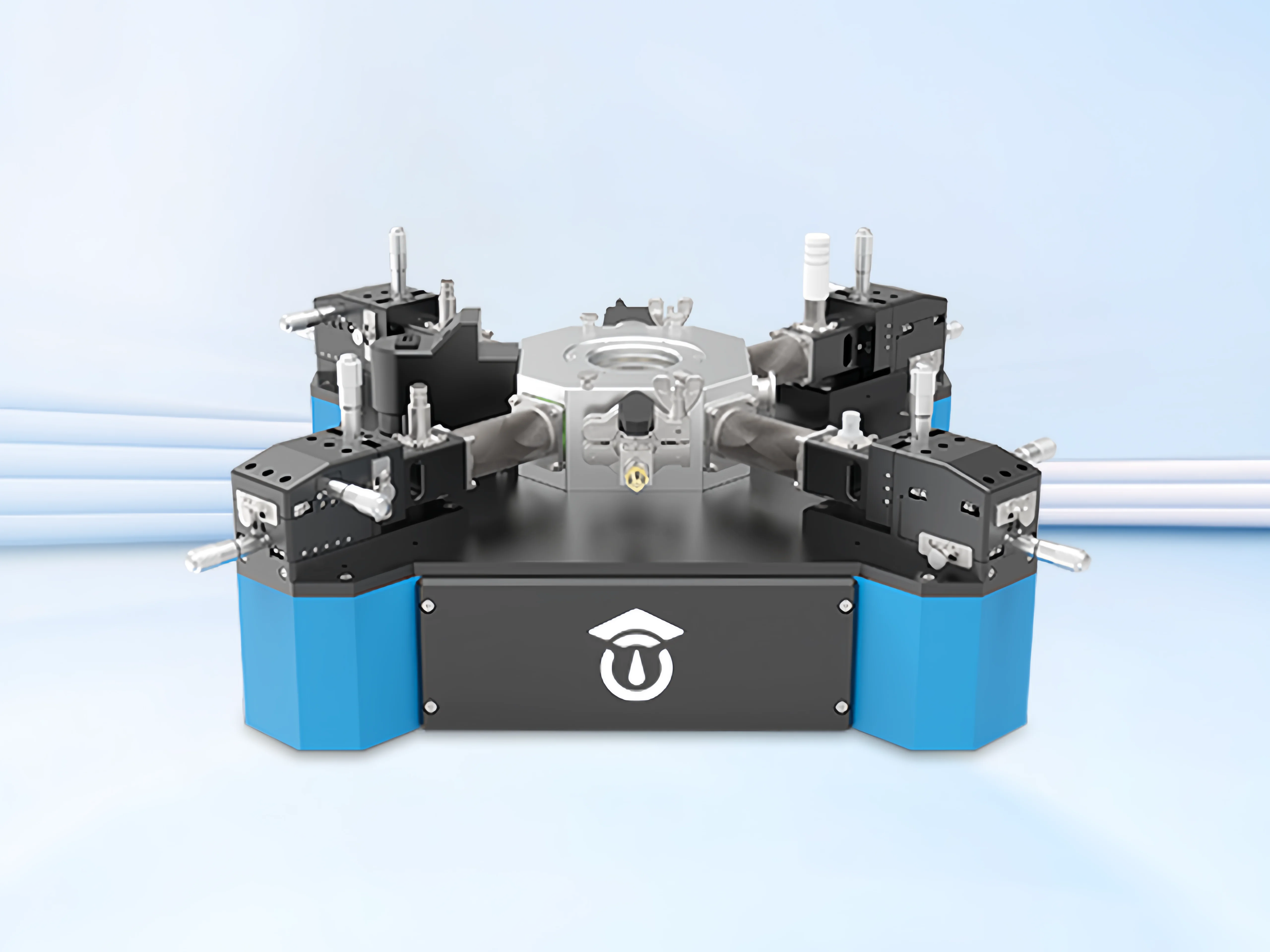
CPS7000 High-Low Temperature Dielectric Vacuum Probe Station
The MatMeas CPS7000 is an advanced, highly integrated desktop High-Low Temperature Dielectric Vacuum Probe Station engineered for the rigorous electrical characterization of thin films, bulk materials, and semiconductor wafers. Delivering performance directly comparable to industry-leading American brands like Lake Shore and Janis, this compact platform offers an ultra-wide temperature range from -160°C to 450°C via liquid nitrogen cooling. Uniquely equipped with a proprietary built-in air shock anti-vibration system, the CPS7000 eliminates data jumping points during continuous temperature variations. Supporting complex high-voltage and low-current testing environments, it is the ultimate infrastructure for evaluating dielectric, piezoelectric, ferroelectric, and TSDC properties in high-vacuum conditions.
View details →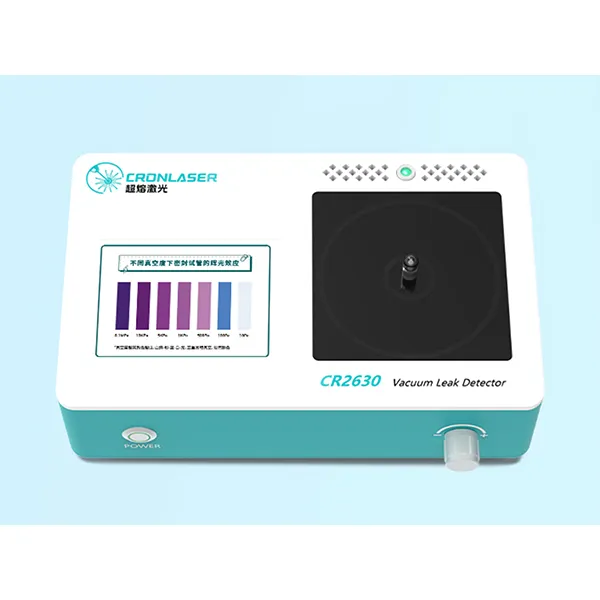
MatMeas CR2630 High Vacuum Leak Detector Portable Glow Discharge Tester for Glass Tube Sealing
MatMeas CR2630 High Frequency Spark Vacuum Leak Detector utilizes the glow discharge principle to quickly assess the vacuum pressure inside sealed glass tubes by observing fluorescence color, referencing a vacuum spectrum standard for instant and convenient leak detection.
View details →Request High-Precision Testing Solutions
Get expert guidance and customized instruments for your functional materials project.