TSDS3000 Thermally Stimulated Current Tester
Technical News
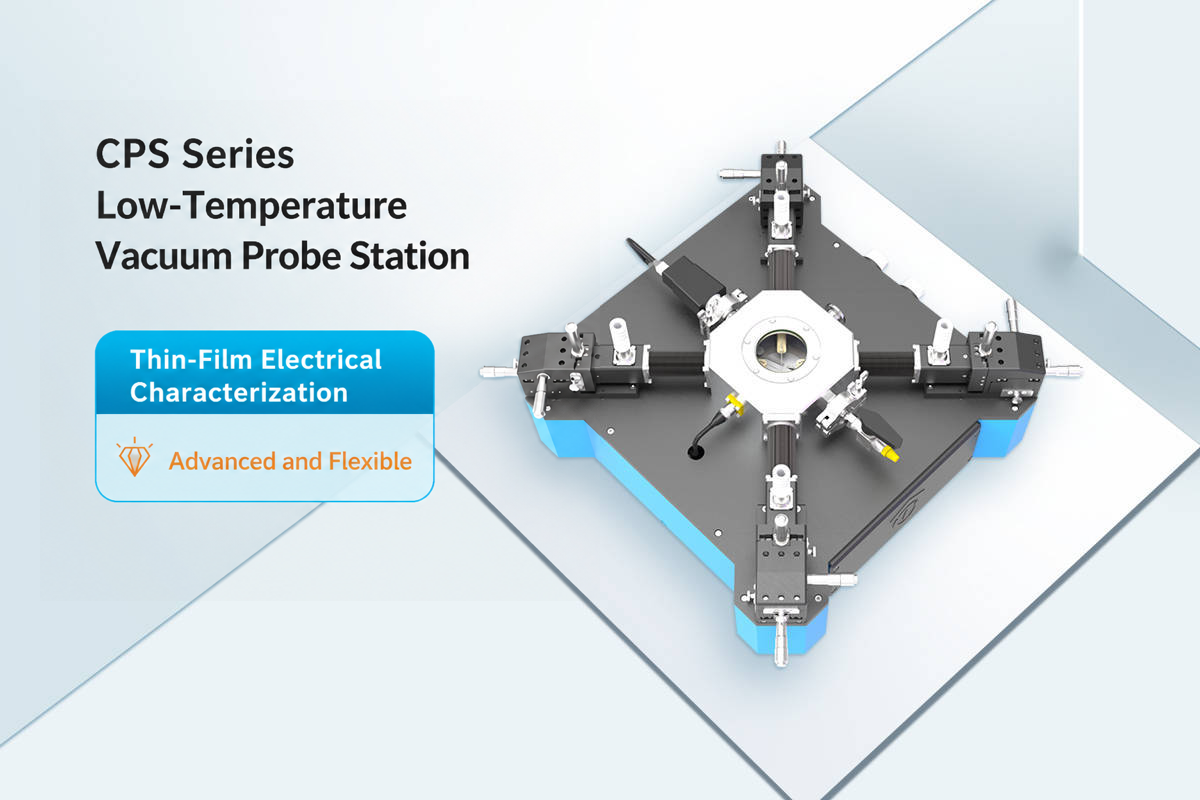
In the advanced realm of materials science, characterizing the microscopic electrical properties of functional materials—such as flexible polymer films, wide-bandgap semiconductors, and dense bulk ceramics—is a formidable challenge. Extracting meaningful data about deep defect traps and polarization mechanisms requires equipment capable of resolving ultra-low currents while precisely controlling thermal environments.
The TSDS3000 Thermally Stimulated Current Tester is specifically engineered to bridge this gap. By integrating dual capabilities—Thermally Stimulated Depolarization Current (TSDC) and Joint Electron (JE) leakage current testing—it has become a foundational instrument for research laboratories investigating next-generation electronic materials.
Unlocking Defect Trap States with TSDC
Standard broadband dielectric spectroscopy measures a material's real-time AC response at a constant temperature. While highly useful, it often struggles to isolate slow relaxation processes and deep defect energy levels.
The TSDS3000 leverages Thermally Stimulated Depolarization Current (TSDC), a time-domain DC technique that effectively freezes the material's internal polarization state.
- Polarization: The sample is subjected to a high-voltage DC field at an elevated temperature, aligning internal dipoles and driving charge carriers into defect traps.
- Quenching: The sample is rapidly cooled (often to cryogenic temperatures), "freezing" the dipoles and trapped charges in place.
- Thermal Ramping: The external field is removed, and the TSDS3000 heats the sample at a rigorously controlled, uniform rate.
As the temperature rises, the thermal energy releases the trapped charges and allows the dipoles to relax back to random orientations. This release generates a microscopic, short-circuit depolarization current (often in the picoampere or femtoampere range). By capturing this transient current profile, the TSDS3000 maps the material's activation energy and deep trap defect distribution—a critical metric for optimizing energy storage polymers and semiconductor reliability.
High-Precision Leakage Current Profiling
Beyond TSDC, the TSDS3000 excels in profiling fundamental leakage current behaviors. In modern electronics, excessive leakage current is the primary culprit behind battery drain in mobile devices, premature memory degradation in FeRAM, and catastrophic thermal runaway in power electronics.
The system precisely monitors current-voltage (I-V) responses across various temperature gradients. This allows researchers to identify the specific conduction mechanisms governing the material—such as Schottky emission, Poole-Frenkel emission, or Fowler-Nordheim tunneling. Understanding these mechanisms is vital for formulating robust dielectric formulations and optimizing deposition processes for ultra-thin films.
Versatility Across Material Morphologies
One of the greatest challenges in materials testing is adapting to diverse sample formats. A rigid bulk ceramic requires a vastly different contact paradigm than a delicate, flexible polymer film.
The TSDS3000 addresses this through specialized, interchangeable fixturing. It provides secure, low-noise electrical contact for:
- Flexible Thin Films: Ensuring uniform field distribution without puncturing delicate polymer or 2D material substrates.
- Dense Bulk Ceramics: Handling thicker samples and accommodating higher coercive fields necessary for poling rigid ferroelectrics.
- Semiconductor Composites: Evaluating hybrid materials for advanced sensor and actuator applications.
Conclusion
For research institutions and corporate R&D departments pushing the boundaries of functional materials, standard multimeters are no longer sufficient. The TSDS3000 Thermally Stimulated Current Tester provides the extreme current resolution and thermal precision necessary to decode the complex polarization dynamics and defect structures hidden within advanced ceramics and flexible films.
Related Instruments & Equipment
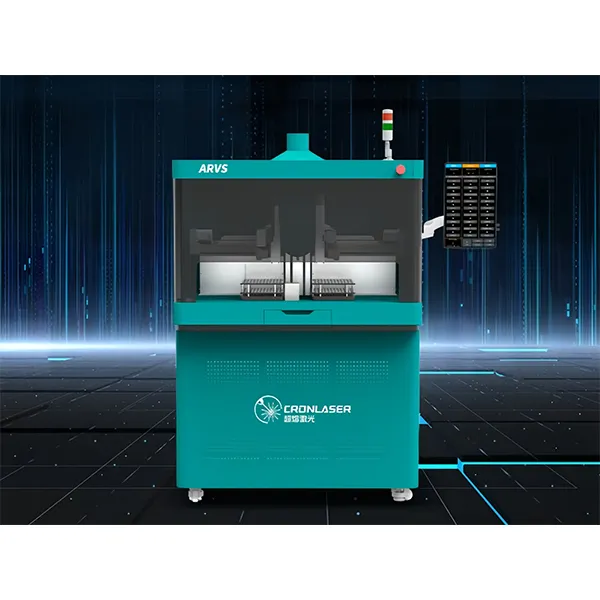
MatMeas ARVS Automated Quartz Ampoule Processing System
The MatMeas ARVS Series is an advanced automated vacuum tube sealing system designed for high-throughput laboratory and pilot-scale production applications. Developed to replace labor-intensive manual sealing processes, the ARVS integrates an automated robotic handling system with high-precision XYZ positioning (±0.05 mm) to automatically load, position, evacuate, backfill and seal up to 100 glass or quartz tubes per batch with excellent process consistency and minimal operator intervention.
View details →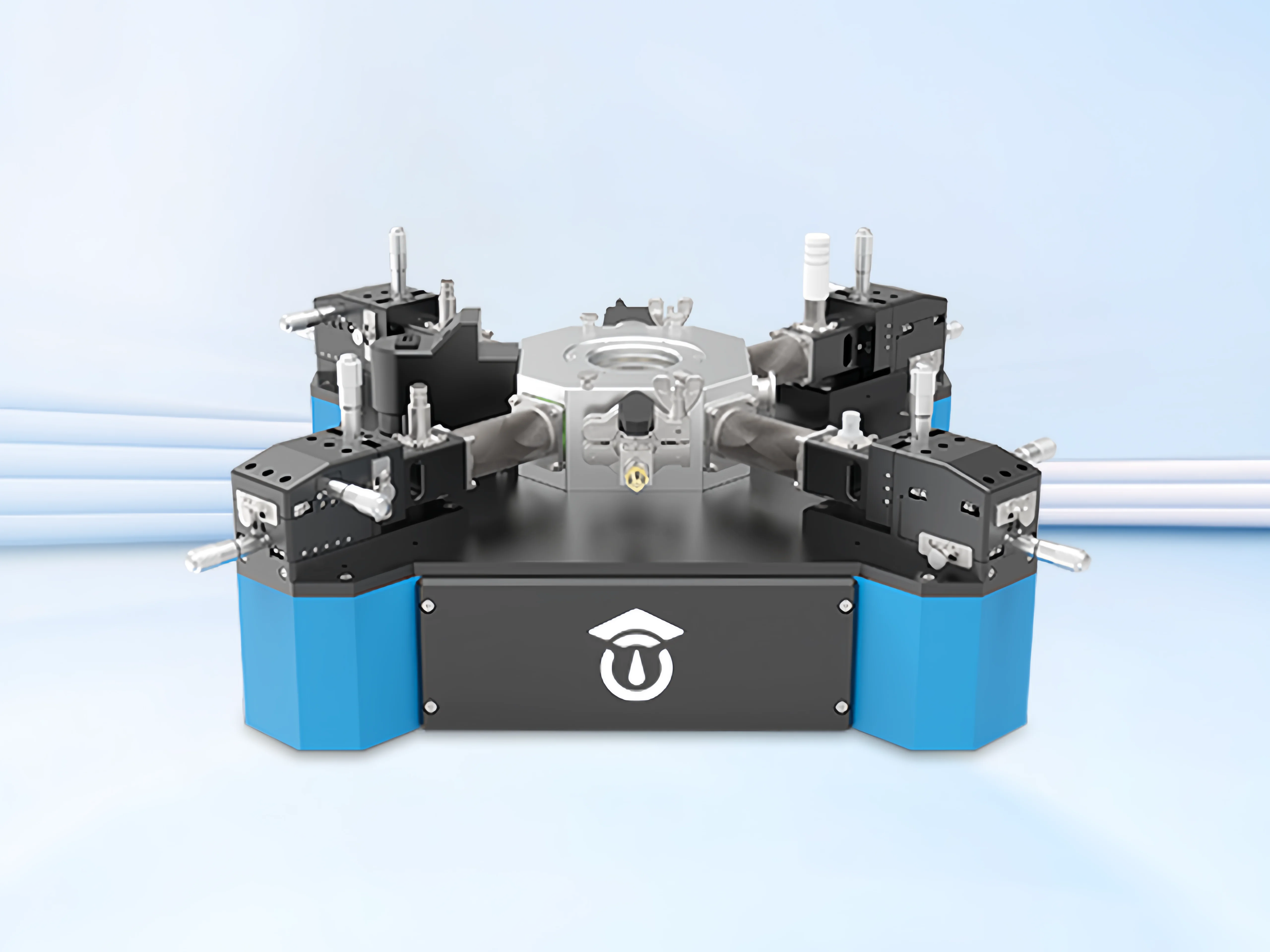
CPS7000 High-Low Temperature Dielectric Vacuum Probe Station
The MatMeas CPS7000 is an advanced, highly integrated desktop High-Low Temperature Dielectric Vacuum Probe Station engineered for the rigorous electrical characterization of thin films, bulk materials, and semiconductor wafers. Delivering performance directly comparable to industry-leading American brands like Lake Shore and Janis, this compact platform offers an ultra-wide temperature range from -160°C to 450°C via liquid nitrogen cooling. Uniquely equipped with a proprietary built-in air shock anti-vibration system, the CPS7000 eliminates data jumping points during continuous temperature variations. Supporting complex high-voltage and low-current testing environments, it is the ultimate infrastructure for evaluating dielectric, piezoelectric, ferroelectric, and TSDC properties in high-vacuum conditions.
View details →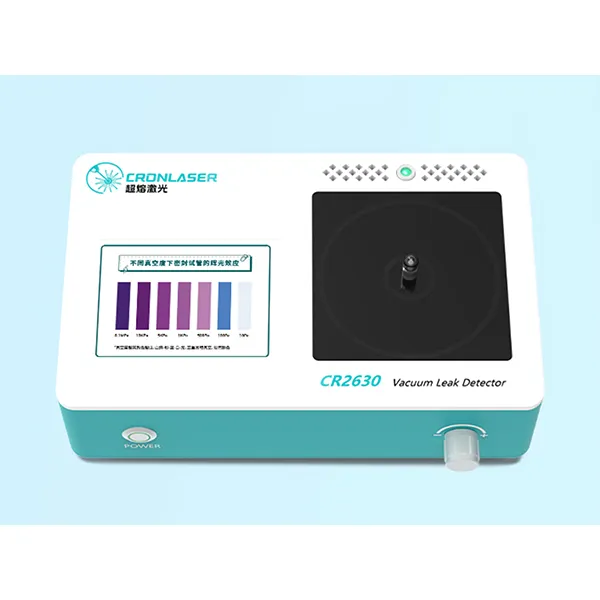
MatMeas CR2630 High Vacuum Leak Detector Portable Glow Discharge Tester for Glass Tube Sealing
MatMeas CR2630 High Frequency Spark Vacuum Leak Detector utilizes the glow discharge principle to quickly assess the vacuum pressure inside sealed glass tubes by observing fluorescence color, referencing a vacuum spectrum standard for instant and convenient leak detection.
View details →Request High-Precision Testing Solutions
Get expert guidance and customized instruments for your functional materials project.